




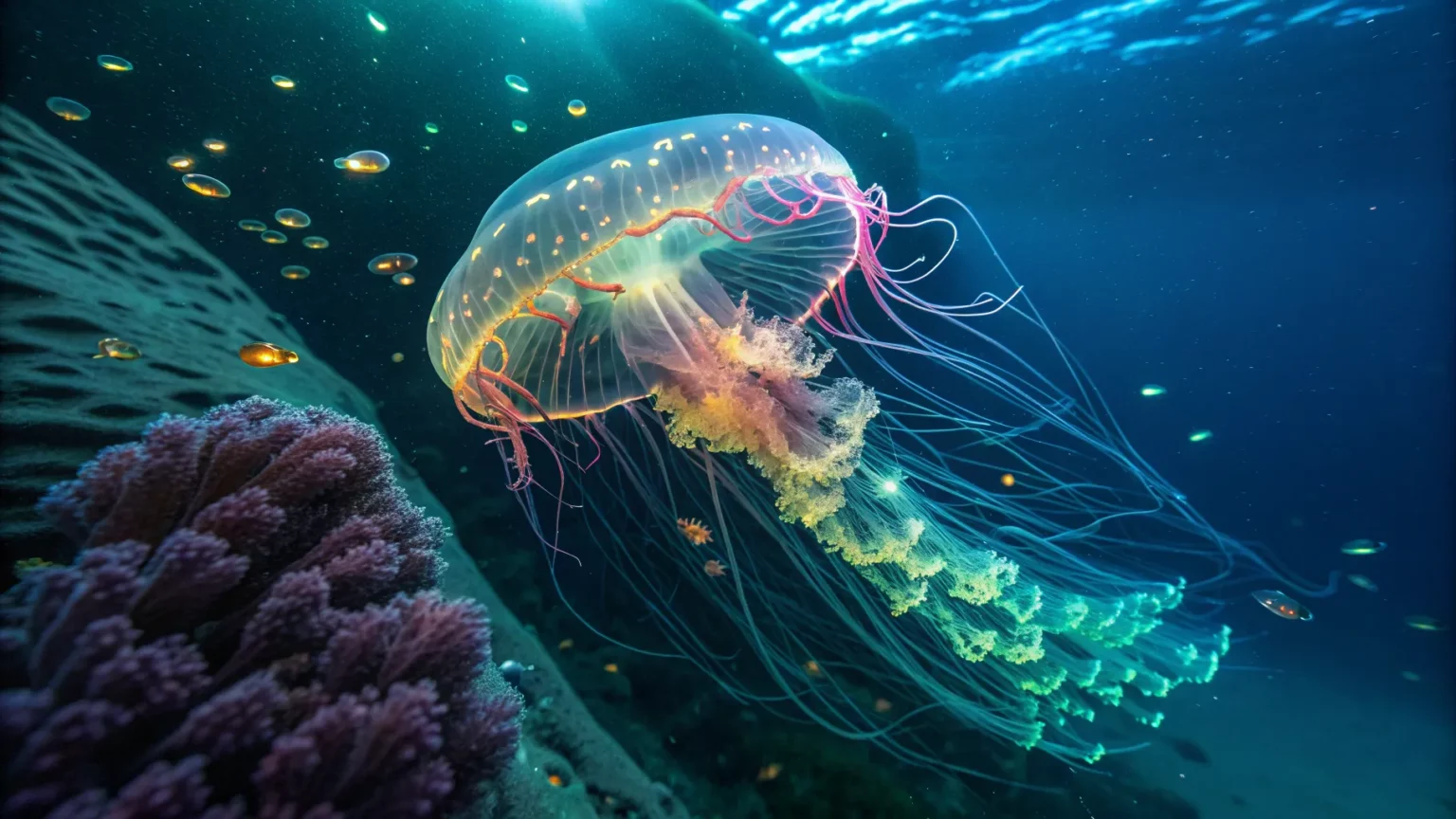
Nature’s photo team has curated their selection of the most striking scientific images from the past month. The collection showcases remarkable photography from various scientific disciplines, offering viewers a visual journey through recent research and discoveries.
Visual Science Highlights
The monthly roundup features photographs that capture scientific phenomena, research breakthroughs, and natural wonders that have emerged in recent weeks. These images serve not only as documentation of scientific work but also as artistic representations that make complex concepts accessible to broader audiences.
Selected for their technical quality, scientific significance, and visual impact, the images span multiple fields including astronomy, biology, chemistry, physics, and environmental science. Each photograph tells a story of scientific inquiry and discovery, often revealing aspects of our world that remain invisible to the naked eye.
Behind the Selection Process
Nature’s photo editors evaluate hundreds of images each month before making their final selections. The curation process considers both the scientific importance of what’s depicted and the photographic skill demonstrated in capturing these moments.
The team looks for images that:
- Illustrate significant scientific developments
- Demonstrate exceptional technical photography
- Reveal natural phenomena in new ways
- Communicate complex scientific concepts visually
This monthly feature has become a popular way for scientists and the public alike to engage with current research through visual storytelling. For researchers, having their work featured represents recognition of both scientific achievement and the growing importance of visual communication in science.
Impact of Scientific Imagery
Scientific photography plays an increasingly critical role in both research documentation and public engagement with science. High-quality images help scientists analyze data, while also making their work more accessible to non-specialists.
“Scientific images can communicate across language barriers and technical knowledge gaps,” notes one researcher whose work has previously been featured in the collection. “A powerful image can make people care about scientific topics they might otherwise overlook.”



The monthly selection also highlights the technical advances in scientific imaging technologies. From electron microscopy to satellite imagery, these photographs showcase how new tools allow scientists to visualize everything from atomic structures to global weather patterns.
The collection serves as a visual archive of scientific progress, documenting both incremental advances and major breakthroughs across disciplines. For many viewers, these images provide their first glimpse into cutting-edge research happening in laboratories and field sites worldwide.
Nature’s monthly science image selection continues to bridge the gap between scientific research and public understanding, demonstrating that science can be both intellectually stimulating and visually captivating.