

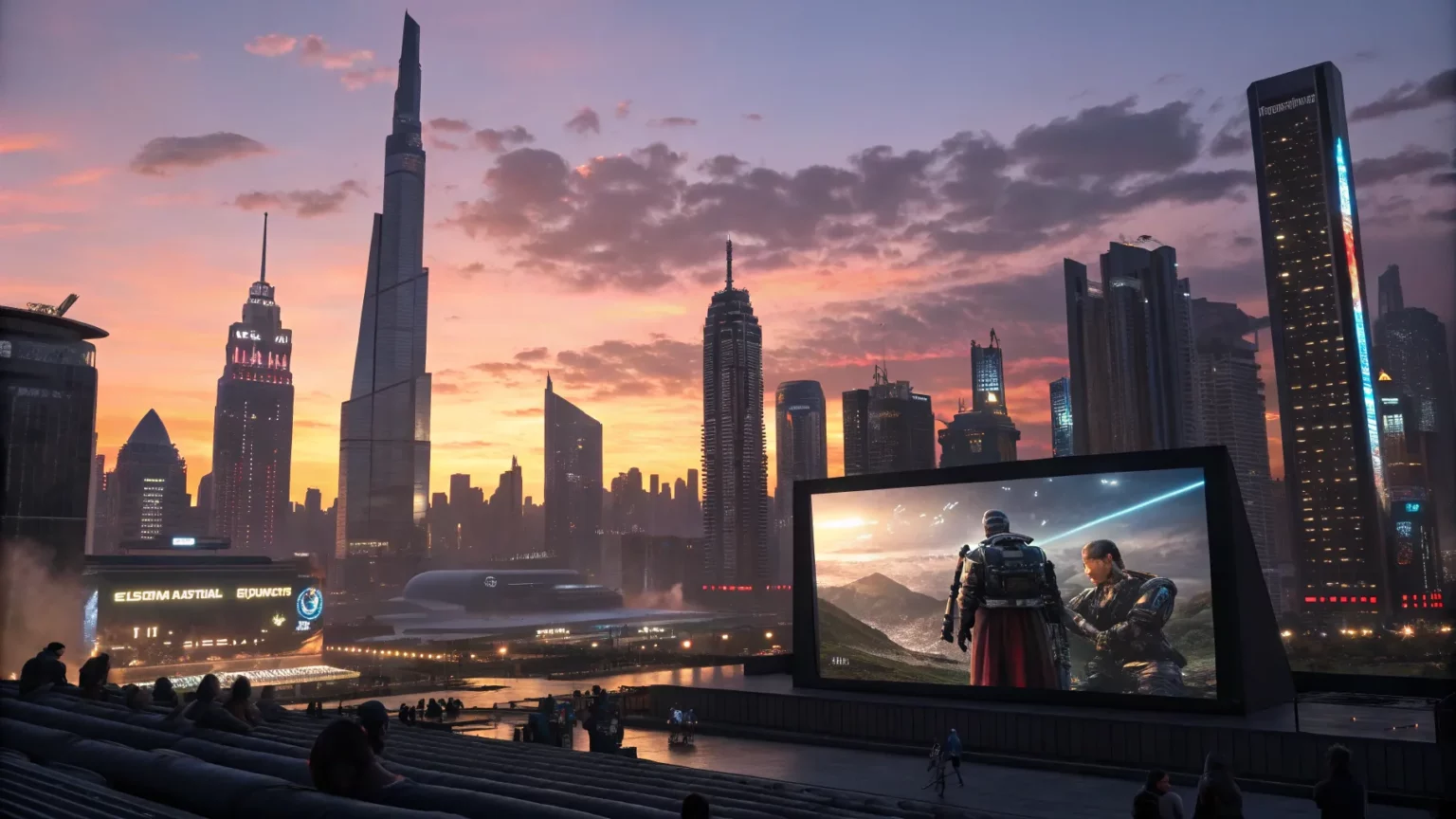
A new project called Neural Viz is being pitched as an AI-driven “cinematic universe,” signaling an ambitious push to merge machine-generated storytelling with franchise-scale worldbuilding. Announced this week, the initiative claims a sweeping vision for how films, series, and characters could be created and expanded with help from artificial intelligence.
The reveal was short on details but strong in tone. The promise is clear: use AI tools to generate stories, visuals, and characters that can grow across many titles. That pitch comes as studios, startups, and creators search for faster and cheaper ways to produce high-quality content during a time of tight budgets and fast-changing viewer habits.
“Behold Neural Viz, the first great cinematic universe of the AI era.”
Why This Matters Now
AI has moved quickly from text and images into audio and video. Text-to-video systems, AI voice cloning, and automated editing have cut production time for trailers and short films. Studios have experimented with AI for storyboarding, de-aging, and visual effects clean-up. Independent creators use AI to prototype scenes or generate concept art before a shoot.
Against that backdrop, a unified “cinematic universe” built with AI is the next logical step. It suggests a future where character arcs, settings, and visual style guides can be generated, tested, and scaled with less manual work. It also hints at new formats: interactive stories that adapt to audience input or episodic releases that update in near real time.
What Neural Viz Could Offer
The pitch points to a few possible features, even without a technical breakdown:
- AI-assisted writing to map long story arcs and character histories.
- Procedural worldbuilding for locations, props, and background actors.
- Automated visual pipelines for drafts, previz, and final shots.
- Audience testing that feeds back into scripts and edits.
If done well, these tools could reduce costs and expand creative options. A small team could build feature-length content, test spin-offs, or localize stories across markets. Fans might see faster sequels and richer side stories without the long gaps common in traditional production.
Promises, Limits, and Legal Questions
Bold claims meet real limits. AI-generated video can still struggle with consistency, motion, and fine details. Keeping characters on model across hours of content is hard. Dialogue timing, lip sync, and emotional range often require human direction and revision. The “uncanny valley” remains a risk for lead characters.
Rights and ethics are also front and center. Creators want tools that do not copy living artists. Actors and writers seek protections and fair pay if AI draws on their likeness or prior work. Studios face questions about training data and consent. Any AI universe will need clear policies on attribution and royalties to win trust.


Industry Reaction and What to Watch
Producers and VFX leads say the interest is real but caution that scale is hard. Building a true cinematic universe takes careful planning, consistent tone, and strong characters. AI can help, but it may not replace a seasoned writers’ room or an experienced director.
Independent creators, meanwhile, see opportunity. With the right tools, a solo filmmaker could release a pilot, gauge response, and expand into a series. The risk is a wave of look-alike content that feels generic. Curation and strong creative direction will matter more as tools spread.
Signals of Seriousness
For Neural Viz to stand out, observers will look for signs of substance:
- Named leadership and credited creative teams.
- Demonstrations that run longer than short teasers.
- Clear policies on data sources, rights, and revenue sharing.
- Partnerships with distributors or platforms.
A roadmap with release dates, budgets, and technical notes would also help. Without that, the project risks being seen as hype in a crowded field.
The announcement sets a high bar with its sweeping language. The next step is proof. A pilot episode, a short film slate, or a behind-the-scenes breakdown could show how much of the workflow is truly AI-driven and how much relies on human craft.
For now, Neural Viz captures a central question facing entertainment: can AI help build living franchises without losing the voice and care that audiences value? The answer will hinge on execution, transparency, and the willingness to blend new tools with old lessons in storytelling.