



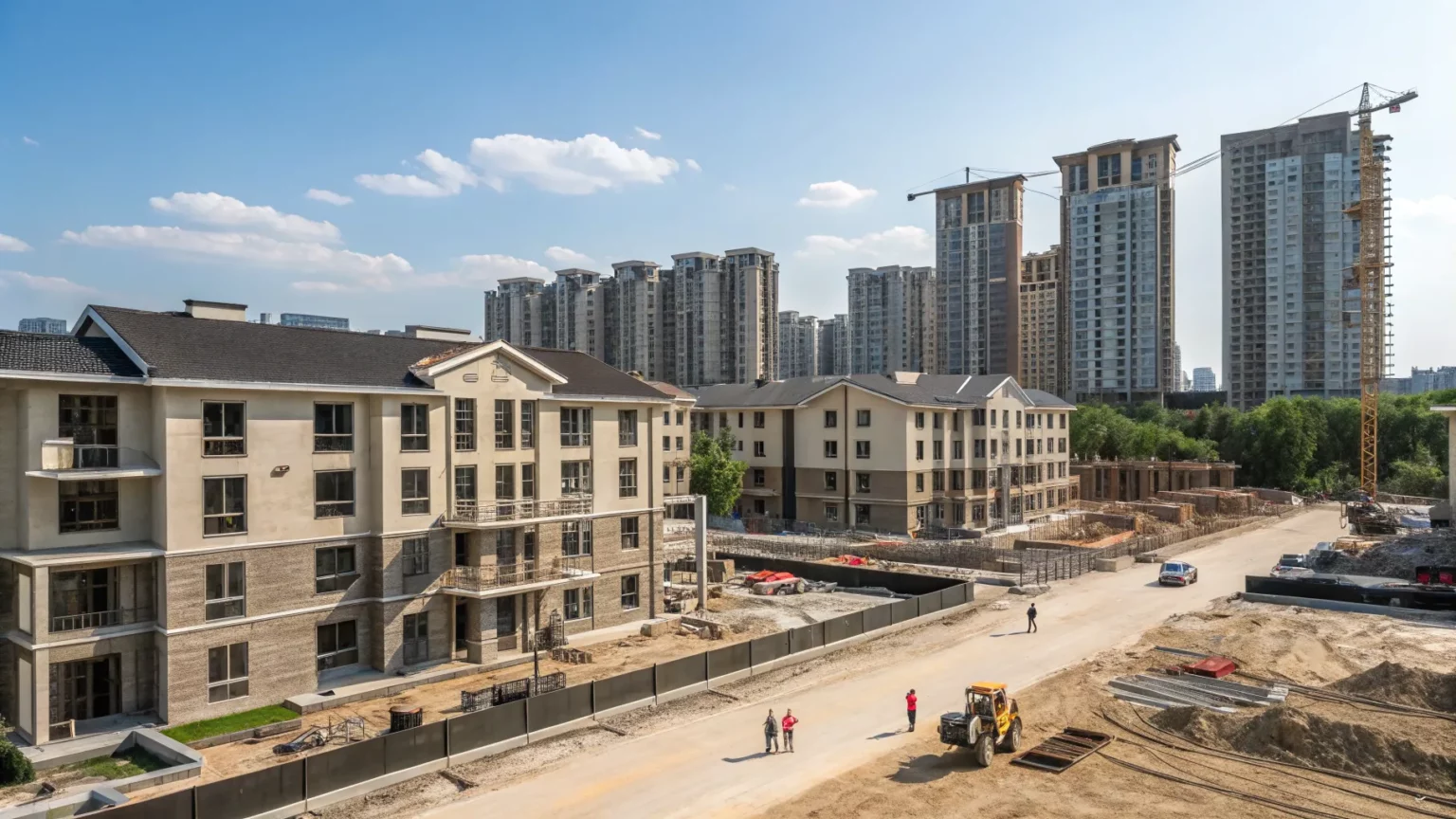
A wave of newly built apartments is slowing rent increases across many U.S. cities, as owners offer deals to fill units. The cooling may be temporary, though, with fewer projects starting amid higher borrowing costs and tougher financing. Renters are seeing relief now, but the outlook could tighten again if construction falls further.
“A surge in new apartments is slowing rent price growth and boosting concessions, but fewer new projects could limit how long that lasts.”
Why Rent Growth Is Cooling
Thousands of units that broke ground during the low-rate years are reaching the market. More choices give renters leverage. That eases the pressure that pushed rents to historic highs in recent years.
Large metro areas with major building pipelines are feeling the shift first. Properties that compete directly—new class A buildings—are using discounts to win tenants. Older buildings nearby often follow with smaller reductions.
Leasing teams report longer marketing times and more free months to close deals. Owners are balancing occupancy goals with revenue targets as peak leasing season approaches.
Concessions Return As Competition Heats Up
Move-in specials are rising after being rare during the boom. The most common offers include:
- One or two months of free rent on a 12- or 15-month lease
- Waived application or amenity fees
- Parking or storage discounts
These incentives cut effective rents even when list prices hold steady. For renters, the math can be meaningful. A month free spreads savings across the lease term. For owners, concessions buy time to stabilize a new property without marking down headline rates.
Developers Pull Back As Costs Rise
Even as completions climb, new starts are slowing. Higher interest rates, stricter lending standards, and rising insurance bills make projects harder to finance. Construction costs remain elevated, squeezing margins and delaying groundbreakings.
Some projects are being redesigned to cut expenses. Others are paused while sponsors seek equity partners. If this slowdown persists, the supply cushion could thin next year. That would set the stage for firmer rent growth once today’s deliveries are absorbed.


Regional Winners And Losers
Not every market is moving in the same direction. Sun Belt cities that permitted aggressively are reporting the largest concessions. Coastal metros with tighter zoning and slower approvals see less discounting, though rent growth there has eased too.
Suburban nodes near job centers often lease faster than urban cores with many competing towers. Student housing and build-to-rent communities show steadier demand where supply is more limited.
What It Means For Renters And Owners
For renters, the next few months may be the best window to negotiate. Touring multiple properties and asking about specials can lead to better terms. Flexible move-in dates and longer leases often unlock deeper discounts.
For owners, capturing traffic is the priority. That means targeted pricing, sharper marketing, and service upgrades that improve retention. Careful underwriting is vital as lenders scrutinize lease-up velocity and net operating income.
What To Watch Next
Leasing season will reveal how much demand absorbs the current surge. If occupancy stabilizes with heavy concessions, effective rents could tread water into year-end. If new starts stay muted, the supply picture may tighten in the following year, lifting rents again.
Local policy could also matter. Faster approvals and incentives for mid-market rentals can ease pressure without overshooting supply. Monitoring job growth and migration will help signal where demand can meet upcoming deliveries.
For now, renters have the upper hand as new buildings hit the market. Owners are trading short-term discounts for occupancy and stability. The balance could flip if the development pipeline keeps shrinking, making this season’s deals a limited window.