




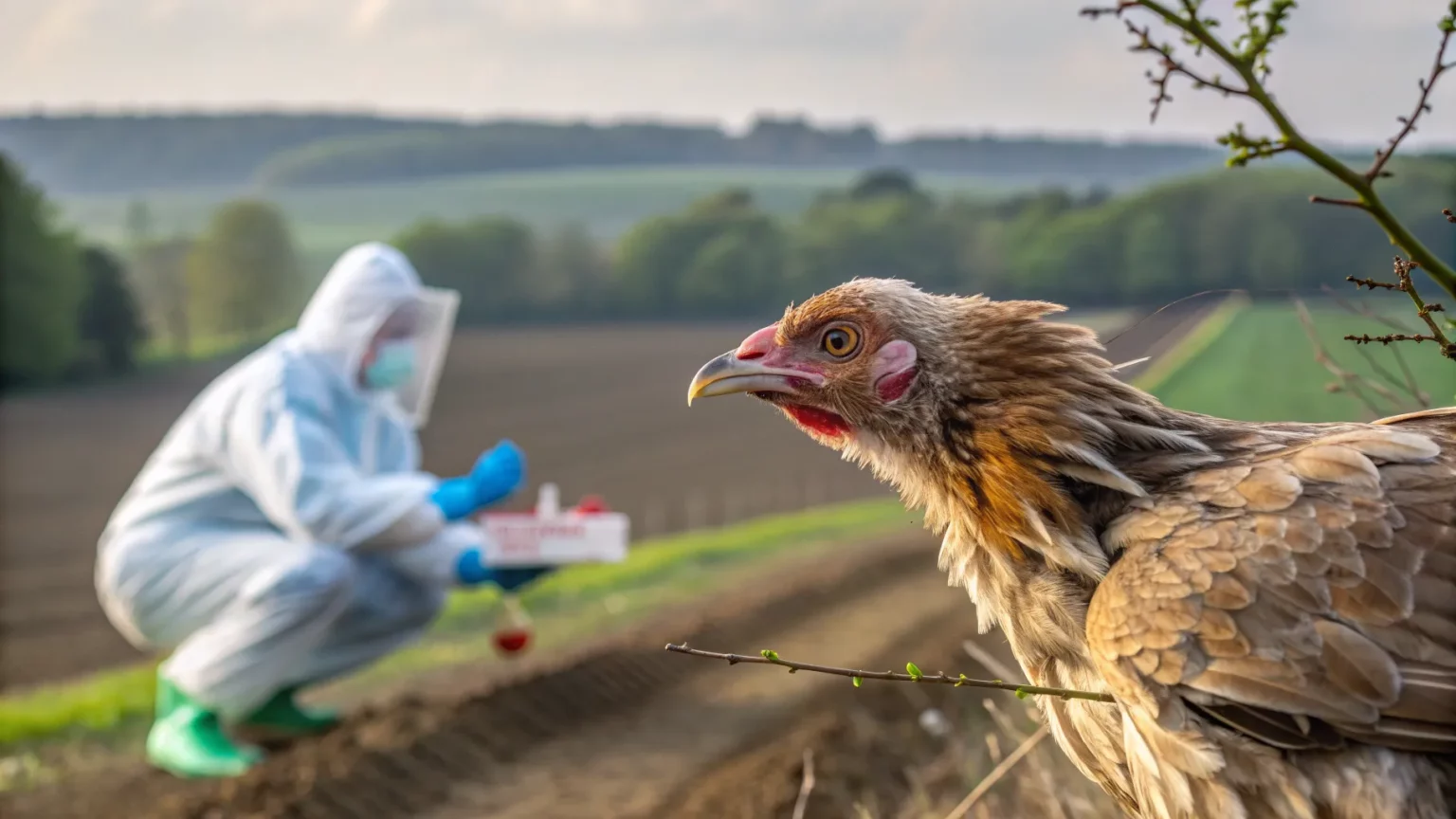
A new fatal human case linked to avian influenza has raised fresh concern among health officials. While H5N1 has circulated in U.S. wildlife since late 2021 with only one human death recorded, authorities now report a separate bird flu subtype has also caused a fatality. The development has renewed questions about spillover risk, food safety, and surveillance gaps.
“H5N1 bird flu has been circulating in U.S. wildlife since late 2021 but has caused only one human fatality. Now a different type of bird flu has also caused a death.”
What Happened
Global health agencies confirmed a human death tied to an avian influenza subtype different from H5N1. In 2024, the World Health Organization reported the first known human infection with H5N2 in Mexico, which was fatal. Investigators did not identify a clear exposure to infected birds. Officials said there was no evidence of person-to-person spread.
In the United States, H5N1 remains the dominant strain in wildlife and domestic poultry. It has also been detected in dairy cattle. Human infections linked to cattle exposure in 2024 were mild and rare, and there were no deaths reported in those cases.
Background: H5N1’s Long U.S. Run
H5N1 swept through wild birds and poultry across North America starting in late 2021. The virus triggered mass culling events to control spread. Egg prices spiked as farms dealt with recurring outbreaks.
Scientists later found H5N1 in dairy cattle across multiple states. The Centers for Disease Control and Prevention said the risk to the general public remained low. Pasteurized milk continued to be safe, according to the Food and Drug Administration, which cited tests showing commercial pasteurization inactivates the virus.
Human infections have been rare. In the U.S., confirmed cases tied to animals produced mild symptoms such as eye irritation. Exposure occurred mostly among farm workers, veterinarians, and cull teams.
How The New Death Changes The Picture
The reported H5N2 death signals that more than one avian influenza subtype can infect people. That is not new in influenza science, but it adds urgency to surveillance. The fatality came without a clear exposure route, which complicates tracing and prevention efforts.
Experts say the case does not mean wider spread is underway. They point to limited infections, lack of sustained transmission, and existing controls in animal health systems.



Key Risks And What To Watch
- Occupational exposure: Farm and processing workers face the highest risk, especially where protective gear and testing are limited.
- Viral change: Influenza viruses evolve. Health labs monitor for mutations that could make human spread easier.
- Food safety: Agencies maintain that pasteurized dairy and properly cooked poultry and eggs are safe.
- Testing gaps: Sporadic testing in animals and people can miss early signals.
Industry And Public Health Response
Poultry and dairy producers have tightened biosecurity, restricting farm access and stepping up cleaning. Some states expanded testing of herds and flocks. The federal government offered support for worker protection, including masks and eye shields during high-risk tasks.
Public health labs increased genomic sequencing of samples from animals and people with suspected exposure. Vaccine makers maintain seed strains for high-risk influenza subtypes. Officials said these could be scaled if needed.
Why The Risk Remains Low
So far, human infections have been sporadic and tied to animal contact. There is no sign of sustained human-to-human spread. Seasonal flu preparedness offers a base of tools, including antivirals, diagnostics, and surge plans.
Health guidance remains simple. Avoid contact with sick or dead birds and mammals. Use protective gear when handling animals. Seek testing after high-risk exposure if symptoms develop.
Data And Trends
Since 2021, millions of birds in North America have been affected by H5N1 outbreaks. Dairy herd detections in 2024 prompted wider monitoring. Human cases have stayed limited, and most were mild. The H5N2 death in Mexico stands out as a rare event, and investigators continue to assess how the exposure occurred.
The latest fatality broadens the spotlight on avian influenza beyond H5N1. It reinforces the need for strong animal surveillance, worker protections, and quick lab analysis. For now, officials say the public risk is low, but they urge vigilance. The coming months will test whether tighter controls on farms and better testing can keep isolated cases from turning into wider threats.