




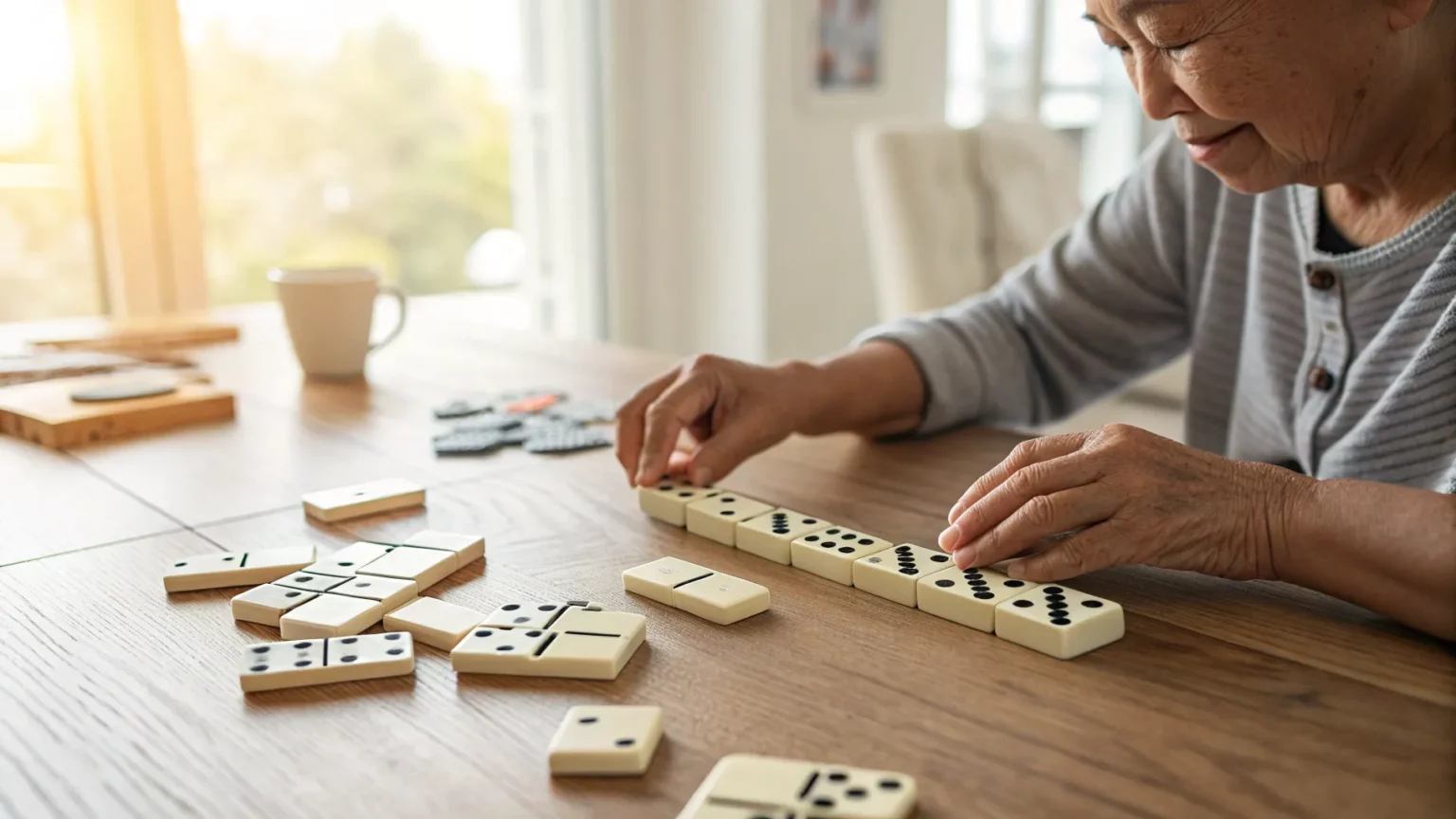
A short tutorial circulating Monday offered step-by-step help for “New York Times Pips,” giving players a concise way to match dominoes to tiles in the daily game. The guide promises a walk-through of the puzzle’s logic, aiming to assist readers who want a nudge without a full solution. It reflects a growing appetite for clear, quick tips for daily games that have become a staple for many morning routines.
The New York Times has built a large audience around its daily puzzles, from the long-running Crossword to hits like Spelling Bee, Wordle, and Connections. “Pips” adds a domino-style twist, according to the tutorial, focusing on matching pip counts and patterns on a tiled board. The format fits the paper’s push into simple, repeatable games that reward pattern spotting and incremental learning.
How the Puzzle Works
While official rules were not detailed in the tutorial, the guidance centers on matching dominoes to tiles based on their pip counts and positions. Players scan the board for legal placements that align with set constraints. As with dominoes, the count on each end appears to matter most.
“Looking for help with today’s New York Times Pips? We’ll walk you through today’s puzzle and help you match dominoes to tiles.”
The emphasis is on process. The walk-through encourages readers to apply consistent checks, narrow options, and avoid early moves that close off later paths. That matches common approaches used in other logic puzzles offered by the Times, where method often matters more than guesswork.
Why Strategy Guides Are Surging
Short, spoiler-light guides have become a daily habit for many puzzle fans. The best-known example is Wordle, which the Times acquired in 2022 and which quickly spawned daily hint pages without giving away the answer. Connections, introduced in 2023, and Strands, rolled out in 2024, both inspired similar tips-first content.
Players often want help at a single sticking point. They prefer advice that teaches a repeatable method. That keeps the challenge intact and reduces frustration that can come from a full reveal.
- Brief hints let readers practice strategies in real time.
- Step-by-step logic teaches pattern recognition.
- Non-spoiler guidance protects the core challenge.
What Makes Domino Logic Click
Puzzle designers often rely on rules that limit choices in predictable ways. In a domino-matching format, those limits come from pip counts and adjacency. Early placements can shape the endgame, so the first moves carry extra weight.
Good guides highlight three habits: scan for forced matches, test consequences of each placement, and leave flexible spaces for later. Those habits translate across many Times puzzles, from the Mini Crossword to Letter Boxed and Tiles.



Player Experience and Difficulty
Fans often praise games that feel fair, where a mistake teaches rather than punishes. The Pips tutorial positions itself as a teaching tool. It shows how to evaluate possible placements, avoid traps, and use small deductions to unlock the board.
That approach mirrors the trend toward “assist mode” thinking in game design. Hints reduce friction without removing the puzzle’s core. Players stay engaged longer, and more of them finish, which encourages repeat play.
The Times’ Puzzle Footprint
The New York Times has steadily increased its puzzle portfolio in recent years. Wordle’s daily streak culture has spilled into other titles, where players track wins and share results without spoiling answers. Communities on social platforms trade hints, vent about tough days, and compare solving times.
Guides like the one for Pips fit neatly into that culture. They offer quick support and teach strategies that keep players returning. They also serve newer audiences who may be less familiar with logic games but are curious about daily challenges.
What to Watch Next
If Pips continues to grow, expect more structured hint formats: tiered clues, annotated examples, and optional “show steps” aids. Daily trend tracking, such as difficulty levels and common stumbling blocks, could follow. Those tools help players learn while preserving the thrill of a clean solve.
The new tutorial suggests demand for guided play remains strong. It meets readers where they are, offering practical help without stripping away the fun. For the Times, that balance has been the engine behind its recent puzzle success stories.
As players try to match dominoes to tiles, the best advice remains simple: look for forced fits, keep options open, and let each placement teach the next move. If hint-led formats keep growing, daily puzzle habits will likely deepen, and more players will feel confident taking on the board each morning.