




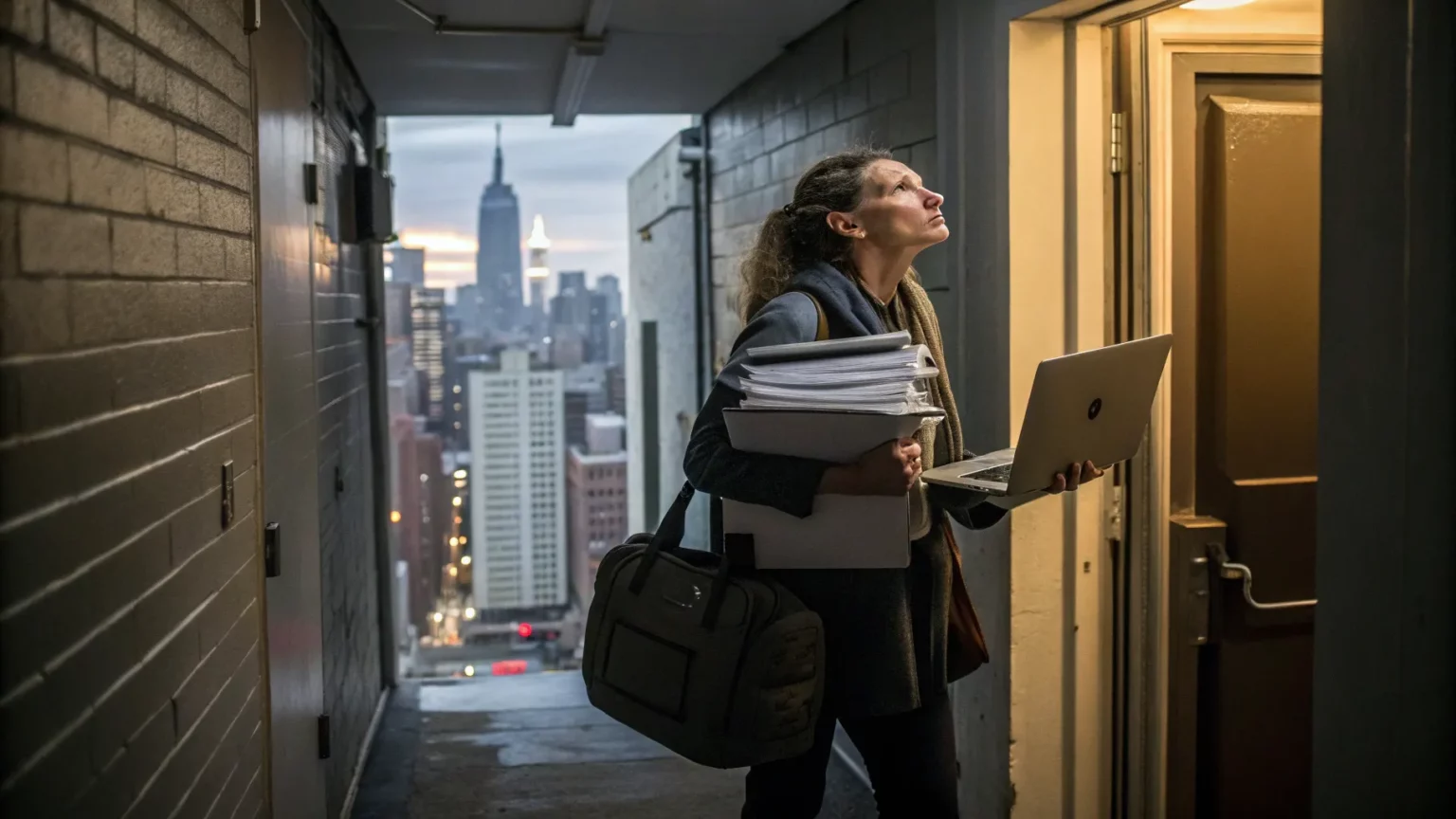
A single mother working multiple jobs and pursuing a graduate degree says the math no longer works in New York City. She is holding on, but rising rent, child care, and tuition have forced hard choices. Her calculation reflects a wider trend, as more working families weigh whether to leave the city for cheaper places.
Costs That Keep Climbing
New York’s affordability squeeze has grown sharper since the pandemic recovery. Rents reached record highs in 2023 and 2024. Median asking rent in Manhattan hovered near $4,000 to $4,400 a month, while borough-wide medians across the city were often above $3,500, according to brokerage and city housing data. For many households, rent alone takes more than a third of income.
Child care adds another steep bill. Infant care in New York City can exceed $20,000 a year. The state’s Office of Children and Family Services has reported center-based infant care often ranges from $1,700 to over $2,000 a month in the city. After-school care for older children is cheaper but still costly when paired with rent and commuting.
Inflation has eased from its 2022 peak, but grocery and utility prices remain higher than before the pandemic. Transportation also costs more. A monthly unlimited MetroCard is about $132, and many parents pay for ride-hailing during late shifts or when child care runs short.
The Balancing Act of Work and School
Graduate study can promise higher pay later, but it adds upfront bills and demands time. Public university tuition for many master’s programs runs roughly $10,000 to $15,000 a year for in-state students, with additional fees and books. Private programs cost far more.
That means working nights and weekends to cover living expenses while attending classes and parenting. It also means lost sleep, limited time with children, and constant schedule changes. The risk is burnout. If one piece slips—child care falls through or a shift gets cut—the whole plan can crumble.
Why Leaving Is On the Table
Many families now run a simple break-even test. Could the same income buy more space and stability in New Jersey, Pennsylvania, or further away? For some, the answer is yes, even with longer commutes or weaker professional networks. Others consider remote or hybrid work to live outside the city while keeping New York wages.
The mother’s dilemma is clear: she values her support system, school program, and job prospects here. But the monthly bills keep rising faster than her income. If a surprise expense hits—a medical bill, a rent increase, or a child care gap—relocation looks like the safer option.



Policy Ideas and Real Limits
Public programs do help. Families may qualify for child care vouchers, the state’s expanded child tax credit, and SNAP. Some graduate students receive tuition waivers or stipends. Housing lotteries offer stabilized rents for those who win a unit, but wait times are long and odds are low.
- Child care supports: State-funded subsidies can reduce fees for qualifying families.
- Tax credits: City and state credits add to the federal Child Tax Credit, but amounts vary by income.
- Housing programs: Lotteries and vouchers exist, yet demand far exceeds supply.
Advocates argue for more targeted relief: expanded child care capacity, increased rental aid, and a larger state child credit that phases out more slowly. Employers can help too with predictable scheduling, flexible hours, and tuition assistance.
What This Means for the City
Losing working parents weakens neighborhoods and schools. It also narrows the city’s talent pipeline. New York depends on a steady flow of nurses, teachers, social workers, and other professionals trained in local programs. If the cost of finishing those degrees is too high, the future workforce shrinks.
There are early signs of movement. Population estimates show net outflows of middle-income families since 2020, even as immigration and new graduates offset some losses. If high costs continue, the city risks hollowing out the middle while wealth and poverty both rise.
The single mother’s path will be decided by numbers more than dreams. If rent, child care, and tuition can be managed, she will stay and finish her degree. If not, she may join the stream of families leaving for a cheaper zip code. For New York, the next year matters. Watch for shifts in rents, expanded child care funding, and employer flexibility. Those choices will determine whether working parents can build a future here—or build it somewhere else.