



The head of the Nobel Institute said Peace Prize winner María Corina Machado will not attend the awards ceremony in Oslo. The announcement leaves an empty seat at one of the world’s most watched events and raises fresh questions about the pressures facing political figures honored on the global stage.
No reason was given for Machado’s absence. Organizers confirmed the program will proceed as planned, with speeches and musical performances in the Norwegian capital.
The institute’s director said Machado “will not attend the awards ceremony in Oslo.”
A Tradition Shaped by Presence—and Absence
The ceremony in Oslo has long stood as a stage for both celebration and symbolism. While most laureates accept the prize in person, several notables have missed the event over the decades due to detention, travel restrictions, or political turmoil.
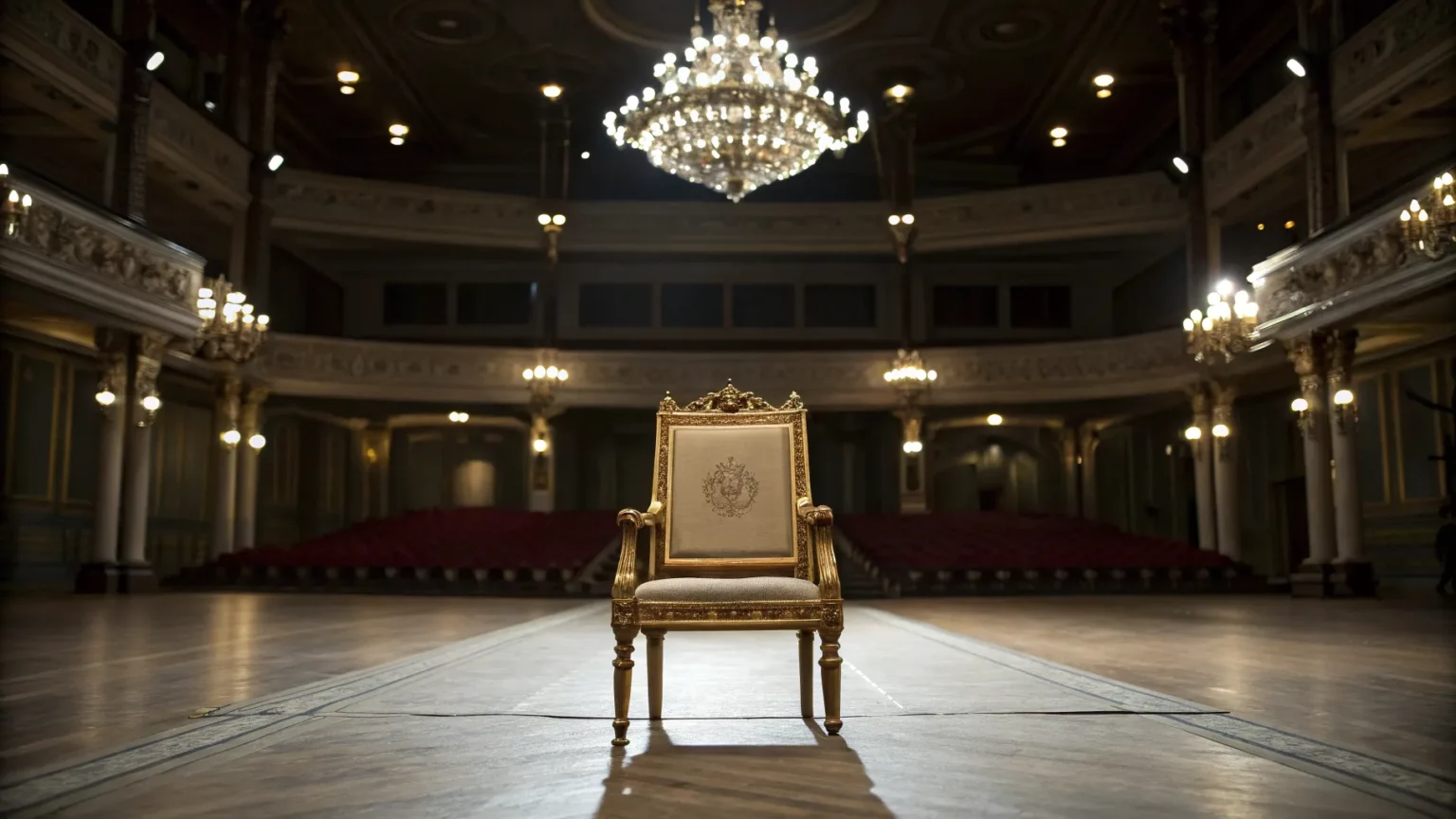
History shows that absence can speak as loudly as acceptance. China’s Liu Xiaobo could not attend in 2010, prompting an “empty chair” tribute that echoed worldwide. Myanmar’s Aung San Suu Kyi missed the ceremony in 1991 while under house arrest and accepted years later.
- Absence has often signaled pressure at home or limits on travel.
- Past ceremonies have used visual symbols to highlight a laureate’s situation.
Against that backdrop, Machado’s nonappearance draws immediate attention. It also spotlights the delicate balance between global recognition and local realities for political figures.
Reactions and What It Signals
Supporters say the Peace Prize can offer protection by shining light on a laureate’s cause. Critics note that it sometimes heightens tensions, making travel or public appearances harder. Without a stated reason, observers are left to read the signals around Machado’s decision.
The Nobel Institute’s message was brief, avoiding any speculation. That restraint keeps focus on the prize, but it also invites questions about whether travel logistics, health, or political constraints are at play. In similar cases, organizers have adjusted the program to include statements from representatives or written remarks from the awardee.
Diplomats in Oslo often watch these moments closely. An absent laureate can shift a ceremony’s tone from festive to reflective, redirecting attention to the conditions that made attendance impossible.


Impact on the Ceremony
For the Nobel committee, an empty seat changes the optics but not the purpose. The event still confers recognition and documents a historical record. Acceptance speeches may be read by others, and the chair reserved for the honoree can carry its own message.
The audience, both in the hall and worldwide, tends to engage more deeply when a laureate is missing. The symbolism is simple and effective. It also keeps the spotlight on the issues that led to the award.
What to Watch Next
Attention now shifts to whether Machado will send written remarks or designate a representative. The institute may offer updates if circumstances change.
Past experience suggests three key possibilities:
- A proxy delivers an acceptance message at the ceremony.
- The laureate issues a statement for broadcast during the event.
- An empty chair honors the winner in absentia, as used in earlier years.
However it unfolds, the prize remains a powerful platform. Machado’s absence underscores how recognition on the world stage can collide with the realities of political life. The ceremony will go on, but the meaning may be felt most in the space she leaves behind.
For now, the Nobel Institute’s confirmation stands as the latest development. The global audience will watch for any late changes, a written speech, or a symbolic tribute—signs that the honor, and the message behind it, still carry through.