




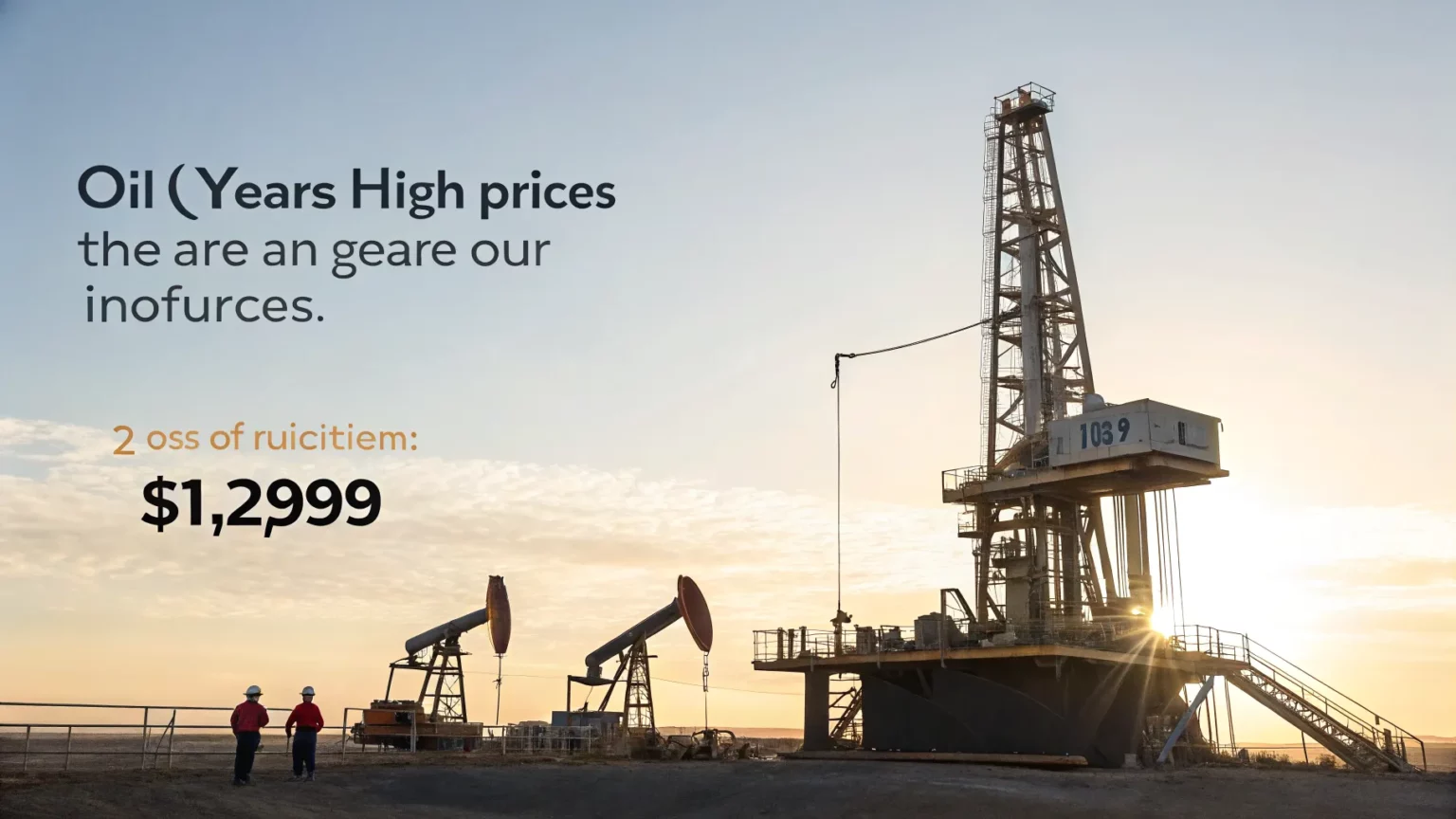
The global oil market jumped overnight as the price per barrel touched $119.48, the highest level since July 2022. The move came shortly after midnight and signaled rising pressure on energy costs worldwide. Traders and policymakers are watching for ripple effects on inflation, fuel prices, and growth.
The price per barrel reached as high as $119.48 shortly after midnight, a high not seen since July 2022.
Prices last neared this range during the early months of the war in Ukraine, when supply fears and sanctions drove a sharp spike. Since then, producers adjusted output and consumption cooled at times, helping bring prices down. The latest surge raises fresh questions about supply security, demand trends, and policy options.
What Is Driving the Jump
Energy markets tend to move on a mix of supply and demand signals. Production decisions by major exporting countries can tighten the market. Geopolitical risks add a premium when shipping lanes or fields face potential disruption. On the demand side, strong travel seasons, heat waves, or cold snaps can lift fuel use.
Inventories also matter. When stockpiles run low, even small outages can have an outsized effect. Refinery downtime can worsen fuel shortages, especially for diesel and jet fuel. Traders try to price in these risks early, which can cause quick moves during thin overnight trading.
- Supply constraints can lift crude and refined product prices in tandem.
- Geopolitical tensions raise freight and insurance costs for cargoes.
- Seasonal demand and weather shifts can spike short-term fuel needs.
Economic Impact for Consumers and Businesses
Higher crude prices often filter into gasoline, diesel, and jet fuel. The pass-through varies by taxes, refining margins, and local competition. Analysts often estimate that a $10 move in crude can shift U.S. retail gasoline by about 20 to 30 cents per gallon over time. That range can be wider in Europe or markets with higher taxes.
Airlines face higher operating costs when jet fuel climbs. Trucking firms and farmers feel pressure from diesel. Chemical producers, which use oil-linked feedstocks, can see higher input costs. If the spike lasts, households may cut back on spending in other areas, slowing growth.
Central banks track energy prices closely. A sustained run near $120 could complicate efforts to bring inflation down. Policymakers might weigh the trade-off between tighter policy and slowing demand, especially if wage growth softens while fuel costs rise.
Industry and Policy Responses
Producers may respond if higher prices persist. Companies with spare capacity can increase output, though decisions depend on longer-term price views and maintenance schedules. Shale producers often react faster, but financing and supply chain limits can slow drilling ramps.



Governments have tools, but each comes with trade-offs. Strategic stockpile releases can ease short-term tightness but reduce reserves. Fuel tax changes can cushion consumers but strain budgets. Sanctions policy and shipping rules also affect flows and costs.
Refiners may adjust yields to meet seasonal demand, prioritizing gasoline in summer or diesel in winter. If refining margins widen, that may draw more product exports, affecting regional prices.
Comparisons With 2022 and What Could Come Next
In 2022, prices spiked on fears of a deep supply shock tied to the Ukraine war. Since then, trade flows adjusted, new routes formed, and some supply returned. Today’s push near $119.48 suggests a tight market again, but the causes may be broader: steady demand, cautious output growth, and ongoing geopolitical risk.
Key indicators to watch include shipping rates, refinery outages, and weekly inventory reports. Options markets can signal whether traders expect the move to last. If volatility rises, hedging costs for airlines and shippers could climb, adding pressure to fares and freight rates.
Outlook and Risks
If prices hold near $120, consumer energy bills may rise into peak travel months. Short-lived spikes can fade if supply improves or demand cools. But a longer stretch at current levels would test inflation progress and could slow growth in energy-importing countries.
For now, the overnight high has put markets on alert. The next steps from producers, the path of demand, and geopolitical headlines will decide whether this is a brief flare-up or the start of a new phase for oil.
The latest move suggests a tight balance between supply and demand. Policymakers and businesses may need contingency plans if pressure builds. Watch for production updates, inventory data, and shifts in refining output to gauge whether prices stabilize or climb further.