




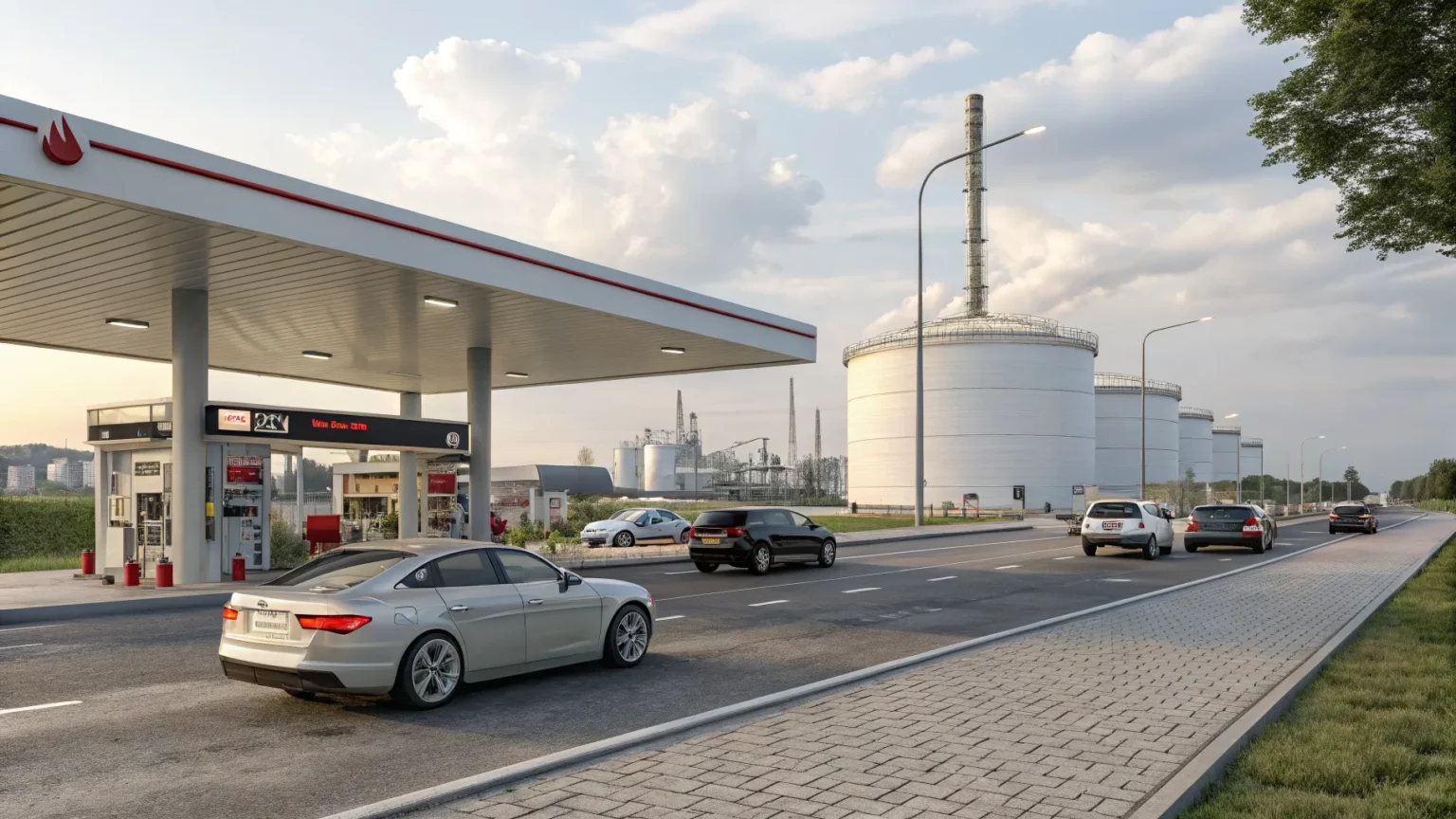
Global crude prices have fallen sharply from recent highs, yet many drivers are unlikely to see cheaper fuel right away. The drop in oil, which sets the tone for energy markets worldwide, has not translated into quick savings at gas stations. That lag reflects how fuel pricing works from wellhead to pump and why short-term moves in crude often take time to filter through.
“Global oil prices have fallen well below their recent peak. But don’t expect to see relief at the pump in the coming days.”
The tension between cheaper crude and sticky pump prices surfaces during seasonal shifts, refinery maintenance, and changes in fuel blends. It also shows the weight of taxes, shipping costs, and retail strategies that can hold prices higher even as crude retreats.
Why Cheaper Oil Doesn’t Mean Instant Savings
Gasoline prices track crude oil over time, but not day by day. Fuel sold today was often refined from oil bought weeks earlier. Wholesalers and retailers move through existing inventories before resetting prices in full.
Refining margins, known as crack spreads, can also widen when crude drops. If refiners keep margins firm, pump prices do not fall as fast. Regional supply issues, such as outages or planned maintenance, can add to that effect.
Taxes and fees make up a large share of the final price. They do not fall when crude dips, so the decline consumers experience is smaller than the headline move in oil.
Seasonal Factors and Supply Constraints
Fuel markets often tighten during seasonal transitions. The shift to cleaner summer gasoline blends can lift costs because the product is harder to make. Even if crude is down, these blend requirements can slow price declines at the pump.
Refineries may reduce output during maintenance, which can push wholesale gasoline prices higher relative to crude. Weather events and unplanned outages can have a similar effect in certain regions.
- Inventory purchased earlier can delay price changes.
- Refinery margins may offset crude declines.
- Seasonal fuel standards raise production costs.
- Taxes and distribution are fixed or slow to change.
- Regional outages and shipping limits affect local prices.
Retail Strategy and Competition
Retailers tend to raise prices faster when costs rise and cut them slower when costs fall. This “rockets and feathers” pattern is widely observed in fuel markets. Stations may choose to hold prices steady to rebuild margins squeezed during oil’s prior surge.



Competition matters. In dense markets with many stations, prices may adjust faster. In rural or supply-constrained areas, fewer stations and longer supply lines can keep prices elevated for longer.
Global Forces Still Matter
Crude prices reflect global supply and demand. Producer policy decisions, shipping risks, and economic data can swing futures markets within days. If traders expect tighter supply later this quarter, the pullback in crude may be short-lived, limiting any pass-through to consumers.
On the demand side, steady travel and freight activity can support gasoline consumption even as crude falls. If demand holds, refiners and retailers may see less pressure to discount.
What to Watch Next
The gap between crude and gasoline should narrow if the oil slump lasts. Key signals include changes in wholesale rack prices, refinery utilization rates, and regional inventory levels. Faster declines in these measures often precede relief for drivers.
Policy shifts can also influence timing. Temporary tax holidays or changes in fuel specifications can speed price adjustments. Without such steps, the market usually moves in weeks, not days.
Cheaper crude is a first step, not the finish line for drivers. The fuel supply chain needs time to work through older, higher-cost stocks, and seasonal and regional factors can slow the handoff. If oil stays lower and refiners lift output after maintenance, pump prices are likely to ease. For now, consumers should expect a lag and watch wholesale indicators and local competition for the earliest signs of relief.