




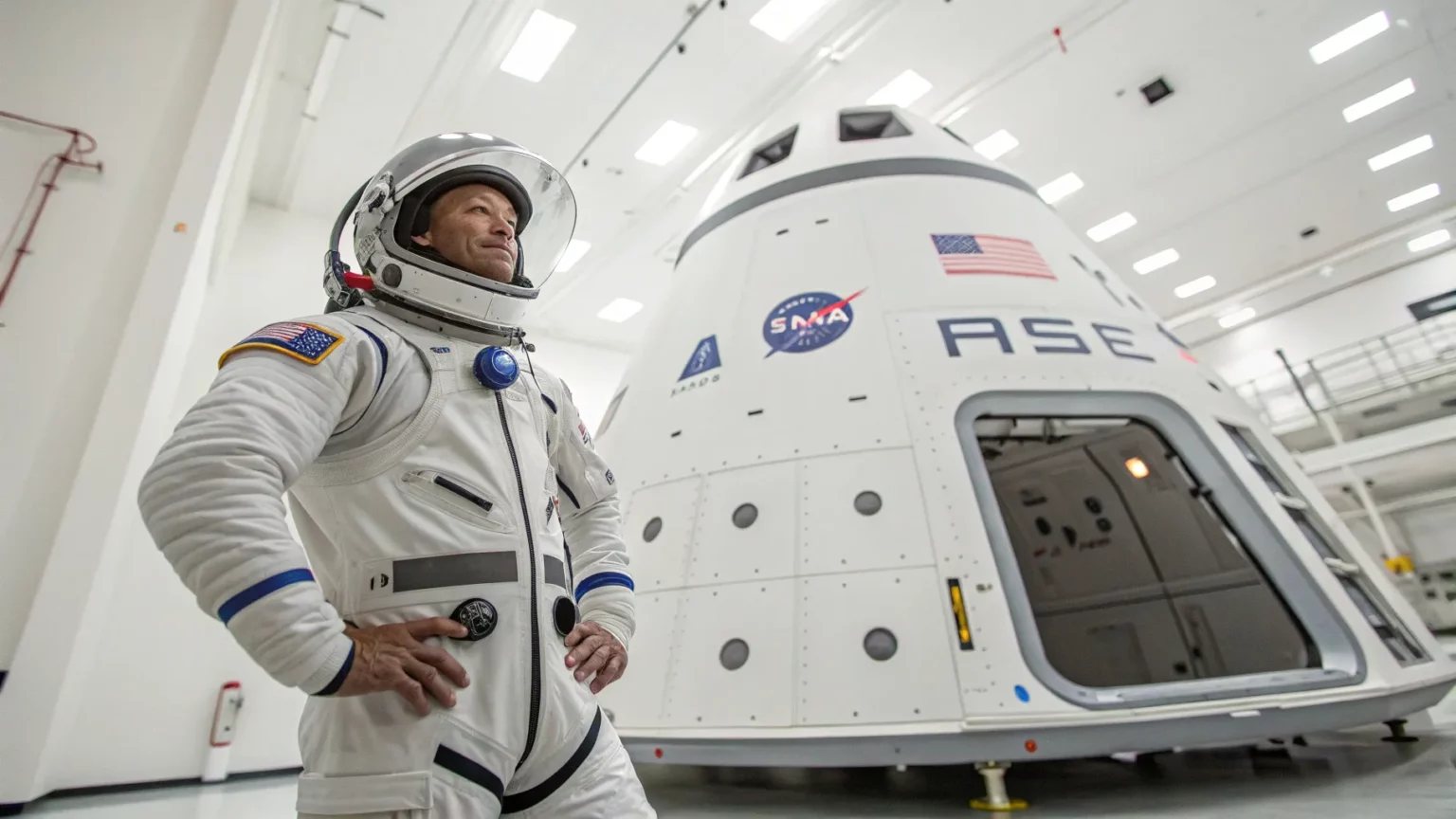
NASA is set to be led by an outsider for the first time in decades, a move that could reshape how the agency runs its missions and partnerships. The incoming administrator, described as an amateur jet pilot, would be the first in a generation to take the job without a government résumé. The shift arrives as the agency faces pressure on budget, timelines, and commercial ties that underpin its most visible programs.
The amateur jet pilot will be the first NASA administrator in decades to come directly from outside government.
A Rare Choice for NASA’s Top Job
The position of NASA administrator has often gone to figures rooted in government or the military. Recent leaders have included a former senator, a former congressman, and a Marine Corps general who flew in space. The agency’s top post usually requires navigating Congress, managing complex procurement, and directing multibillion-dollar projects with global partners.
Choosing a leader from outside government breaks with that pattern. It suggests a bet on operational experience and a different management style. It could also reflect the growing role of private companies in crew transport, cargo delivery, and lunar hardware.
What an Outsider Could Bring
An outsider may push NASA to move faster, cut red tape, and expand industry competition. Private flight experience, even at an amateur level, signals comfort with technical risk and flight operations. That perspective could influence decisions on human spaceflight, safety standards, and test schedules.
Supporters say the agency needs sharper execution. They argue that fresh leadership could help control costs, align priorities, and set clearer milestones.
- Streamlined decision-making for large programs.
- Tighter schedules and clearer accountability.
- More open competition among contractors.
Concerns Over Experience and Process
Critics warn that government experience matters in this job. The administrator must work with Congress on budgets and oversight. They must also manage ties with international partners who share hardware, launch dates, and science goals.
Learning federal acquisition rules, meeting safety boards, and handling inspector general reviews can be steep tasks for any newcomer. The Senate confirmation process also tests nominees on policy, ethics, and management depth.
Former officials argue that knowing how to build coalitions may be as important as technical familiarity. They note that delays and cost growth often stem from politics, not only engineering.



High-Stakes Agenda Awaits
The next administrator will inherit a crowded agenda. NASA is working to return astronauts to the Moon under the Artemis program. Launch schedules have slipped, and key systems still face testing. Meanwhile, science missions must compete for funding as costs rise.
Commercial partnerships are central to the plan. Private companies now fly crews to the International Space Station and resupply it. They are also developing landers, spacesuits, and station replacements. Managing these contracts and ensuring safety will be a daily task.
Climate and Earth science remain a priority, with satellites tracking weather, oceans, and greenhouse gases. These missions support farmers, cities, and emergency planners who rely on space-based data.
Measuring Success
Observers will judge the new leader on a few clear outcomes. Artemis needs achievable schedules and transparent costs. Science missions must launch on time and return quality data. Partnerships should expand competition without sacrificing safety.
Early moves to steady timelines and publish clear risk assessments would signal a disciplined approach. Consistent communication with Congress could ease budget fights and protect key missions.
The choice of an amateur jet pilot marks a bold turn for the agency. The job will demand quick mastery of Washington’s rules and steady leadership of complex programs. If the new administrator can pair fresh thinking with disciplined execution, NASA could gain speed without losing rigor. Watch for early decisions on lunar schedules, contract oversight, and station planning to set the tone for the next chapter of U.S. spaceflight.