


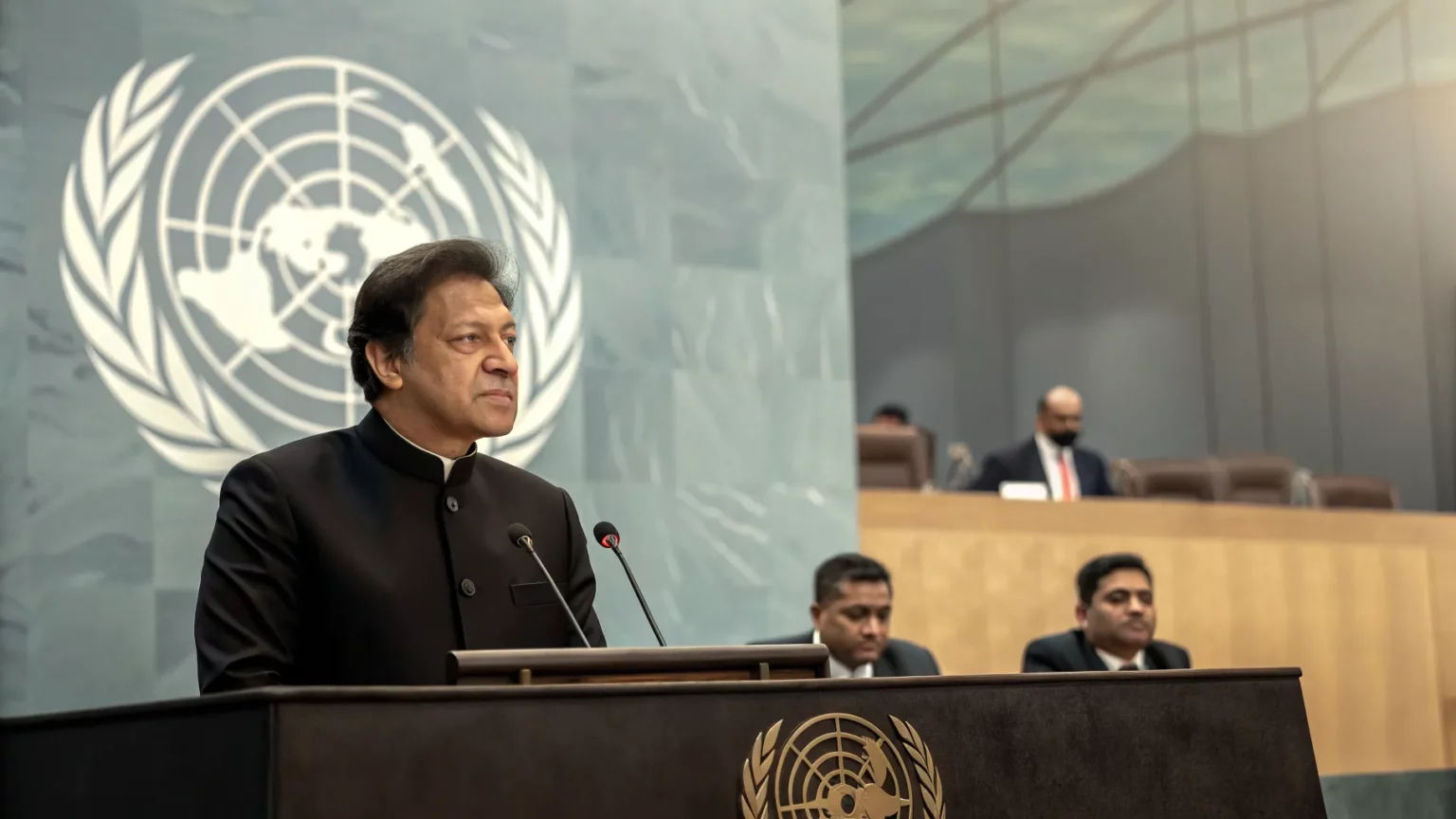
Pakistan’s new prime minister used the global stage to deliver a blunt message: climate change is not a forecast, it is a bill coming due. Speaking to world leaders at the United Nations, Shahbaz Sharif tied historic flooding at home to global warming and urged faster help for the millions affected.
His appeal came as Pakistan continues to deal with the fallout of catastrophic monsoon floods that put communities underwater, damaged crops, and displaced families across vast regions. He framed the crisis as both an urgent rescue mission and a test of global fairness.
“As I stand here today to tell the story of my …”
A Nation Soaked, A Budget Strained
Pakistan’s recent flooding affected more than 33 million people, according to government and U.N. figures widely cited by officials. Towns were submerged, roads washed out, and essential services stretched thin. The human toll was matched by economic shock, with billions in damage to homes, farms, and public works.
For a country already fighting inflation and debt, recovery costs threaten to crowd out spending on schools, health care, and jobs. That is the point Sharif drove home: the countries emitting the least greenhouse gases are bearing a heavy share of the damage.
The Climate Finance Gap
Sharif’s remarks fit into a larger fight over climate finance, the money meant to help vulnerable countries cope and rebuild. Wealthy nations have promised funds for years, but delivery often lags pledges. The gap shows up on the ground in slow housing recovery, delayed repairs, and overstretched aid groups.
- Relief needs include housing, health care, and water systems.
- Recovery plans require long-term investment in flood defenses and infrastructure.
- Farm losses risk pushing food prices higher, at home and across import markets.
U.N. officials have warned that extreme weather is becoming more frequent and more costly. Pakistan’s case is now a touchstone in debates over “loss and damage” funding—money aimed not just at preparing for shocks but at compensating for harm already done.
Global Stakes And Local Reality
Pakistan’s story is about more than one season of bad weather. It raises hard questions about who pays when the planet warms and rivers rise. Sharif pointed to a mismatch: emissions produced elsewhere, disasters suffered at home. His pitch was as much moral as fiscal.
Climate experts argue that better planning can lower risk: stronger river embankments, early-warning systems, and smarter building codes. But those upgrades take time and cash, two things in short supply when floodwaters are still receding.



Sharif urged donors to accelerate aid, saying millions remain vulnerable as the next monsoon season looms and recovery stalls without sustained support.
What Success Would Look Like
A credible path forward would pair near-term relief with long-term resilience. That means rebuilding homes above high-water marks, restoring clinics and schools, and protecting farmland with improved drainage and storage. It also means tighter coordination between Islamabad, provincial leaders, and aid partners to track spending and results.
Several measures could shift outcomes:
- Targeted cash transfers to families for housing repairs and essentials.
- Public works programs to restore roads, bridges, and irrigation.
- Insurance and microcredit for small farmers to replant and restock.
- Transparent reporting on climate funds to build trust and unlock more aid.
What To Watch Next
Sharif’s address sharpens the focus on upcoming climate talks, where “loss and damage” funding is set to be a flashpoint. Donor countries face pressure to move from promises to disbursements. Pakistan, meanwhile, will be judged on how it plans and prioritizes projects that reduce future risk.
The stakes are not abstract. The next heavy rains could arrive before rebuilding is complete. For Pakistan’s government, turning a plea into a plan may determine whether millions return to stable homes—or face another year of crisis.
Sharif’s message was clear: the water has already risen. What follows depends on whether the world matches words with money and speed.