




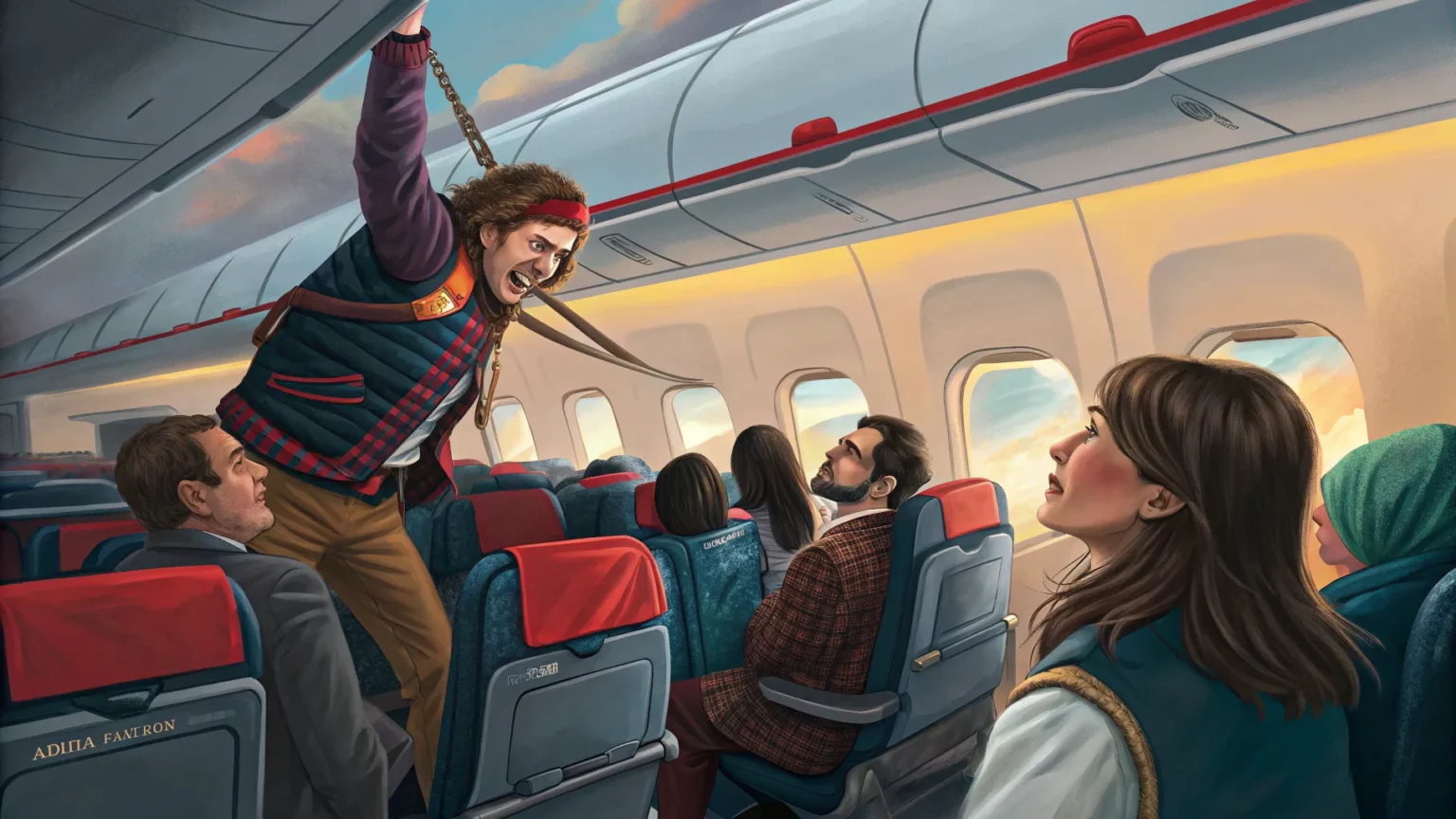
A disruptive passenger managed to escape restraints twice during a flight, according to police reports. The incident highlights growing concerns about unruly behavior on commercial airlines.
The male passenger, whose identity has not been released, was restrained by airline staff after exhibiting disruptive behavior. Despite their efforts, he broke free from the restraints on two separate occasions during the flight.
Police confirmed that airline employees attempted to secure the passenger using restraint devices that are standard equipment on most commercial aircraft. These restraints are typically used as a last resort when a passenger poses a threat to flight safety.
Rising Incidents of Unruly Passengers
This case adds to the growing number of disruptive passenger incidents reported by airlines in recent years. According to Federal Aviation Administration data, airlines have seen a significant increase in unruly passenger reports since 2020.
Flight crews are trained to handle disruptive passengers using a range of techniques, from verbal de-escalation to physical restraint in extreme cases. The use of restraints is considered only when other methods have failed and when passenger behavior threatens flight safety.
Aviation security experts note that restraint systems on aircraft are designed to be secure when properly applied, making this double escape unusual.
Safety Protocols and Crew Training
Airlines have specific protocols for handling disruptive passengers. These include:
- Verbal warnings and de-escalation attempts
- Written warnings about consequences of continued behavior
- Restraint use as a last resort
- Coordination with law enforcement for arrest upon landing
Crew members receive regular training on managing difficult situations and applying restraint devices correctly. The fact that the passenger broke free twice raises questions about either the restraint equipment used or the application techniques employed during this incident.



“When restraints fail, it creates a particularly dangerous situation at 30,000 feet,” said a former flight attendant who requested anonymity. “The confined space of an aircraft cabin means there’s nowhere to retreat from an aggressive individual.”
Legal Consequences
Interfering with flight crew members is a federal offense that can result in fines up to $35,000 and imprisonment. Police involvement in this case suggests the passenger may face serious charges.
The airline has not released details about what prompted the initial restraint, though typical triggers include threatening behavior, physical aggression toward crew or passengers, or actions that interfere with flight operations.
Law enforcement met the flight upon arrival, though details about the passenger’s arrest or charges have not been disclosed. Police confirmed they responded to the incident after being alerted by air traffic control before landing.
This incident occurs as airlines and aviation authorities worldwide review procedures for handling disruptive passengers, with some calling for stricter penalties and improved restraint systems to address the rising number of in-flight disturbances.