





A reported break between the Pentagon and Anthropic over who controls advanced AI systems has set off fresh debate about how Silicon Valley and the U.S. military should work together. The split, discussed this week by industry watchers, comes as OpenAI’s growing role in defense tech draws new attention and as startups weigh the risks and rewards of national security work.
The friction centers on questions of access, oversight, and off-switches for powerful models. It arrives at a moment when the Defense Department is trying to speed up adoption of artificial intelligence across missions, while major AI labs emphasize safety, transparency, and limits on wartime uses.
How Control Became the Flashpoint
Anthropic has built its brand around “constitutional AI,” a method meant to make models behave within stated rules. The company has also warned about misuse of very capable systems. Defense customers, by contrast, often seek assured performance, clear audit trails, and the power to constrain or halt model behavior under stress.
Those goals can clash. The Pentagon focuses on verifiable control and secure deployment. AI labs guard their models, training data, and safety playbooks to reduce misuse and protect intellectual property. Disagreements about who holds the keys, where systems run, and how emergency shutdowns work can stall deals.
Similar tensions have surfaced before. In 2018, Google faced internal protests over Project Maven, an early AI targeting effort, and pulled back. Since then, the Defense Department created the Chief Digital and Artificial Intelligence Office to centralize work and set standards. Procurement has matured, but the core question remains: how to blend fast-moving commercial AI with strict military needs.
OpenAI’s Careful Entrance Into Defense
OpenAI updated its usage rules in early 2024 to make clear it bans building or operating weapons, while leaving room for certain national security uses such as cybersecurity, disaster response, or translation. The company has said it will evaluate defense work case by case. That stance has opened a narrow path for cooperation without crossing hard lines on harm.
Defense leaders have courted commercial labs because state-of-the-art models move faster in the private sector. But OpenAI’s approach shows how tight the path is: any partnership must avoid lethal applications, maintain strict monitoring, and respect export controls. The company’s caution contrasts with defense-focused firms such as Anduril or Palantir, which design products for military needs from the start.
What’s at Stake for Startups
For young companies, defense work offers steady revenue and real-world testing. It also brings security reviews, long sales cycles, and reputational risk if employees or customers disagree with military uses. That mix can be hard to manage for AI labs that promise rapid iteration and broad access.
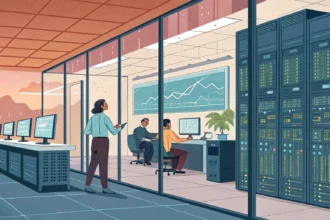


- Control: Who can start, stop, or modify a model in the field.
- Oversight: What logs, audits, and testing are required before use.
- Safety: How to prevent escalation, spoofing, or model drift.
- Access: Whether government users can fine-tune or inspect model internals.
These issues run through every negotiation. A single contract clause on audit rights or model weights can decide whether a deal closes or falls apart.
The Bigger Picture: Spending, Standards, and Guardrails
The Defense Department has raised spending on AI and autonomy programs in recent budgets, aiming to modernize logistics, intelligence, and command-and-control. The focus has shifted from proofs of concept to deployable systems that are reliable under stress. That means more tests, more red-teaming, and tighter integration with existing networks.
Regulators are also moving. The European Union’s AI Act and White House directives press for risk-based controls, transparency, and incident reporting. Those rules shape how companies build, ship, and update frontier models. For defense work, the bar is even higher: mission failure can cost lives.
Industry Impact and What Comes Next
The reported rift with Anthropic highlights a sorting process. Companies will pick lanes. Some will stay general-purpose and consumer-facing, with firm red lines around military use. Others will specialize in secure, on-premise, and tightly governed deployments for defense and critical infrastructure.
OpenAI’s measured steps into national security suggest a middle route. Carefully scoped projects—such as defensive cyber tools, planning aids, or data triage—may proceed with strict limits and oversight. That could set templates for contracting and compliance that others follow.
The next test will involve evaluations and transparency. Defense customers will ask for reproducible performance, adversarial testing, and clear fallbacks when models fail. AI labs will push for safe deployment patterns that do not expose core IP or weaken safeguards. The companies that can meet both sets of demands will win deals.
For now, the split has sharpened attention on the hardest questions in military AI: who is in charge when systems act quickly, how decisions are traced, and how to stop a model on a bad day. Watch for new procurement pilots, clearer policy from major labs, and contract language that defines control, logging, and shutdown in plain terms. Those details will shape which partnerships take root—and which do not—in the months ahead.