



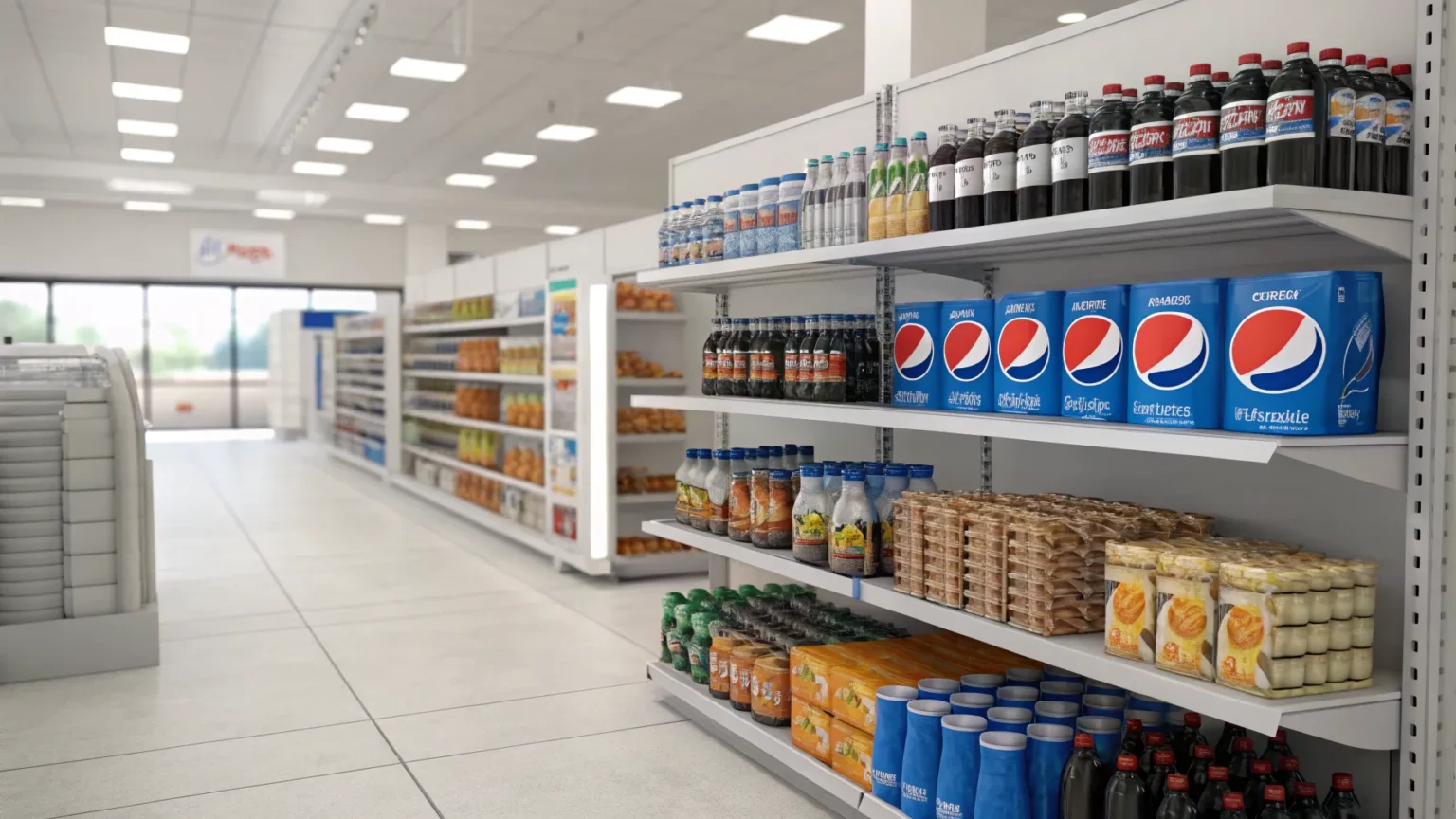
PepsiCo said Monday it will reduce prices and pare back its lineup of products under an agreement with an activist investor, signaling a shift after years of price-led growth. The company did not detail which items will be affected or how steep the cuts will be, but the change could ripple across grocery aisles and force rivals to respond.
PepsiCo plans to cut prices and eliminate some of its products under a deal with an activist investor announced Monday.
The decision follows an extended period of price increases across the food and beverage sector as companies managed higher costs for ingredients, packaging, and transportation. Consumers have pushed back, trading down to store brands and buying fewer units. Retailers have also pressed for more promotions to revive volume.
Why PepsiCo Is Changing Course
PepsiCo leaned on price increases to offset inflation from 2021 to 2023. That strategy lifted revenue but strained demand in some categories as shoppers became more price sensitive. Cutting prices could help restore volume, win back customers who traded down, and ease tensions with retailers seeking lower shelf prices.
Product cuts suggest a move to simplify the portfolio. Large manufacturers often trim slower sellers to free up shelf space, reduce complexity in factories, and focus marketing on bigger brands. Similar “SKU rationalization” efforts during the pandemic helped companies improve service levels and reduce costs.
The Activist Investor Factor
Activist investors commonly push for sharper focus, cost discipline, and clearer capital plans. Campaigns at consumer giants have led to divestitures, board changes, and tighter product strategies. PepsiCo has faced activist pressure before, most notably a push a decade ago to separate snacks and beverages. The company kept the businesses together and later emphasized productivity and brand investment.
This time, agreeing to price reductions and portfolio cuts shows the investor’s influence on operating strategy, not just financial structure. It also hints at a near-term priority: getting units growing again rather than relying on further price hikes.
What It Means for Shoppers and Retailers
Lower prices could show up first through heavier promotions and then permanent list price adjustments if the change sticks. Retailers may secure lower wholesale costs in exchange for better shelf placement and featured displays. Fewer items can make shopping simpler, though loyal buyers of niche flavors may lose favorites.
- Consumers could see more deals on core snacks and drinks.
- Retailers may gain simpler assortments and steadier supply.
- Distributors and suppliers could face volume shifts as lines are cut.
Competitive Pressure Across the Aisle
Price cuts from a major player can force peers to match. Snack and soda competitors have also relied on pricing to protect margins. If PepsiCo moves first, others may increase promotions to keep share, pressuring profitability. Private-label brands, which grew during inflation, could face tougher comparisons if price gaps narrow.


Portfolio trimming can also sharpen brand focus. Concentrating spending on top sellers often lifts category leaders and raises the bar for smaller challengers. But it can open niches for agile upstarts to capture consumers left behind by discontinued items.
Financial Trade-Offs and Risks
Lower prices can dent margins in the short term. Management will look to offset the hit through higher volumes, better factory efficiency, and savings from cutting low-turn SKUs. Retail partners may push for broader rollbacks if early moves boost sales.
The key question is elasticity. If unit demand responds strongly, revenue and profit can stabilize after the transition. If not, the company could face thinner margins without enough volume recovery.
What To Watch Next
Investors will look for specifics on timing, brands, and the scale of reductions. Any updates at upcoming earnings calls will be closely parsed for guidance on volumes, margins, and capital spending. Analysts will also track competitor promotions, retailer reactions, and category growth in snacks and carbonated drinks.
For PepsiCo, the plan marks a recalibration. Winning back value-seeking shoppers while simplifying the shelf could reset growth after a period defined by higher prices. The success of this strategy will hinge on execution, consumer response, and how quickly the industry follows.