




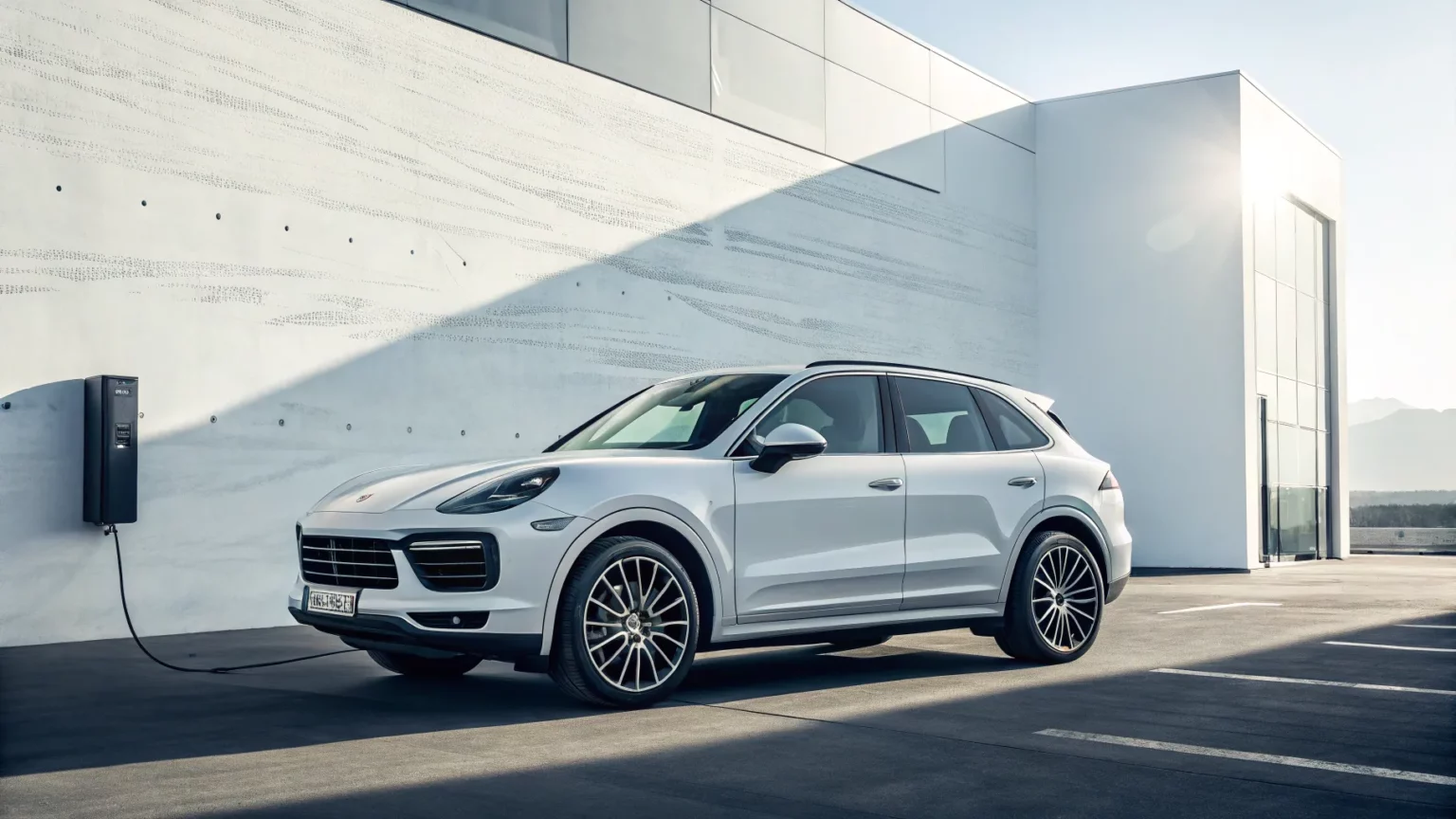
Porsche has unveiled an all-electric Cayenne and billed it as the most powerful production model in its history, raising the stakes in the luxury performance SUV market. The reveal, made Wednesday, signals the brand’s next major step in electrification as it seeks to defend its performance image while meeting tougher emissions rules in key markets.
The company framed the move as both a technological leap and a brand statement. In a short description of the new model, Porsche called it the “most powerful” series-production vehicle it has ever built, a title that would place the SUV above halo products from its sports car stable.
“Most powerful production vehicle ever made by the sports car company.”
Why This Matters Now
Porsche’s strategy is built on blending performance with daily usability, and the Cayenne has long been central to that plan. Since its debut in 2002, the SUV has become one of the brand’s top sellers and helped fund investments in new technology. Moving the Cayenne to a fully electric powertrain marks a decisive turn that could influence the company’s sales mix for years.
Global regulators are tightening fleet emissions targets, and premium buyers are showing stronger interest in high-end EVs. Porsche’s first EV, the Taycan, proved there is demand for a battery-powered performance car. The company followed with the Macan Electric, signaling that core SUVs are next in line for full electrification.
Power And Positioning
Porsche’s description centers on outright power rather than range or price. That emphasis suggests the new Cayenne aims to beat or match the brand’s current benchmarks set by its fastest Taycan variants and track-focused models.
While the automaker did not provide detailed specifications during the reveal, the language points to output and acceleration designed to lead the lineup. The claim also frames the Cayenne EV as a headline model that showcases Porsche’s electric drive technology under demanding SUV conditions.
What We Know And What’s Next
The company did not immediately release comprehensive figures for battery capacity, charging rates, or rated range. Those details typically follow in staged announcements, including regional homologation data and pricing tiers.
Expectations from previous Porsche launches suggest multiple trims, likely separating a range-focused version from top-performance variants. The brand has also leaned on advanced torque vectoring, two-motor or tri-motor setups, and track-tested cooling strategies to sustain repeatable performance—features that could carry over to the electric Cayenne.


Market Stakes And Competitors
The move puts Porsche into a sharper contest with rivals building high-performance electric SUVs. Buyers in this segment expect quick charging, strong range, and consistent acceleration, even under heavy use.
- Tesla’s Model X emphasizes efficiency and software features.
- BMW’s iX targets comfort with strong output in upper trims.
- Mercedes offers the EQE SUV and EQS SUV with luxury-forward cabins.
- Audi’s Q8 e-tron focuses on refinement and brand design language.
For Porsche, the advantage rests on track-bred tuning and driving dynamics. If the Cayenne EV delivers on repeated high-power runs without steep thermal drop-off, it could set a high bar for performance SUVs.
Brand Context And Sales
Porsche’s global deliveries recently topped the 300,000 mark, with SUVs accounting for a large share. The Cayenne and Macan have been volume leaders, and electric versions are critical to keeping that momentum while meeting fleet targets.
The Taycan established Porsche’s EV credentials with sports-sedan handling and quick-charging capability. The electric Cayenne extends those lessons to a heavier, taller vehicle, where chassis tuning, brake energy recovery, and battery cooling are more complex.
What To Watch
Several factors will determine how the Cayenne EV performs in the market. First is the final specification sheet, including range, fast-charging speed, and towing capacity. Second is pricing, which must balance the cost of high-output motors and large battery packs with customer expectations. Third is availability, as demand for premium EVs often outstrips early production.
Analysts will also watch whether Porsche introduces a performance package or track-focused trim, as it has done with other models, and how the vehicle handles sustained high-speed driving—an area where the brand has sought to differentiate its EVs.
Porsche’s proclamation of its most powerful production model sets an ambitious tone. The full picture will come into view as specifications, test data, and independent performance results surface. For now, the electric Cayenne signals a clear intent: keep the SUV at the heart of the brand while pushing its EV program up the performance ladder.