

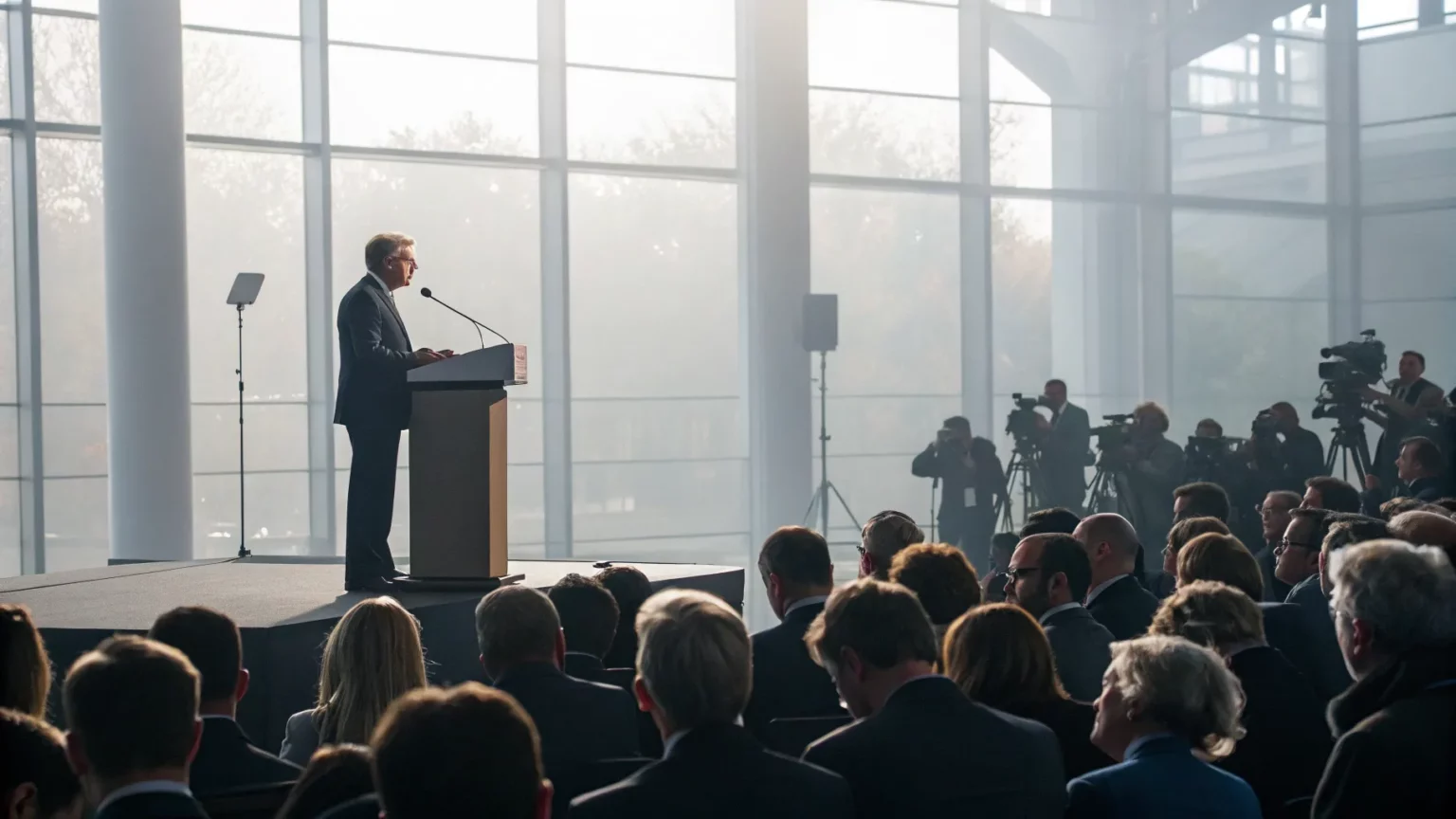
A terse warning from commentator Schwartz summed up the mood in many green rooms and boardrooms this week: the idea of a neutral stage is fading fast. The remark came as organizers, performers, and executives weighed whether to show up at high-profile venues, media hits, and cultural events that once promised safe ground.
The timing matters. With elections near and social feeds running hot, choices about where to appear can carry the weight of a campaign ad. Companies fear blowback. Artists brace for backlash. Audiences read meaning into every RSVP.
A Quote That Landed With Force
“It is no longer apolitical, and appearing there now has become a kind of ideological statement,” Schwartz said.
The line reflects concern that attendance itself signals allegiance. Even silence can sound loud in a season of quick judgments. For public figures, staying home can say as much as showing up.
How Neutral Stages Got Politicized
Few spaces are truly neutral anymore. Cultural halls, talk shows, and industry conferences have become stages where identity, policy, and branding collide. Some of this is structural. Partisan media sets tight frames. Algorithms reward outrage. Every clip is instantly shareable, memed, and litigated in comments.
There is also a new expectation that people in the spotlight take stands. Fans ask for clarity. Critics demand consistency. Sponsors track sentiment by the hour. The result is a loop where appearances double as statements, whether intended or not.
- Social media turns brief cameos into lasting labels.
- Sponsors and partners track political reactions in real time.
- Audiences interpret attendance as endorsement.
The Risk Calculus for Public Figures
Behind the scenes, bookers and managers now build politics into basic planning. What does this stage signal? Who else is on the bill? How will clips be edited? These are standard questions before a car door even opens.
Supporters of showing up argue that engagement beats retreat. They say conversation requires contact, and ceding the stage only narrows debate. Critics counter that some venues have become performance pits where good faith is in short supply. They ask why anyone would risk being turned into a weekend hashtag.
Schwartz’s point lands squarely here. The cost of appearing is no longer just time and travel. It may include public identity, brand alignment, and personal safety.


What Organizers Are Trying
Some hosts are adjusting formats to lower the temperature. They set clear ground rules, publish editorial guidelines, and balance lineups. Others lean into their audience and stop pretending to be neutral. That clarity can steady bookings, but it also narrows who will come.
A few groups now offer pre-interview briefings and content agreements to avoid ambush moments. Critics call that stage-managed. Guests call it guardrails. Either way, it shows an industry adapting to the new risk map.
Audiences, Trust, and the “Signal Problem”
Audiences are not passive in this shift. Many want content that reflects their values. They also want lively debate without cheap shots. That tension fuels the “signal problem”: people read more into a booking than the booker intends.
Trust is the swing vote. If viewers trust the host and the format, they grant grace. If not, every appearance looks like a coded message. In that climate, neutrality is fragile, and perception often outruns fact.
What To Watch Next
Expect more selective attendance, sharper messaging, and tighter control over clips. Expect boycotts and counter-boycotts. Also expect surprises when a guest crosses the divide and the room listens.
Schwartz’s warning is less a verdict than a weather report. The skies are stormy. People still need to travel. That means checking forecasts, packing well, and knowing when to reroute. For now, the safest rule may be the simplest: treat every stage as a statement, and plan as if the mic is always on.
The big question is whether any venue can rebuild a sense of fair play. If a few can, they will stand out. If not, public life will keep sorting into camps, and every appearance will read like a vote.