


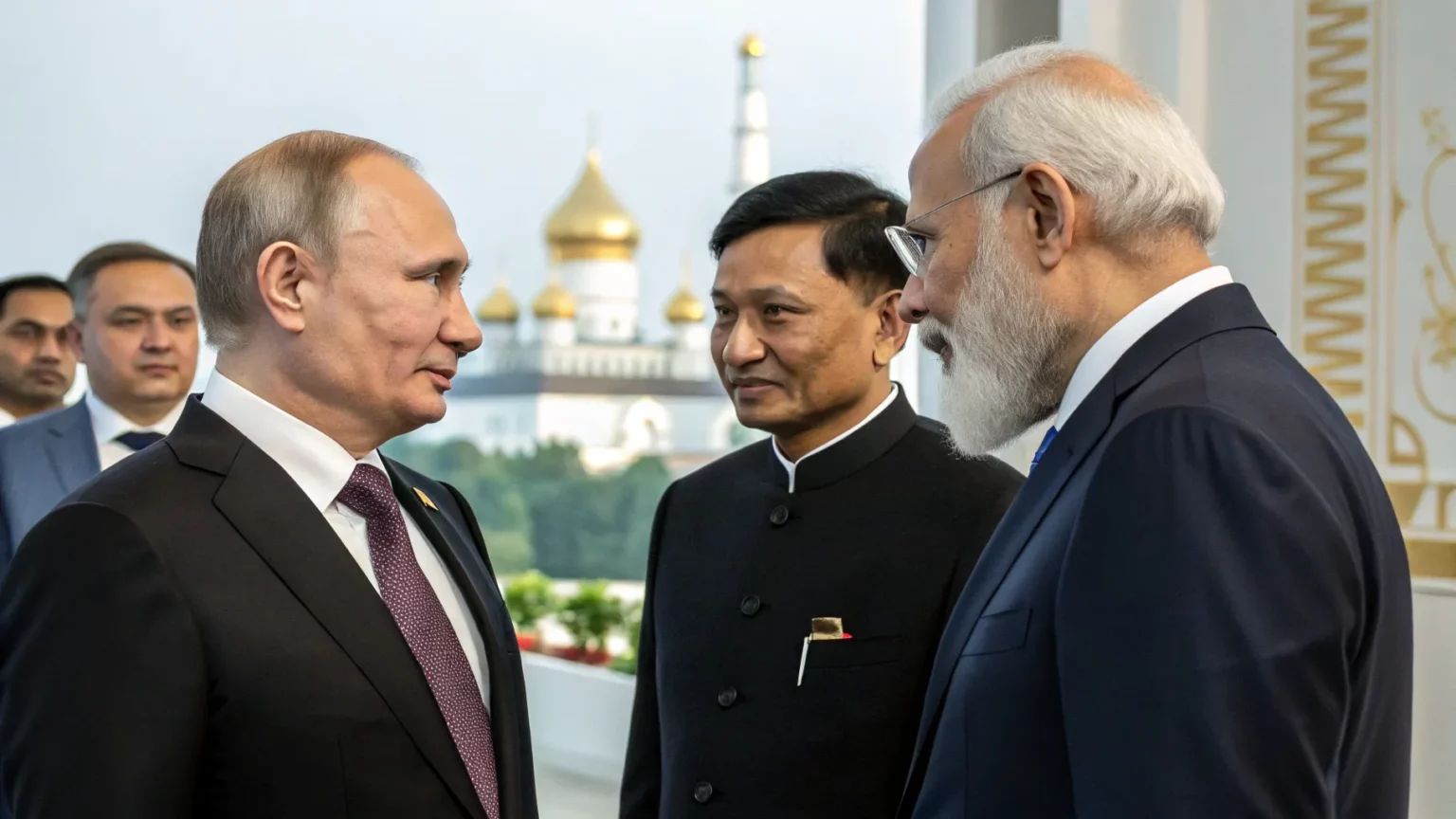
Russian President Vladimir Putin is expected to visit India in December, signaling steady ties between Moscow and New Delhi as the war in Ukraine continues. The trip would bring Putin back to one of Russia’s oldest partners for talks on energy, trade, and defense cooperation. It also sets up a major diplomatic test for India as it balances relations with Russia, the United States, and Europe.
“Russian President Vladimir Putin will make a visit to India in December as the two countries continue to strengthen ties despite the Kremlin’s war on Ukraine.”
The visit would likely revive the tradition of annual India–Russia summits, which stalled after Russia’s 2022 invasion of Ukraine. It could be Putin’s first visit to India since December 2021, when he met Prime Minister Narendra Modi in New Delhi.
Long Partnership Under New Strain
India and Russia share decades of cooperation dating back to the Cold War. Russia has been a key supplier of defense equipment and nuclear technology to India. Ties cooled after the invasion of Ukraine, but they did not break.
India chose not to join Western sanctions and instead increased purchases of discounted Russian oil. This helped keep India’s fuel prices stable while providing Russia with a steady market. Trade between the two countries has grown sharply since 2022, with total goods trade crossing tens of billions of dollars in the last financial year.
Still, the relationship faces pressure. The trade imbalance has widened in Russia’s favor because oil imports dominate. Payment hurdles remain due to sanctions on Russian banks. Indian exporters say they struggle to get paid in rupees or find reliable channels.
Energy And Trade At The Center
Energy will be a central topic during the visit. India has emerged as one of the largest buyers of Russian crude. Refiners process that oil and sell products at home and abroad. Shipping, insurance rules, and price caps have complicated flows, but volumes stayed strong.
Officials are expected to discuss steps to reduce the trade gap. That could include more Indian exports of pharmaceuticals, machinery, and agricultural goods. Banking and currency settlement systems will also be in focus to ease delays.
- Russian crude has become a key source for Indian refiners.
- The trade gap favors Russia due to high oil imports.
- Payments and shipping insurance remain persistent hurdles.
Defense Cooperation And Its Limits
Russia has supplied most of India’s legacy military kit, including fighter jets, tanks, and submarines. Ongoing projects include S-400 air defense systems and joint production of AK-203 rifles. Russia also supports the Kudankulam nuclear power project in Tamil Nadu.

At the same time, India is diversifying suppliers. It has signed major deals with France for Rafale jets and with the United States for helicopters and drones. Delays in Russian spare parts and ammunition during the war have reinforced India’s push for local production.
Analysts expect the leaders to review timelines for deliveries and maintenance support. A roadmap for co-production and technology transfer could be on the table, with an eye on reducing disruptions.
Diplomatic Balancing And Global Reaction
Putin’s travel plans often draw scrutiny since the International Criminal Court issued an arrest warrant in 2023. India is not a party to the ICC treaty, which lowers legal risk for the trip. Still, Western partners will watch closely.
New Delhi’s stance has been consistent: call for dialogue, avoid public condemnation of Moscow, and protect national interests. After Prime Minister Modi met Putin in Moscow in July, Indian officials said the focus was on ending violence and securing stability. The December visit would extend that approach.
Ukraine’s supporters in Europe and the United States are likely to press India to curb support that helps Russia’s economy. Indian officials argue that energy security and inflation control are priorities at home.
What To Watch
The visit’s outcomes will turn on a few practical issues more than headline statements. Progress on payment systems, shipping insurance, and trade balance will signal whether both sides can manage sanctions risk and supply chain stress.
Defense talks will show if India can sustain legacy systems while accelerating local manufacturing. Any steps to deepen joint production would carry weight for long-term security planning.
If leaders issue a clear statement on Ukraine, it will likely emphasize dialogue and humanitarian relief rather than sanctions or military moves.
Putin’s December trip, if confirmed, would mark a fresh test of India’s strategic autonomy. It offers Moscow a friendly stage and gives New Delhi leverage on oil, defense, and payments. The key measure of success will be concrete fixes to trade and logistics. Watch for announcements on settlement mechanisms, delivery schedules, and new export lines that can narrow the gap. The choices made in New Delhi could shape India–Russia ties, and their ripple effects, well into next year.