


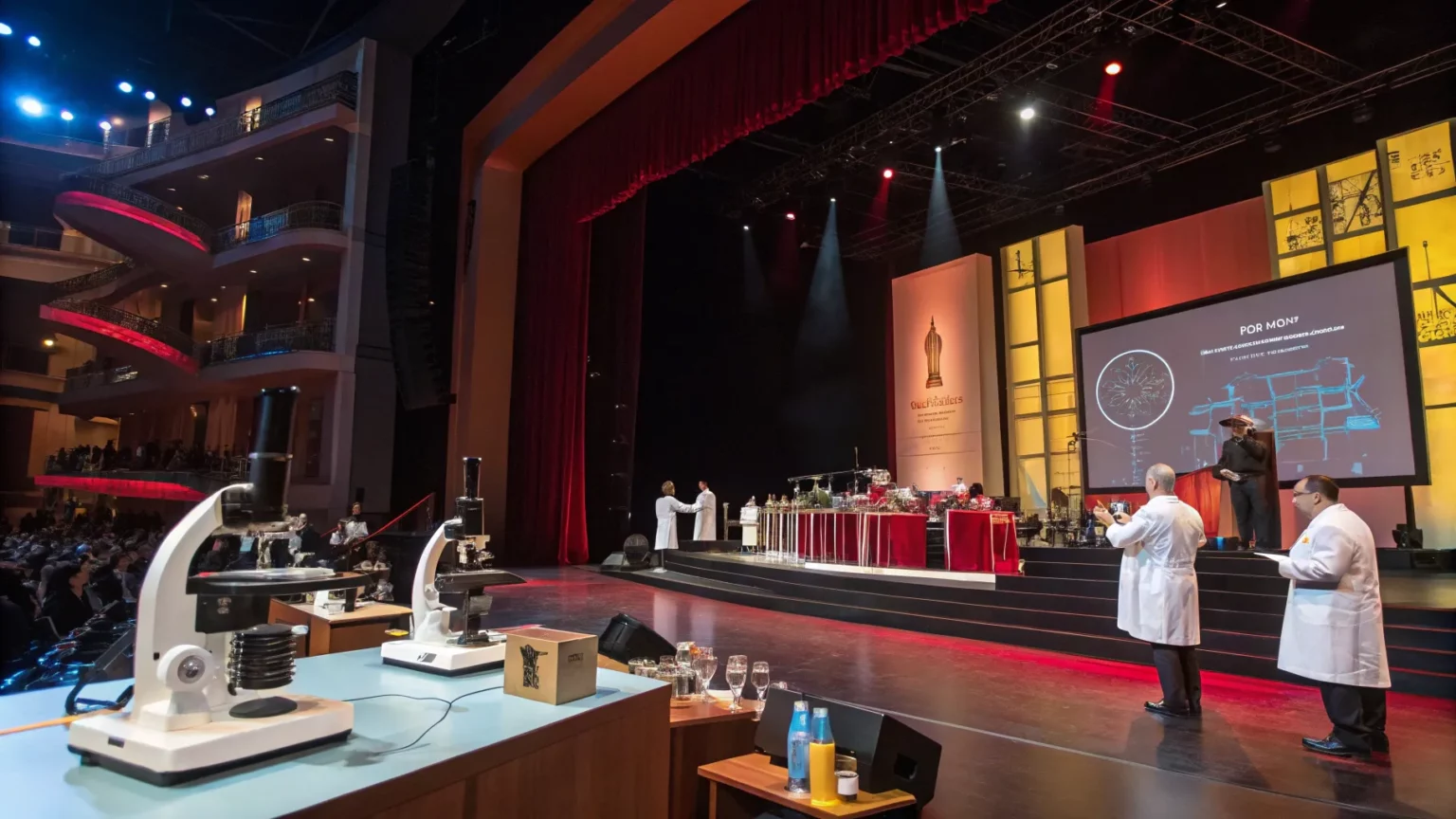
An annual award ceremony known for playful science returned with a mash-up of miniature operas, hands-on demonstrations, and a marathon of lightning lectures. The event, held each year for fans of curious research, draws students, scientists, and the science-curious for a show that blends performance and ideas. Organizers say the goal is to celebrate inquiry while making it easy to enjoy.
The program’s signature features are short stage works built around research themes, quick demos that bring studies to life, and “24/7 lectures,” a rapid format that keeps speakers honest and audiences alert. Supporters praise the show for making complex topics feel close. Skeptics wonder if the spectacle can hide the science. The mix continues to spark debate about how to talk about research in public.
A Stage Where Science Plays
Music, humor, and data share the same spotlight. Miniature operas give abstract ideas a storyline, and scientists step into roles that invite laughs and questions. The program’s message is straightforward: learning does not have to be stiff. It can be strange, brief, and fun, while still pointing to real evidence.
“The annual award ceremony features miniature operas, scientific demos, and 24/7 lectures.”
That promise anchors the night. Short dramatic scenes are paired with lab props and visual gags. The result is a vibe closer to a festival than a conference, while still grounded in studies that passed peer review or inspired fresh work.
Why Audiences Keep Coming Back
Fans say the format lowers the barrier to entry. A casual viewer can grasp the core of a study in minutes. A teacher can turn a segment into a classroom spark. For many attendees, the show is a first contact with primary research that does not feel like homework.
- Mini-operas turn methods and findings into scenes and songs.
- Live demos let audiences see cause and effect onstage.
- Fast lectures deliver key points without jargon or filler.
The mix also gives researchers a rare chance to stress-test their own explanations. If an idea lands with a room full of non-specialists, it may be ready for a wider public.
The 24/7 Lectures
The “24/7” slot is the night’s sprint. Speakers give a super-short version of their field, then a slightly longer take that adds flavor and limits tangents. The strict timing forces clarity. There is no space for slides packed with tiny text or meandering detours.
Attendees describe the format as a filter against buzzwords. It rewards plain language and sharp examples. The approach has found fans at other gatherings that want to keep talks tight and focused.



Support, Skepticism, and the Line Between Show and Study
Advocates argue that public trust in science grows when research feels approachable. They point to the event’s track record of sending viewers to read full papers after the show. Many participants say the night plants seeds that later lead to classes, clubs, and collaboration.
Critics worry the humor can flatten nuance. A catchy chorus might overshadow limits or methods. Organizers counter that the point is not to replace journals, but to give people a reason to seek them out. They frame the show as an entry point, not the final word.
Signals for Science Communication
This year’s turnout and engagement suggest growing demand for formats that mix art and inquiry. Museums and universities are testing pop-up demos, staged readings of studies, and timed talks in cafes. The shared goal is to keep attention while keeping facts straight.
Case studies from past seasons show that playful settings can drive serious outcomes. Some researchers report new citations after their performances circulate online. Others describe student sign-ups that spike after a lively demo makes the rounds.
The latest edition stayed true to its formula: short, smart, and slightly odd. It showed that a song can carry a concept, a prop can unlock a method, and a strict clock can sharpen thinking. Watch for more institutions to borrow the 24/7 idea, expand live demonstrations, and test story-driven formats in the year ahead. The debate over where showmanship ends and substance begins will continue, but the crowd keeps voting with its feet.