




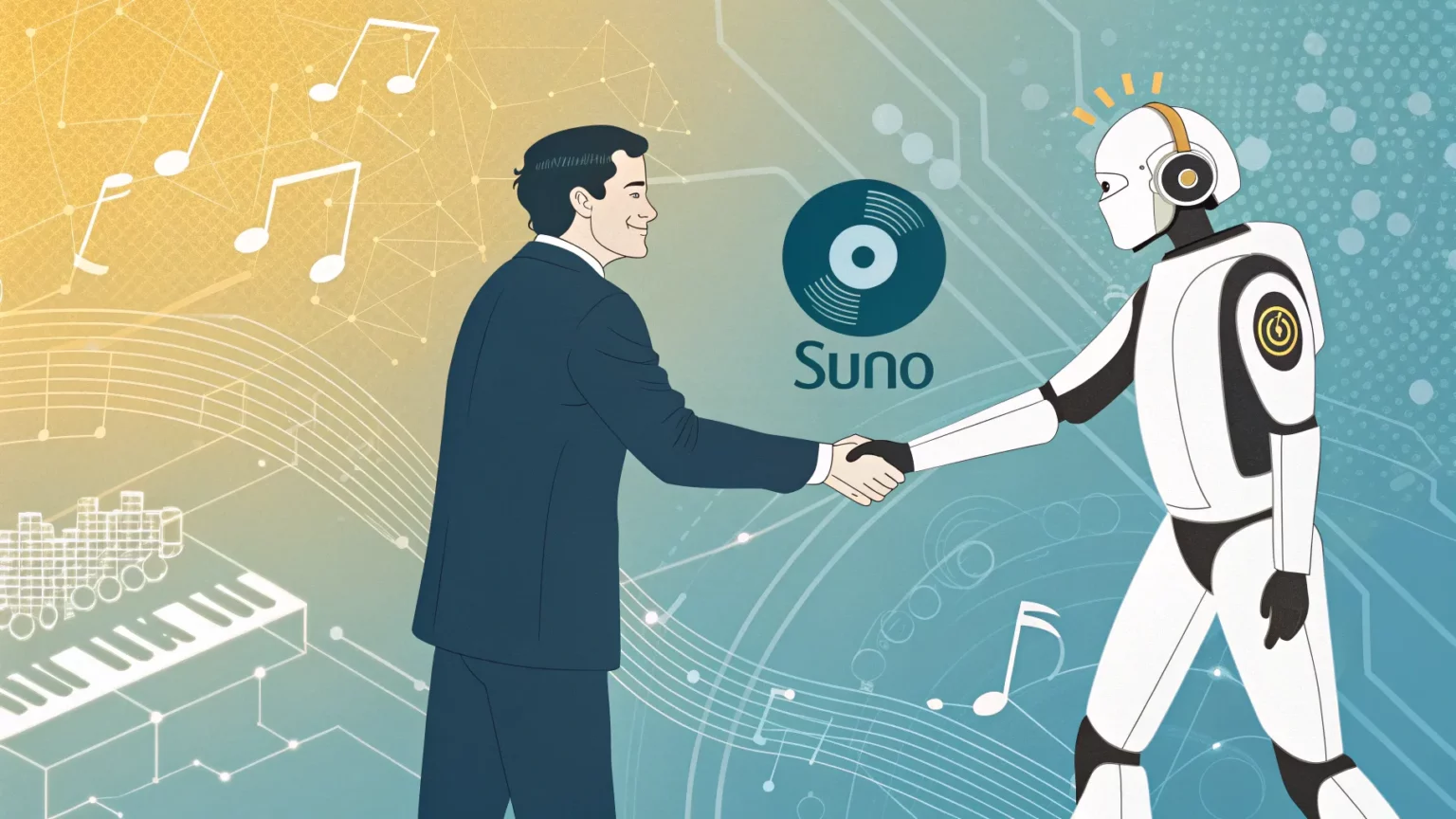
A major record label has agreed to partner with AI music start-up Suno after resolving a lawsuit, signaling a shift from courtroom battles to collaboration. The deal pairs an established music company with a fast-rising tech firm that builds tools to generate songs with text prompts. It follows months of legal pressure over how AI systems use recorded music. The move suggests a new phase in how the industry may seek to manage and monetize AI rather than fight it outright.
“The label is going into business with tech start-up Suno after settling a lawsuit against the company.”
Settlement Signals a Strategy Change
The settlement ends a dispute that centered on copyright and the use of recordings in training data. While terms were not disclosed, the decision to work together points to a negotiated framework for using catalogs in AI tools. It also hints at revenue sharing, guardrails for artists, and clear attribution rules. The label appears to be trading legal uncertainty for controlled access and new income streams.
Suno has been one of the most visible AI music platforms in the past year. Its tools can create vocals, lyrics, and arrangements that resemble popular styles. That ability drew attention from rights holders who argued that training on commercial music, without a license, violates copyright. AI companies countered that their systems learn patterns and do not reproduce specific recordings unless prompted to do so.
Why AI Music Triggered Lawsuits
Record labels have worried that AI-generated songs could flood streaming services and cut into royalties. They also warn that soundalike outputs can blur the line between inspiration and imitation. In 2024, several labels filed suits against AI music start-ups, including Suno, claiming unauthorized use of recordings in training. Those cases raised core questions about fair use, consent, and compensation.
Lawmakers in the United States and Europe have discussed rules for training data and voice cloning. Regulators are tracking how AI systems might copy an artist’s voice or style without permission. Artists have echoed these concerns, urging control over their names, voices, and likenesses. The settlement suggests one path: license the data, limit risky features, and pay creators.
What the Partnership Could Include
Neither side has released details. But industry agreements of this kind often cover:
- Licenses to use parts of a catalog for model training and product features.
- Filters to reduce soundalike imitations of named artists.
- Attribution tools and opt-outs for talent who do not want participation.
- Revenue shares or minimum payments tied to usage and outputs.
- Transparency reports on how data is used and protected.
Such terms aim to keep AI output from copying protected works while allowing new features. If successful, the approach could become a template for other labels and AI firms.
Impacts for Artists and the Market
For artists, the key questions are consent and pay. A licensed model can set rules for whose work may be used and how. It can also fund a pool to pay rights holders when AI outputs drive use or sales. That is easier to audit under a formal agreement than in open, unlicensed systems.


For the label, the upside is control and new products. It can test AI tools for songwriting aids, fan engagement, and remix features, while reducing legal risk. For Suno, the benefit is legitimacy and access to high-quality data under clear terms. That can improve product quality and help attract partners.
Streaming platforms are watching these moves. Licensed AI tracks and tools could be tagged, ranked, or limited in ways that reduce spam. Over time, services may require proof that AI songs come from licensed systems, much as they do for sample clearance.
What Comes Next
The agreement could nudge other lawsuits toward settlements. It may also push rivals to seek deals rather than risk long fights with uncertain outcomes. If more licenses emerge, the AI music market could mature into a regulated part of the business, with clear gates and payouts.
Yet many open issues remain. Voice cloning and deepfakes still challenge enforcement. Small artists may need simpler tools to opt out or get paid. And global rules differ, so one deal does not fix the entire problem.
The partnership shows that compromise is possible. It trades conflict for structure, and it tests whether licensed AI can support both innovation and creator rights. The next few months will show if others follow this model, and whether users embrace AI music that pays the people who shaped it.