




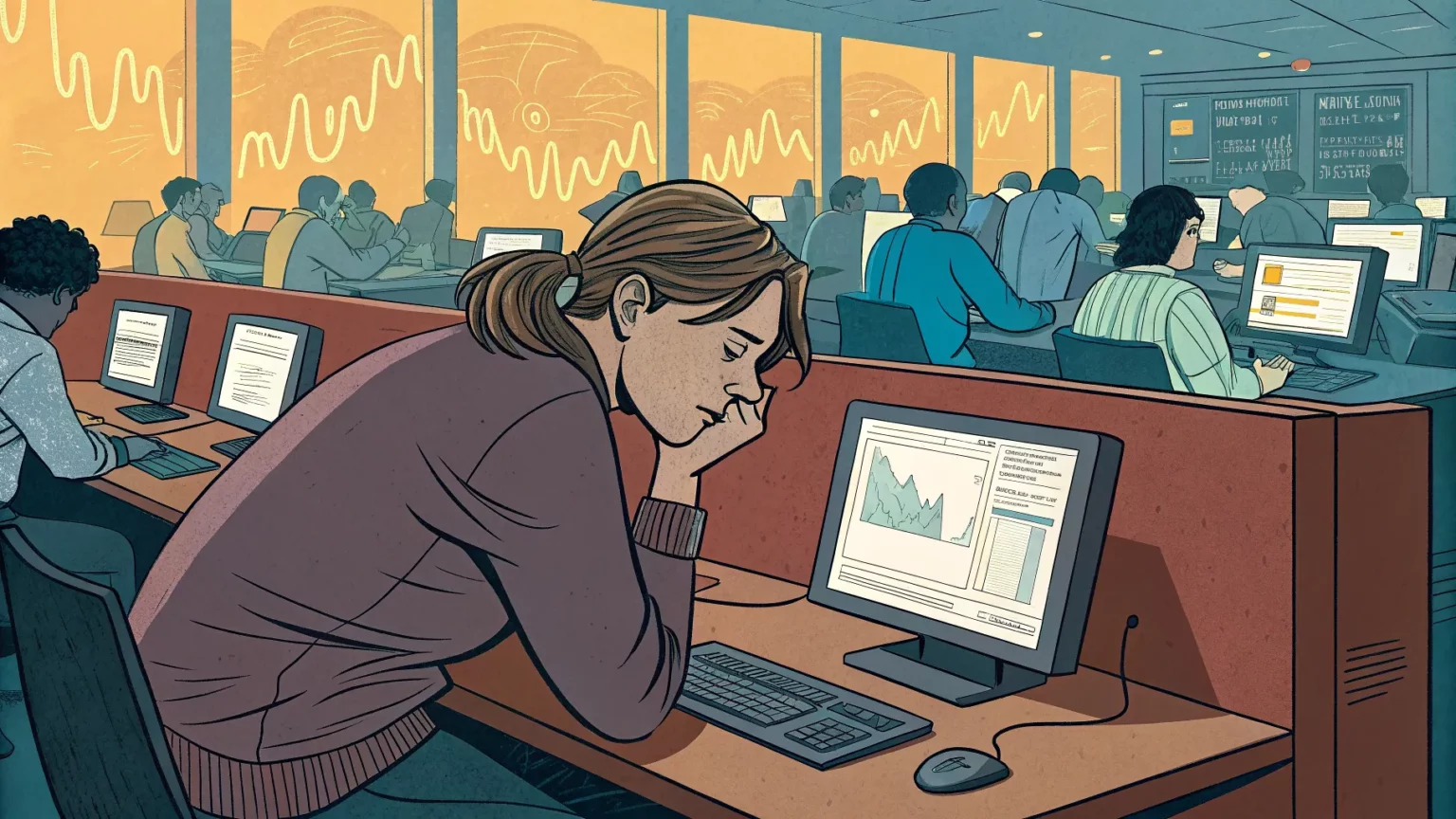
As governments, schools, and companies rush to digitize every task, a growing chorus argues that society may be placing too much weight on technology to solve human problems. The debate touches policy, budgets, hiring, and public trust. It raises a core question: when does a tool become a distraction from the hard work of service, teaching, and care?
The concern comes amid heavy spending on software, cloud services, and AI pilots. Leaders say they want efficiency and better outcomes. Critics warn that quick fixes can crowd out staff training, maintenance, and direct support for people. The tension is now visible across sectors and regions.
How We Got Here
For two decades, leaders have tied progress to digital adoption. Smartphones, cloud computing, and social platforms reshaped communication and commerce. During the pandemic, remote tools kept offices and classrooms running. That success made technology the default answer to many challenges.
But not every problem is technical. Aging infrastructure, staff shortages, and policy gaps require long-term planning. Technology can help. It cannot replace clear goals, defined workflows, and accountability. When those basics are weak, new systems add cost and complexity without clear gains.
When Tools Outrun Needs
In workplaces, managers often implement new software before mapping the job to be done. Employees face extra steps, alerts, and dashboards. Time saved in one task can be lost in another. Productivity plateaus while subscriptions grow.
In schools, devices arrive faster than lesson redesign or teacher support. Test scores do not move if tools are not tied to instruction. Students with unreliable internet fall further behind. Hardware alone cannot fix funding gaps or class size.
In healthcare, patient portals and AI triage promise speed. Yet clinicians report more screen time and less face time. Digital records improve access to data, but poorly tuned systems slow visits and fuel burnout. The cost of upgrades can delay hiring nurses and support staff.
The Budget Trade-Off
Spending has shifted from capital to ongoing licenses and services. That can be smart, but it creates long-term obligations. Leaders face tough choices: invest in people, update facilities, or add another layer of software.



Strong procurement helps. Clear problem statements, pilot goals, and exit plans reduce waste. Independent evaluations and public reporting increase trust. Without this discipline, projects linger while needs on the ground remain unmet.
Measuring Real Value
Enthusiasm often outpaces evidence. New tools arrive with promises of savings and speed. The proof should be in user experience, service quality, and outcomes, not only in adoption counts.
Good measurement asks simple questions. Did wait times fall? Did errors drop? Did workers gain time with clients, patients, or students? Are services more accessible to people with disabilities or low income? If not, the approach needs a reset.
Balancing Human and Digital Work
A sustainable approach puts people first. Technology should support the craft of teaching, care, and public service. It should reduce low-value tasks and let experts do the work only they can do.
- Start with the problem and the workflow.
- Co-design with frontline staff and users.
- Pilot small, measure, and adjust or stop.
- Fund training and maintenance, not just launch.
- Protect privacy and explain decisions.
What Comes Next
Pressure to deploy AI will grow. Some uses will help, like summarizing notes or flagging errors. Others will disappoint if they replace judgment or deepen inequities. Leaders who set guardrails and demand proof will make better choices.
Public patience is thin for expensive tools that do not work. Clear goals, transparent results, and honest course corrections matter. That is how institutions keep trust while using technology where it fits best.
The debate is not anti-technology. It is about fit, timing, and value. The next phase favors careful selection, service design, and steady measurement. Watch for organizations that shift spending from hype to outcomes. Their results will show whether technology is helping the work that matters most.