


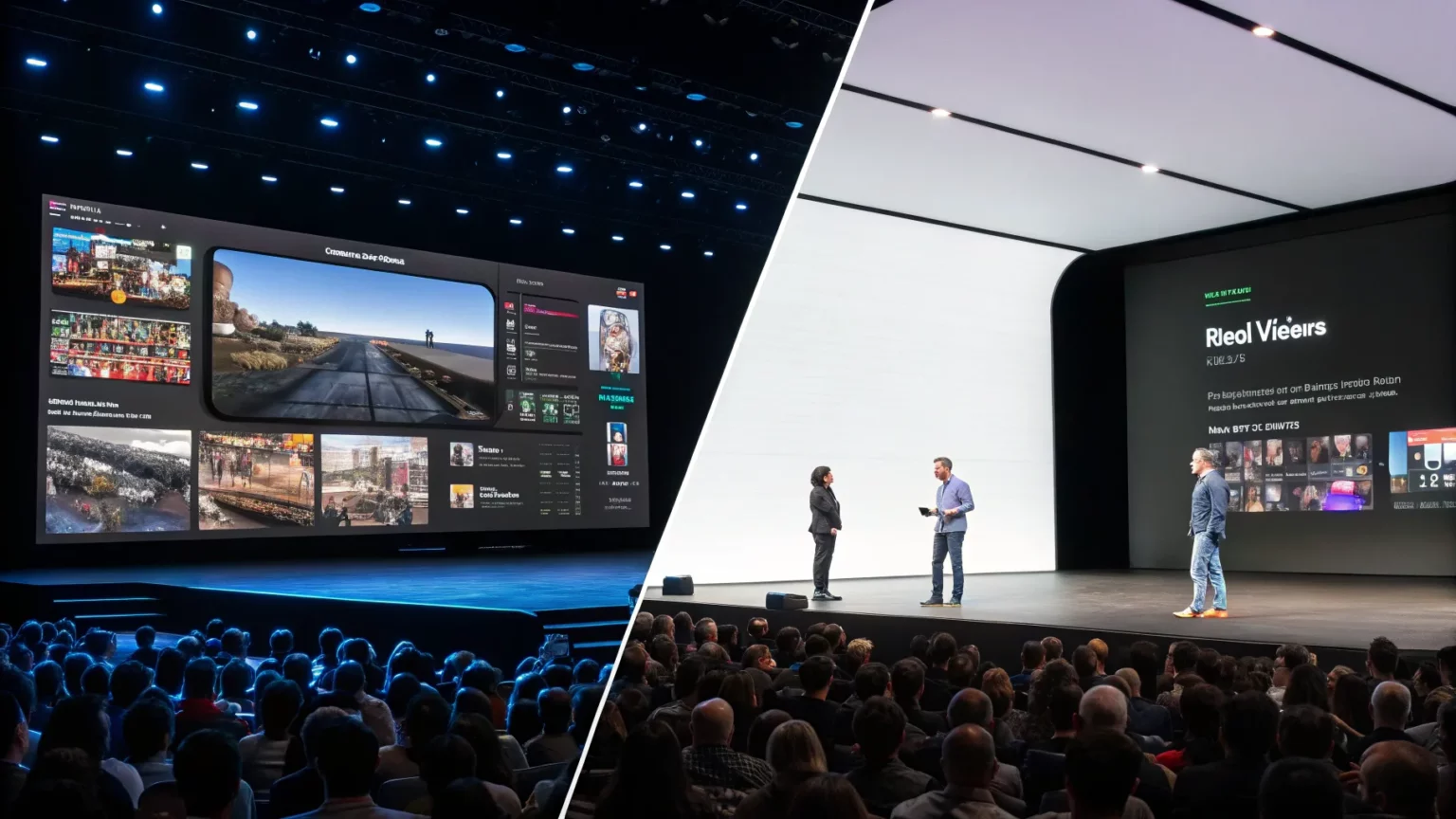
Two competing ideas for how people will watch, pay for, and engage with stories are coming into sharp focus, setting the stage for a high-stakes reset across the entertainment industry. At the center are dueling models: one built on data-heavy platforms, the other rooted in live events and creator-led communities. The debate is no longer abstract. It touches how shows get made, how creators get paid, and what audiences see first.
As one participant summed up the divide, “They present rival visions for the future of entertainment.” That future will be shaped by choices on pricing, release schedules, discovery, and the role of artificial intelligence. The outcomes could shift where investment flows and which stories reach global scale.
Two Paths: Platform-First vs. Experience-First
The platform-first path is driven by streaming services and social apps that use constant feedback to guide programming. The idea is simple: meet audiences where they are, on any screen, with on-demand access and personalized feeds. Release windows can compress to hours. Binge drops can spike sign-ups and sway attention.
The experience-first path leans on theaters, live tours, fan events, and appointment viewing. It favors weekly releases that build conversation and cultural moments. It treats a film premiere, a stadium show, or a live-streamed finale as a must-see event, with scarcity used to spark demand and drive premium pricing.
Each path has trade-offs. Platforms can scale quickly but fight churn and rising acquisition costs. Events can command high margins but face venue limits and weather risk. Many companies now try hybrids, yet the strategic center of gravity still matters.
Money, Models, and the Price of Attention
Revenue models split much like the visions. Subscriptions and algorithmic ads drive the platform camp. Bundles promise value while masking higher individual prices. On the other side, ticketing, merchandise, and sponsorships carry the load for experiences, with direct-to-fan sales gaining traction.
- Platforms: subscription tiers, ad-supported plans, content licensing, data-led merchandising
- Experiences: theatrical runs, tours, collectibles, premium fan clubs, limited digital drops
Attention is the scarce resource in both models. Platforms spend on discovery tools and recommendations to keep viewers inside one app. Experience-led efforts spend on moments that turn casual fans into loyal communities. The line between marketing and content blurs in each case.
Creators at the Center of the Split
For writers, directors, musicians, and streamers, the fork in the road affects pay and control. Platform-first deals often favor upfront fees and performance-based bonuses tied to watch time. Experience-first deals can give a larger share of downstream revenue, especially where ticketing and merchandise are strong.

Ownership is a flashpoint. Some creators push for rights that travel across formats. Others accept buyouts for instant reach. The balance of power can swing with one breakout hit, changing terms in the next round of negotiations.
Technology’s Role: AI, Data, and Discovery
AI recommendation tools sit at the core of the platform vision. They can surface niche titles and extend the life of older catalogs. They also shape what gets greenlit, as past performance guides future bets.
The experience camp uses tech in different ways: dynamic pricing for tickets, real-time fan engagement, and short-form clips to fuel demand for live or weekly tentpoles. Each side worries about overreliance on one channel. A single algorithm change or a weak theatrical quarter can ripple across a slate.
What Viewers Want Next
Audiences have shown they will pay for convenience and for spectacle. That puts pressure on companies to deliver both. Services test ad tiers that lower monthly fees while adding more commercials. Event sellers bundle perks such as early entry, exclusive content, or meetups to justify premium prices.
“They present rival visions for the future of entertainment.”
The quote reflects a broader truth: viewers now choose between always-on access and appointment events that feel special. Many will choose both, depending on the moment.
What to Watch
Several signals will reveal which vision gains ground: the pace of consolidation among streamers, the health of theaters, the strength of touring, and how creators negotiate rights. Watch for smaller services to fold into bundles, while the biggest players push deeper into live sports, gaming tie-ins, and global releases.
For now, neither vision has won. Platforms excel at reach. Events excel at passion. The most durable strategies seem to borrow from both, pairing steady on-demand libraries with cultural peaks that cut through the noise.
The next year will test how far each side can stretch. Expect tighter budgets, sharper deal terms, and more experiments in pricing and release timing. The companies that match format to story—and respect what audiences value in each—will set the tone for what comes next.