



Rivian drew praise from investors for its push into AI and automation, yet the electric vehicle maker still faces weak demand and heavy funding needs. The company’s message thrilled markets this week, as it framed software and factory automation as keys to lower costs and better margins. But the path to sustainable growth remains uncertain, with pricing pressure across the EV market and a tight capital environment weighing on plans.
“Rivian impressed Wall Street with its plans for AI and automation, but significant challenges involving demand and capital remain for the EV maker.”
Why It Matters Now
EV makers have raced to scale production while consumer interest cooled from early highs. High interest rates, dealer inventories across the sector, and buyers waiting for tax credits or cheaper models have slowed orders. Many automakers cut prices to protect share, squeezing margins. In this setting, AI-led efficiency is a strong message to investors seeking a route to lower costs.
Background: Promise Meets a Tough Market
Rivian launched with strong brand hype and early preorders. It positioned itself with premium trucks and SUVs and focused on vertical integration. That strategy demands steady cash and consistent volume. The broader EV segment has swung from tight supply to cautious buyers in under two years. Some competitors delayed plants, trimmed output, or refocused on hybrids. These shifts set a hard backdrop for any company trying to scale.
Inside the AI and Automation Pitch
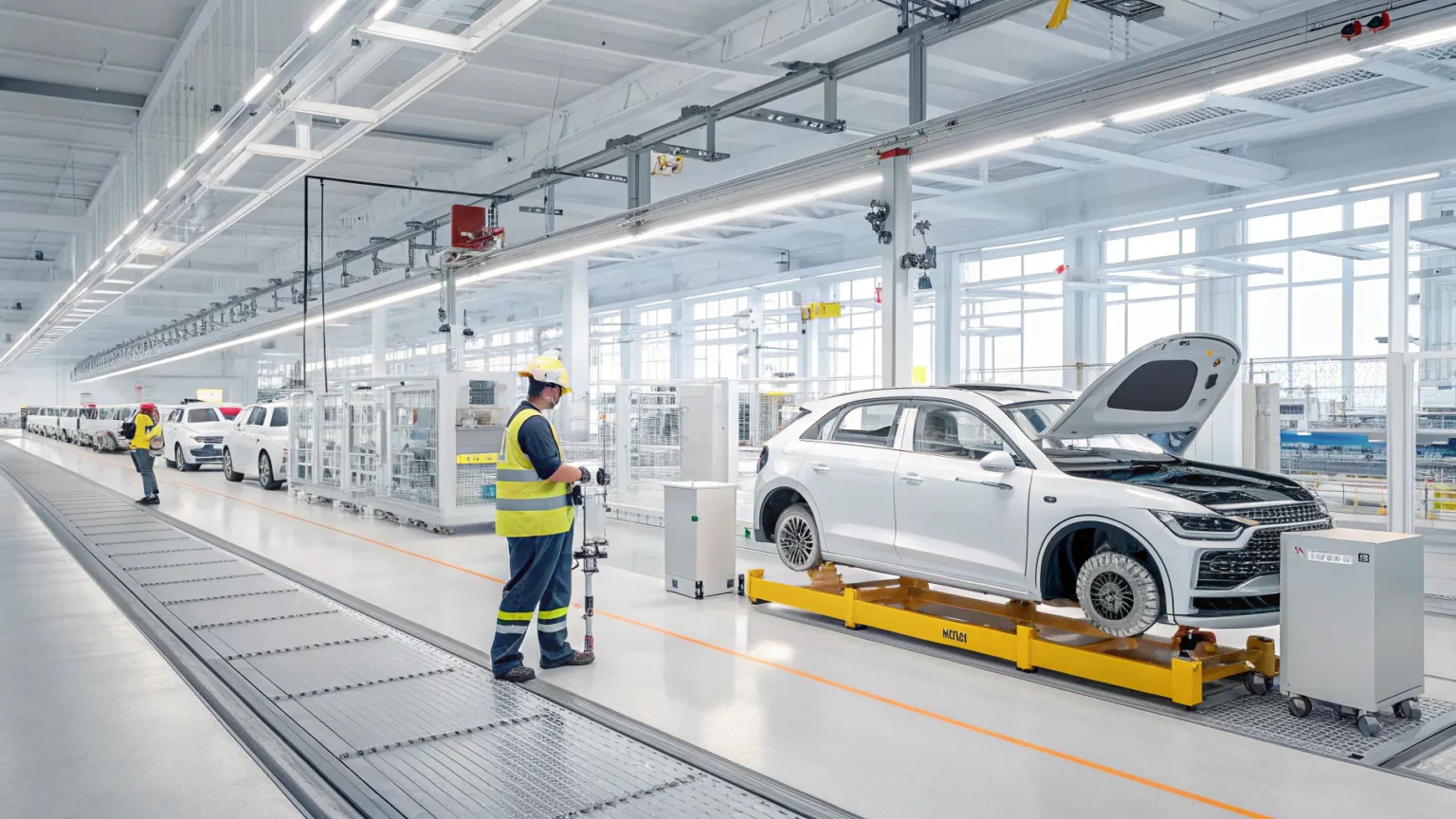
The company is leaning on AI to improve manufacturing, logistics, and software features. Automation in assembly can cut defects and speed output. Data tools can optimize parts flow and staffing. On the vehicle side, machine learning can enhance driver-assistance and energy management.
Analysts reacting to the plan said the focus is clear: less waste, faster throughput, and better customer features over time. If executed, that could shrink unit costs and help the company price more competitively without eroding margins.
Demand and Pricing Pressure
The core challenge is demand. The EV market has softened as affordability issues persist. Monthly payments remain high due to financing costs. Incentives help, but they do not solve price sensitivity for many buyers. Rivian sits in a premium segment, where competition from established brands and new entrants is growing.
- Price cuts across the sector have trained buyers to wait for deals.
- Charging access and battery range still influence purchase timing.
- Fleet and commercial orders can help, but timing is uncertain.
Without stronger order growth, factories risk underutilization, which raises per-vehicle costs and strains cash.
Capital Needs and Investor Sentiment
Scaling EV production is expensive. Tooling, suppliers, software hires, and warranty reserves demand cash. Markets rewarded the AI message, but investors still want proof of cost cuts, stable production, and a clear path to positive free cash flow. New equity would dilute shareholders. New debt would raise interest costs. Partnerships or joint ventures could spread risk but may add complexity.



The key is timing. If efficiency gains arrive before cash tightens, confidence will grow. If not, the company may need fresh funding on less favorable terms.
What Execution Must Prove
AI and automation can help only if they reach the line and the driver fast. That means disciplined rollouts, careful change management, and measurable results.
- Manufacturing: defect rates, cycle times, and yield should improve.
- Costs: material and labor per unit should fall quarter over quarter.
- Product: software updates should add value customers can feel.
Clear targets and transparent reporting will shape market trust.
Industry Outlook
The EV sector is resetting expectations. Companies with efficient factories, flexible pricing, and sticky software revenue are better positioned. Those with high costs and narrow product lines face pressure. Rivian’s plan speaks to this shift. The company is betting on smarter operations rather than expansion at any cost.
Rivian’s AI push offers a credible route to leaner production and better features, but the harder tasks are stoking demand and securing affordable capital. If it hits efficiency milestones and stabilizes orders, skepticism could ease. Watch for concrete cost metrics, delivery guidance, and funding plans in the coming quarters. The next few updates will show whether optimism on AI can hold against the realities of the EV market.