



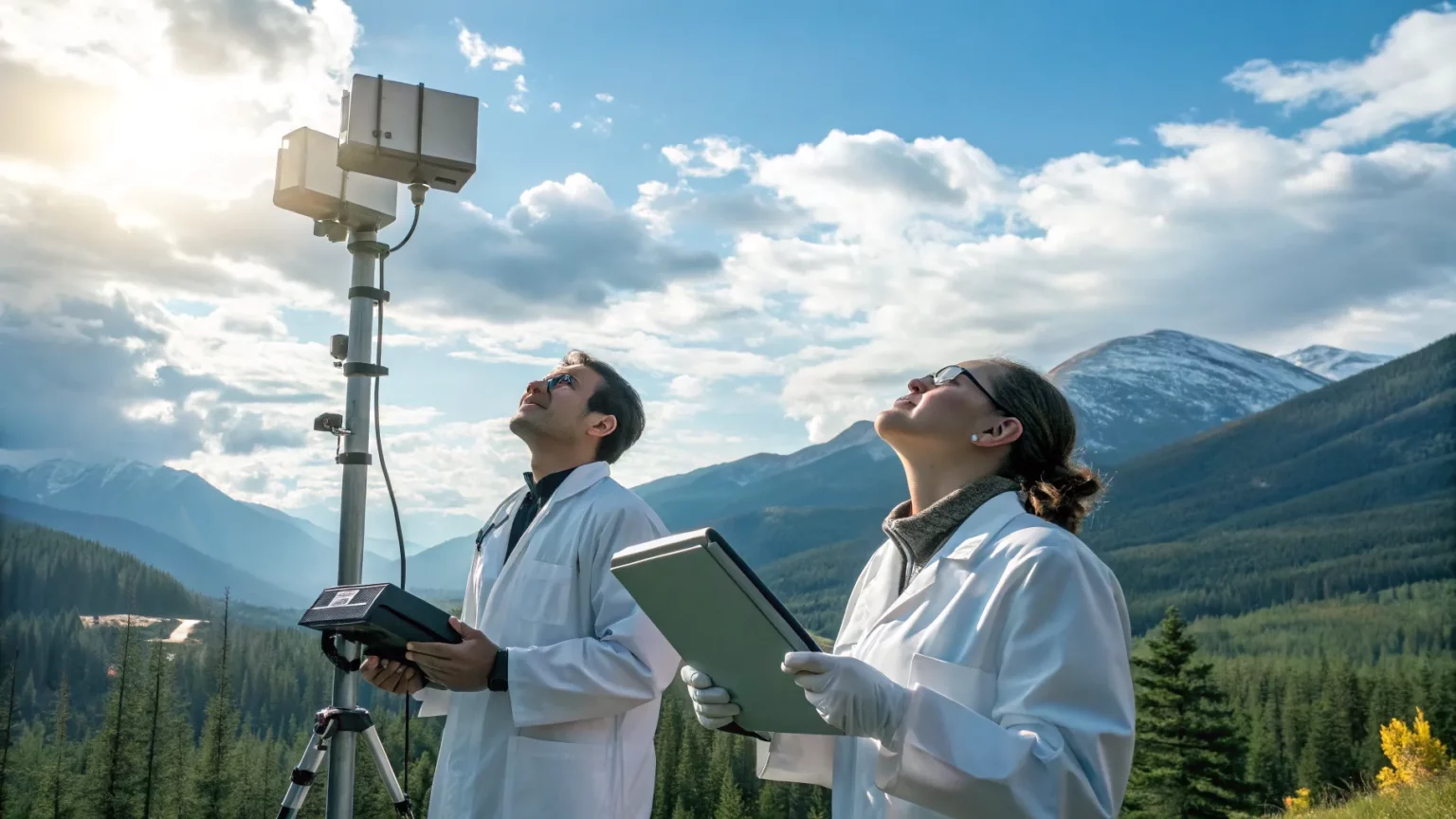
Scientists are shifting their focus upward to better monitor greenhouse gas emissions that continue to warm the planet. This new approach represents a significant advancement in climate research efforts.
As global temperatures rise due to human-caused emissions, researchers are developing improved methods to identify and measure these harmful gases. The atmospheric monitoring approach allows for more accurate tracking of emission sources and their environmental impact.
Aerial Monitoring Technologies
The move toward sky-based observation systems marks a strategic shift in how scientists collect climate data. By using satellites, aircraft, and other aerial platforms, researchers can now observe emissions across large geographic areas that were previously difficult to monitor using ground-based systems alone.
These technologies enable scientists to detect methane leaks from oil and gas operations, measure carbon dioxide concentrations over urban centers, and track other greenhouse gases that contribute to global warming.
Benefits of Atmospheric Observation
Monitoring emissions from above offers several advantages over traditional methods:
- Broader coverage of emission sources across large regions
- Ability to detect emissions from remote or inaccessible locations
- More frequent data collection for tracking changes over time
- Capacity to identify previously unknown emission sources
Climate Research Applications
The data collected through these aerial monitoring systems helps scientists better understand how greenhouse gases move through the atmosphere and affect global climate patterns. This information is critical for creating more accurate climate models and developing effective mitigation strategies.
Researchers can now track seasonal variations in emissions, identify major pollution sources, and verify whether countries are meeting their climate commitments under international agreements.
The atmospheric approach also helps bridge gaps in emissions reporting, as some countries lack comprehensive ground-based monitoring networks or have incomplete emissions inventories.



Future Developments
As monitoring technology advances, scientists anticipate even more precise measurements of greenhouse gas concentrations and sources. New satellite missions specifically designed to track carbon dioxide and methane are being planned or have recently launched.
These efforts aim to create a global monitoring system that can provide near-real-time data on emissions, helping policymakers and industry leaders make informed decisions about reducing their climate impact.
The combination of ground and sky-based monitoring creates a more complete picture of greenhouse gas emissions, giving scientists powerful tools to address one of the most pressing environmental challenges of our time.