




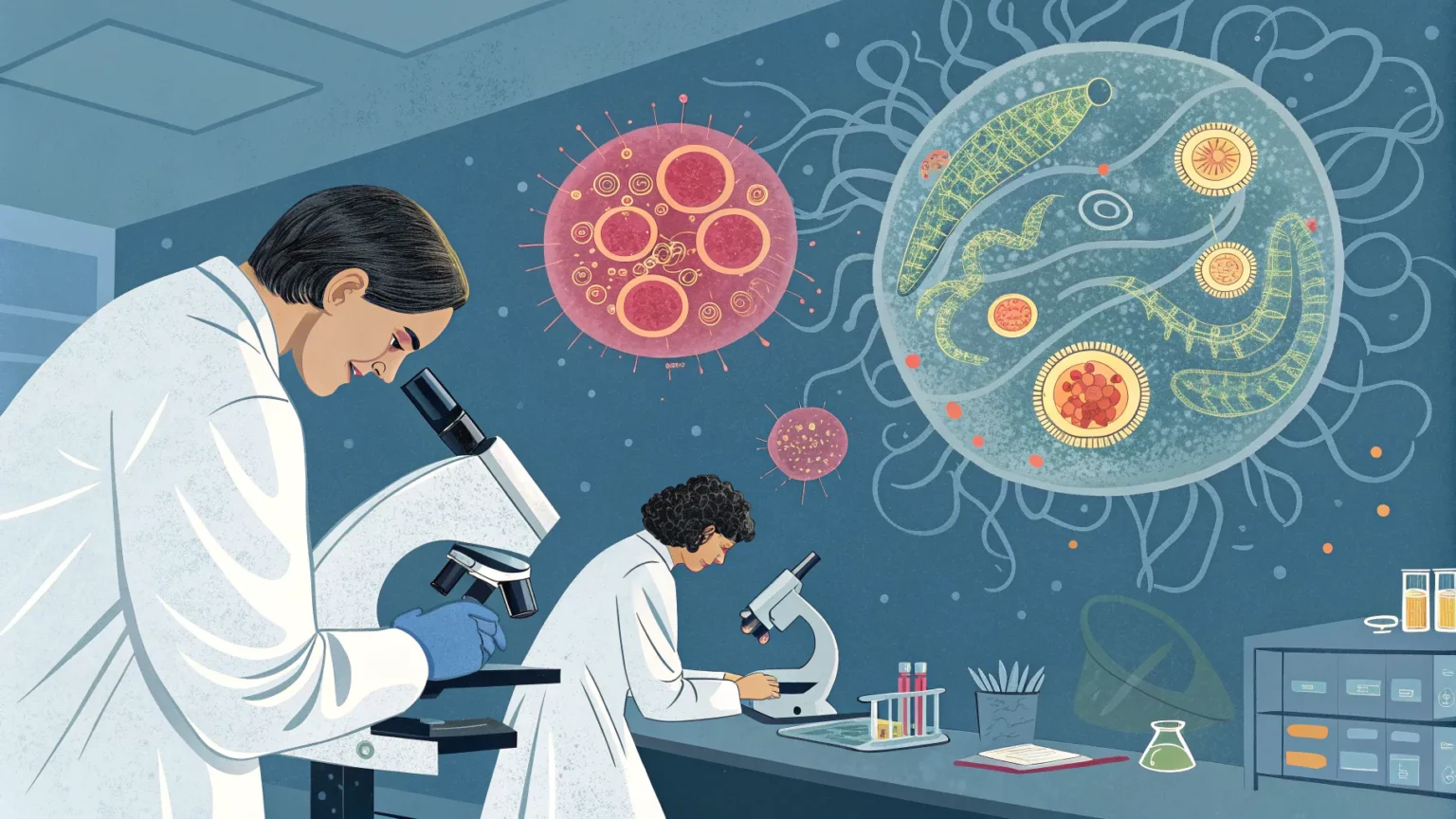
Scientists have identified how protein-making machines inside cells double as alarm sensors, revealing a fast-acting system that flags trouble and rallies defenses. In new findings released this week, researchers show that when ribosomes collide during protein production, they trigger a molecule called ZAK that launches protective responses across the cell.
The work explains a key early step in the cell’s response to stress, from viral infections to toxic exposures. It also offers a clearer picture of how cells keep protein production safe and orderly under pressure.
“Ribosomes don’t just make proteins—they can sense when something’s wrong.”
How the Cellular Alarm Works
Ribosomes read genetic instructions and build proteins. Under stress, this assembly line can clog. When one ribosome stalls, others can bump into it. These collisions are more than accidents. The team found they act as a clear signal that something is off.
The molecule at the heart of the response is ZAK, a kinase that relays stress signals. According to the researchers, ZAK recognizes the physical pattern of colliding ribosomes and converts that pattern into a broad alert that changes activity across the cell.
“When they collide, they send out stress signals that activate a molecule called ZAK.”
Once activated, ZAK helps pause faulty protein production and turns on protective programs. That gives cells a chance to fix errors, clear damaged material, and reduce the risk of toxic protein buildup.
Why Collisions Matter
Cells must balance speed and accuracy when making proteins. Errors can harm the cell and, over time, the entire organism. Collisions are an early sign that the balance is slipping. By spotting collisions, ZAK allows cells to act before damage spreads.
Researchers say this mechanism links an everyday process to an emergency response. It explains how cells quickly detect threats without needing external sensors or long delays in signaling.
“Researchers uncovered how ZAK recognizes these collisions and turns them into protective responses.”
Potential Medical Impact
Understanding this alarm system could guide new therapies. Many diseases, including neurodegeneration and some cancers, involve stress on protein production. Viruses also hijack ribosomes, raising the chance of collisions.

- Targeting ZAK could fine-tune stress responses during infection.
- Drugs might boost protective signaling in cells under chronic strain.
- Diagnostic tools could track collision-driven signals as early warning signs.
Experts caution that any therapy would need to preserve normal protein production. Too much stress signaling can halt growth or trigger cell death, while too little leaves cells exposed to damage.
Inside the Lab: What the Team Saw
The investigators used controlled stress conditions to trigger ribosome collisions and watched how ZAK responded. They reported that ZAK binds features linked to the collided ribosomes, then turns on a cascade that spreads the signal.
That direct link between a mechanical event and a chemical signal helps explain the speed of the response. Cells can go from a local logjam on one gene to a whole-cell defense program within minutes.
“The discovery shows how cells quickly spot trouble.”
What Comes Next
Future studies will test whether different types of collisions send distinct signals and how cells reset the system once the threat passes. Researchers also plan to examine how viruses or toxins try to evade or exploit this alarm.
For now, the work puts ribosomes at the center of an early-warning network that protects the cell’s most important task: building proteins safely. The map of how ZAK senses collisions may help scientists design tools that support this defense without tipping the balance.
The findings point to a simple idea with wide reach: everyday machinery can double as a first responder. Watching that machinery closely could offer new ways to prevent disease before damage takes hold.