




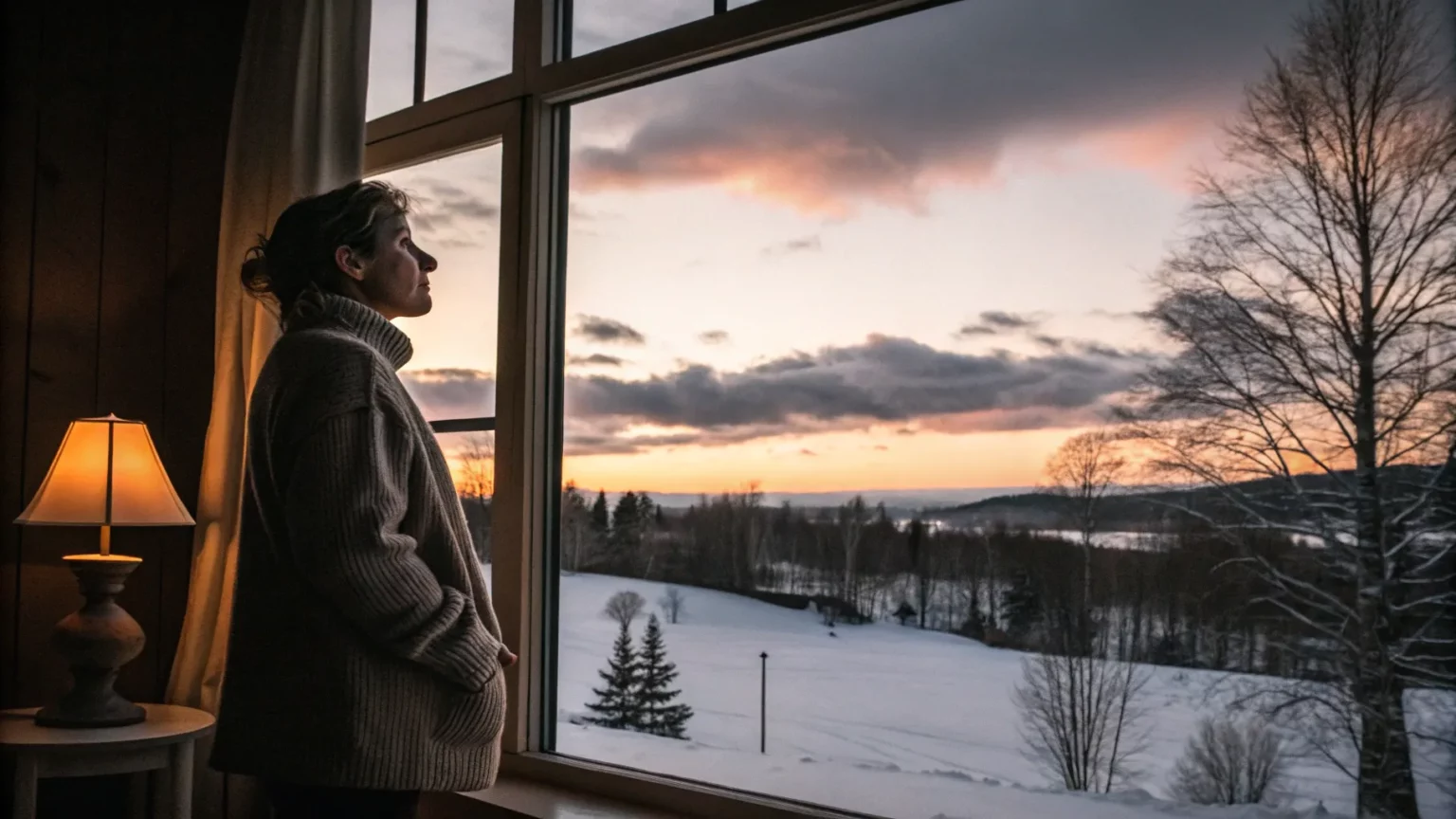
Sunset is arriving noticeably earlier, meaning less mood-lifting daylight for everyone. The weather is turning colder, forcing people to spend even more time inside homes where many have already been confined for six months during the pandemic.
Mental health experts warn that seasonal affective disorder (SAD) could hit harder this year as COVID-19 restrictions continue to limit social interactions and outdoor activities that typically help combat winter blues.
With shorter days and longer nights approaching, health professionals are encouraging Americans to take proactive steps to protect their mental wellbeing during what could be a particularly challenging winter season.
The Double Impact of Seasonal Change and Pandemic Isolation
The combination of seasonal light changes and pandemic-related isolation creates a perfect storm for mental health challenges. Reduced exposure to natural light affects serotonin levels, which regulate mood, while the ongoing stress of the pandemic has already taxed many people’s emotional resources.
“The reduction in daylight hours affects our circadian rhythms and can trigger depression in susceptible individuals,” notes a mental health professional familiar with seasonal mood disorders. “When you add the isolation many are experiencing due to COVID-19, the impact could be significantly worse this year.”
Research has shown that approximately 5% of Americans experience SAD each year, with symptoms typically beginning in fall and continuing through winter months. An additional 10-20% may experience milder forms of winter mood changes.
Strategies to Combat Winter Depression
Health experts recommend several approaches to manage seasonal mood changes during the pandemic:
- Light therapy: Using special lamps that mimic outdoor light can help regulate mood-affecting hormones
- Outdoor time: Spending time outside during daylight hours, even on cloudy days
- Regular exercise: Physical activity has proven mood-boosting effects
- Social connections: Maintaining relationships virtually when in-person gatherings aren’t possible
Mental health professionals also stress the importance of establishing daily routines that include adequate sleep, healthy eating, and activities that bring joy and meaning.



“Even small daily actions can make a significant difference in managing seasonal depression, especially during these unusual circumstances,” explains one expert. “The key is consistency and being intentional about self-care.”
When to Seek Professional Help
While many people can manage mild seasonal mood changes with lifestyle adjustments, others may need professional intervention. Warning signs that indicate a need for help include persistent sadness, loss of interest in activities, changes in sleep or appetite, difficulty concentrating, or thoughts of self-harm.
Telehealth services have expanded dramatically during the pandemic, making mental health support more accessible for many Americans. Most insurance plans now cover virtual therapy sessions, and numerous online resources offer screening tools and support groups.
Community mental health centers have also adapted their services to meet increased demand while maintaining safety protocols. Many now offer outdoor or properly distanced therapy sessions for those who prefer in-person support.
Planning Ahead for Winter Wellbeing
Mental health professionals emphasize that preparation is key to managing seasonal depression, especially this year. Creating a winter wellness plan before symptoms develop can help individuals maintain emotional stability through the darker months.
Such plans might include scheduling regular check-ins with a therapist, planning safe outdoor activities that can continue in colder weather, and creating a home environment that maximizes natural light and comfort.
For families, experts suggest discussing potential challenges openly and developing shared strategies to support each other’s mental health needs. This might include establishing new household traditions that bring joy during winter months or finding ways to safely help others in the community.
As the days grow shorter and pandemic restrictions continue, taking proactive steps to protect mental health becomes increasingly important. With proper planning and support, Americans can navigate the challenging combination of seasonal change and ongoing isolation while maintaining emotional wellbeing.