




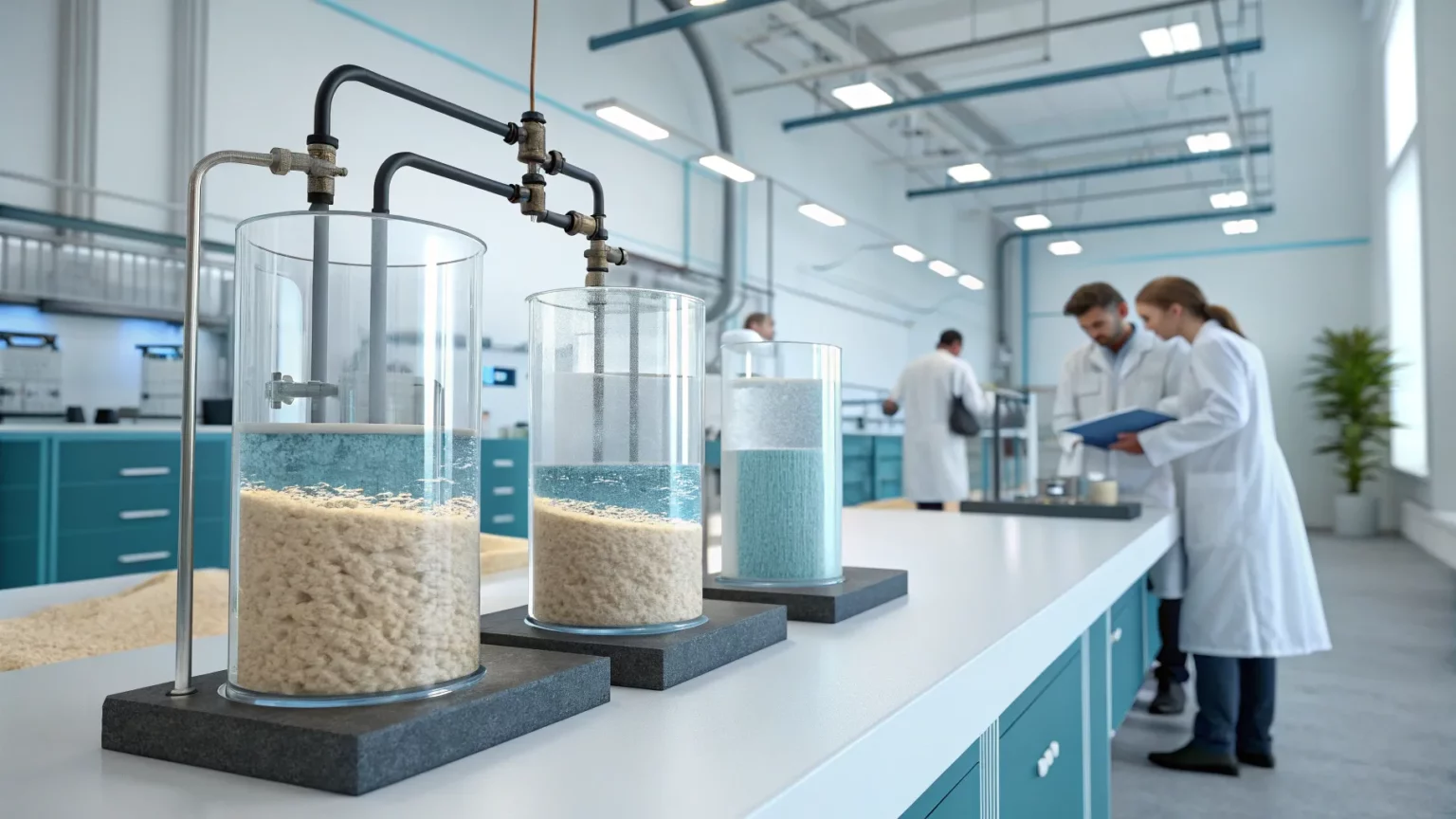
A simple chemical step could change how the world builds. By adding carbon dioxide to seawater, researchers say they can produce a sand-like material that could replace mined sand in some construction uses. The approach, shared this week, hints at a new path for a sector under pressure to cut emissions and reduce environmental harm.
The idea is straightforward: inject CO2 into seawater and trigger minerals to form and settle. The material may serve as a partial substitute for natural sand, which is scarce in many regions. If proven at scale, it could ease pressure on rivers and coasts while storing some carbon in solid form.
“A sand-like material can be extracted from seawater by adding carbon dioxide, potentially making the building industry more sustainable.”
Why Sand Alternatives Matter
Sand is the most-used material in construction after water. It is essential for concrete, glass, and asphalt. Rapid urbanization has driven soaring demand, and many countries now face shortages of suitable construction sand.
Mining from rivers and beaches has damaged ecosystems, altered waterways, and accelerated erosion. Authorities in Asia, Africa, and the Middle East have tightened rules, but illegal mining remains a problem. Builders are searching for new sources and substitutes that meet safety standards and reduce harm.
At the same time, the building sector is under scrutiny for its carbon footprint. Cement and concrete production contribute a large share of global CO2 emissions. Any process that locks carbon into a stable form while supplying a key ingredient has drawn interest from engineers and investors.
How the Process Works
Adding CO2 to seawater can cause minerals such as calcium carbonate or magnesium carbonates to form. These minerals can settle out as fine particles. After collection and rinsing, the product may have grain sizes and shapes similar to some construction sands.
Early-stage concepts suggest the material could be used in non-structural concrete mixes, blocks, or fill. The exact performance will depend on grain size, purity, and how it interacts with cement. Independent testing would be needed to confirm strength, durability, and safety for each application.
- CO2 is added to seawater under controlled conditions.
- Minerals precipitate and settle as solid particles.
- Particles are separated, washed, and graded for use.
Industry Reaction and Open Questions
Engineers welcome the idea but ask hard questions. Energy inputs, plant design, and the source of CO2 will determine whether the process lowers emissions. Using captured CO2 from industrial sites could turn a waste stream into a feedstock. Using CO2 made from fossil fuels would reduce the climate benefit.



Marine scientists say any system operating at the coast must protect local ecosystems. Shifting seawater chemistry or returning waste brines could harm marine life if not managed. Permitting, monitoring, and community consent would be essential steps.
Construction firms will also look for standards. Materials must pass codes for strength, leaching, and long-term performance. Insurance and warranty rules often lag new products. Pilot projects and third-party testing will be key to building trust.
Comparisons and Early Use Cases
Other sand substitutes exist, including crushed rock, recycled concrete fines, and industrial byproducts. These options cut pressure on rivers but can be energy-intensive or far from cities. A seawater-derived source, if produced near ports or coastal plants, could lower transport emissions for coastal projects.
Potential early uses include paving blocks, non-structural precast elements, and controlled low-strength fill. These applications have more flexible performance needs and can accept new aggregate types with proper testing.
Climate and Policy Outlook
If the process stores carbon in a stable mineral, it could qualify for carbon credits in some markets. Policymakers are creating incentives for low-carbon materials in public projects. This could help fund pilot plants and accelerate adoption if data confirm climate benefits.
Still, questions remain about scale. Producing meaningful volumes would require large facilities, reliable CO2 supplies, and strict environmental safeguards. Costs must compete with conventional sand, which is cheap in many regions despite hidden social and ecological costs.
The new approach offers a clear message: construction materials can be part of climate action. The path ahead runs through pilots, peer-reviewed data, and careful coastal planning. If those pieces come together, a process that turns CO2 and seawater into useful grains could give builders a new tool while easing pressure on fragile shorelines. Watch for demonstration plants, updated building codes, and the first public projects to use seawater-derived aggregate in the months ahead.