




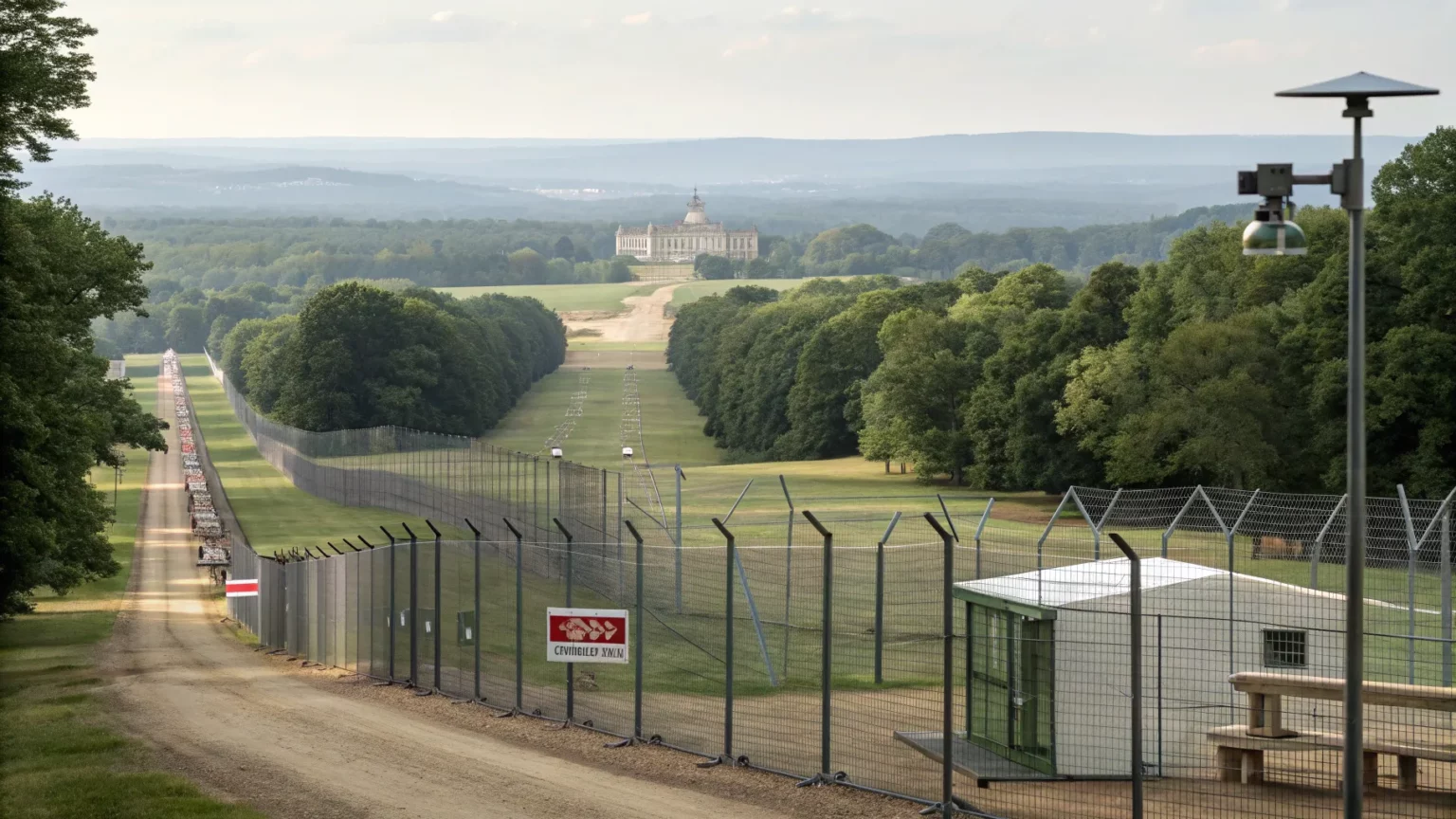
A sweeping six-mile cordon has gone up around Forest Lodge, where the Prince of Wales lives with his wife and children, tightening security and reshaping daily life for anyone nearby. The fencing, cameras, and warning signs appeared this week, signaling a major shift in how the area is managed and monitored.
The move indicates a significant security posture for the family home. It brings new limits on access and a stronger perimeter designed to deter trespass and surveillance. It also raises questions about public space, privacy, and the knock-on effects for neighbors and visitors.
“A six-mile cordon has been thrown up around Forest Lodge – where the Prince of Wales now lives with his wife and children – with fencing bristling with CCTV cameras and ‘no entry’ signs.”
Why The Perimeter Matters
High-profile residences are frequent targets for intrusions, drones, and paparazzi. Physical barriers, extensive camera coverage, and clear signage are standard security tools meant to prevent incidents before they happen. The scale here—a full six miles—suggests planners are building distance into the defense, creating time and space to respond to any threat.
Such measures also help protect routine family life. The aim is to keep the home predictable, the routes controlled, and any curiosity at arm’s length. Officials typically prefer layered defenses: outer barriers for deterrence, inner zones for active monitoring, and rapid response if an alarm trips.
Public Access And Local Impact
Security perimeters can change how people move, park, and gather. While the precise closures have not been detailed, a cordon this large may alter footpaths, cycling routes, or roadside stopping. Residents may see new patrols and traffic restrictions, while delivery and service schedules could be adjusted.
For visitors, new “no entry” markers offer clarity but also cut off casual access. That can reduce chance encounters and thrill-seeking, a win for safety, but it may also dampen the appeal of nearby walking routes or scenic stops.
Privacy Versus The Public Interest
Royal security is a balancing act. The public expects transparency from public figures but also accepts a duty of care when personal safety is at stake. A perimeter packed with CCTV raises civil liberty questions, yet any security office would argue the cameras point inward, not at the broader community, and exist for one reason: to prevent harm.
The practical test is narrow and simple: are the measures proportionate to the risk, and are they time-limited or reviewed as conditions change? Regular review helps maintain trust and avoids “set and forget” security that lingers longer than needed.



What The Setup Signals
Large cordons are rarely symbolic. They tend to follow specific assessments, recent incidents elsewhere, seasonal surges in visitors, or high-profile events that draw attention. Even without a listed trigger, a six-mile ring hints at heightened precaution. The dense signage—“no entry” repeated often—serves as both legal notice and clear warning to would-be intruders.
Key Questions To Watch
- How long will the cordon remain in place, and how often will it be reviewed?
- Which paths and routes, if any, are formally closed, and what detours exist?
- How is camera data stored, who can access it, and for how long?
- What support is offered to residents affected by changes in access?
Security, Safety, And Daily Life
There is no perfect perimeter. Good security reduces risk without smothering normal activity. The scale at Forest Lodge suggests a focus on prevention, with technology and distance doing most of the work. If managed well, deliveries still arrive, kids still get to school, and workers carry on—just with more checks at the edges.
If mismanaged, small hassles become big ones, and public patience wears thin. Clear maps, posted hours, and quick responses to complaints can keep the peace while the cameras blink and the fences stand.
The bottom line: this is a serious security posture for a high-profile family home. It reflects the current threat environment and a desire to keep risk far from the doorstep. In the coming weeks, clarity on routes, review timelines, and data safeguards will matter more than the height of any fence. Watch for updates on access points, any seasonal adjustments, and whether the six-mile line holds or is refined as the situation settles.