



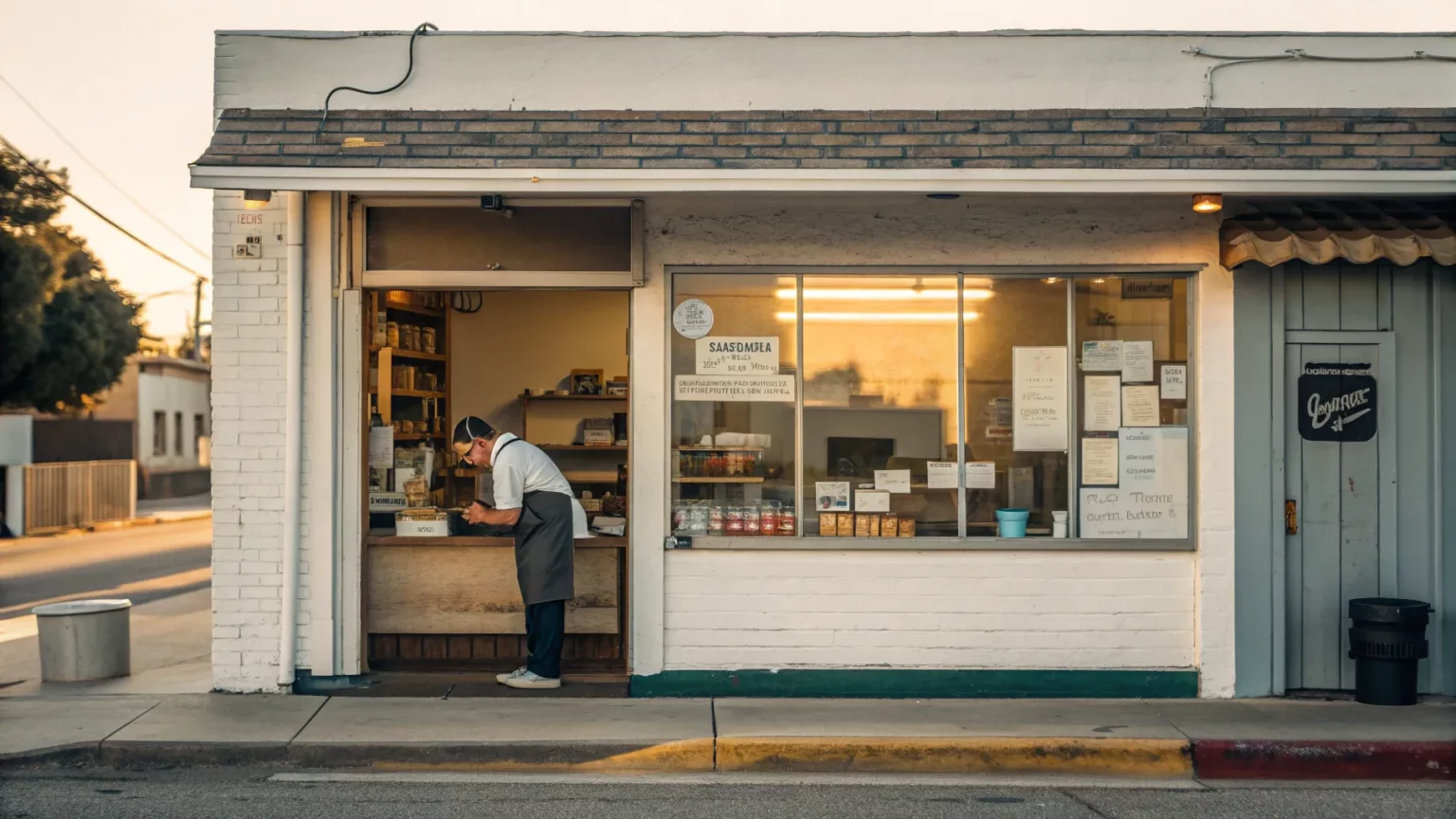
In a recent segment of The Big Money Show, panelists warned that many small businesses are under growing pressure from higher costs, tighter credit, and uneven demand. The discussion focused on why thousands of Main Street firms are finding it harder to stay profitable this year.
The conversation arrives as many owners face higher rent, pricier supplies, and wage competition from larger employers. It also reflects a fragile recovery for neighborhood shops and service providers after several years of economic shocks.
What Panelists Are Seeing
Panelists described a business environment where rising expenses meet softening sales in key sectors. They noted that owners often have less cushion to absorb new costs than big chains.
“Small businesses are struggling,” a panelist said on The Big Money Show, pointing to tighter margins and slower traffic.
They also highlighted a split between firms that can pass on costs and those that cannot. Restaurants and personal services were cited as especially exposed to rent, utilities, and labor costs.
Costs, Credit, and Hiring Pressures
Inflation has cooled from earlier peaks, but many inputs remain expensive. Shipping, insurance, and energy have not returned to pre-pandemic levels for many operators.
Panelists said higher interest rates add another strain. Loans and credit lines cost more, and banks have raised standards for new borrowers. That makes it harder to finance inventory, expand, or bridge slow months.
- Borrowing is more expensive than in recent years.
- Landlords are raising rents as leases renew.
- Wages and benefits continue to climb in many markets.
Hiring remains a challenge for many small firms. Some owners cannot match pay or perks offered by larger companies. Others struggle to find workers with the right skills. Panelists described owners cutting hours, reducing menus, or delaying projects to manage labor gaps.
Shifting Consumer Habits
Households have become more price sensitive. Panelists said consumers are trading down, delaying discretionary purchases, and hunting for deals. That hurts businesses with narrow margins and limited scale.



Online competition also remains intense. Local retailers face rising ad costs to reach customers and must juggle storefronts with e-commerce. For many, the math no longer works without steady foot traffic.
Local Impact and Community Risk
Small businesses anchor jobs and services in towns and neighborhoods. When they cut back, the effects ripple through suppliers, contractors, and part-time workers. Empty storefronts reduce foot traffic for nearby shops and can weigh on property values.
Panelists warned that closures often hit independent restaurants, salons, repair shops, and childcare providers first. Those losses are hard to replace quickly, especially in rural areas and low-income neighborhoods.
What Could Help
Panelists pointed to several steps that could ease pressure. They mentioned tax relief targeted at new investment, faster permitting, and more predictable fees. They also said easing the cost of compliance can free up cash for hiring and growth.
Better access to credit was another theme. Community banks and local lending programs can bridge funding gaps for viable firms with short records or volatile sales. Training and digital tools can also help owners find customers and manage costs.
The Road Ahead
Panelists said the next few quarters will be critical. If borrowing costs stay high and consumers pull back, weaker firms may fold. If inflation keeps easing and wages stabilize, owners could regain footing.
They urged policymakers and lenders to monitor stress in sectors that rely on steady traffic, such as dining and personal services. They also encouraged local leaders to support storefront safety, parking, and events that draw customers.
The discussion carried a clear message. Many small businesses are still climbing a steep hill. Their survival will depend on steady costs, reliable financing, and customers who keep showing up. Watch for changes in rates, rents, and hiring as early signs of which way the trend is moving.