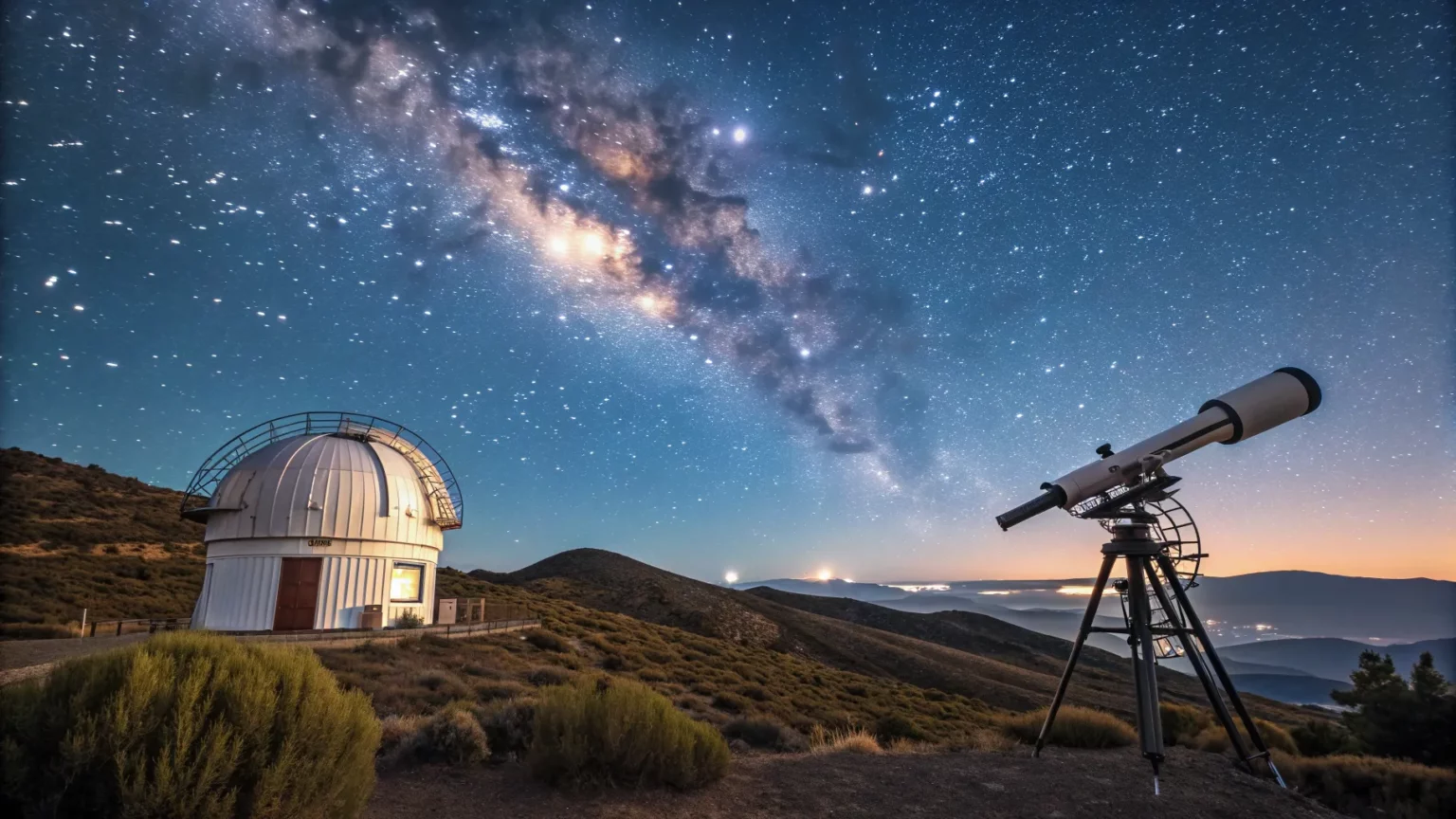
Starfront Observatories is inviting amateur astronomers to set up their own telescopes at a shared site and capture deep-sky images through a high-speed data link. The service is aimed at hobbyists who want darker skies, steadier mounts, and faster image transfers without building a private observatory. It arrives as more stargazers seek reliable ways to shoot the night sky from light-polluted cities.
The company describes its model plainly: rent a physical spot, plug in, and connect over the internet. The pitch speaks to growing demand in the hobby, where gear has improved and data-heavy workflows need strong connectivity. It also comes as remote astronomy networks gain traction among users who want more time under dark skies.
How the Service Works
The offer centers on co-locating personal telescopes at a site designed for imaging. Users bring their rigs, set up on a reserved pad, and use a fast connection to run cameras and transfer data. In a short statement, the company says it lets users “rent a spot for their telescopes and photograph the cosmos over a high-speed data connection.”
This approach differs from renting time on a shared telescope. Instead, owners keep control of their own gear while using site power, networking, and site conditions. For many, the draw is steady infrastructure and fewer headaches related to home setups.
- Users keep their own optics, mounts, and cameras.
- The site provides space, power, and data links.
- Imaging sessions run remotely, with large files moved quickly.
Background: A Hobby Going Remote
Astrophotography has grown as sensors, mounts, and automation software improved. City dwellers often face bright skies and poor seeing, pushing them to seek darker sites. Driving to a remote location can mean long nights and weather risks. Remote hosting offers a middle ground.
Several networks already rent telescope time, giving users a login and a fixed menu of instruments. Starfront’s model keeps ownership in the hands of amateurs while centralizing the hard parts: siting, power, security, and high-speed upload. That can reduce vibration, wind issues, and stray light compared to a backyard deck.
Data matters, too. Modern cameras can produce stacks of RAW images that reach many gigabytes per night. Slow home internet can bottleneck workflows. A strong uplink is central to processing, sharing, and archiving results.
What Users Stand to Gain
For many hobbyists, the appeal is consistent access. A permanent setup avoids teardown and alignment each session. It can also align with narrow weather windows, letting users capture targets overnight without staying on site.



High-speed data can also change how people work. With quick transfers, users can review subs, adjust exposure times, and pivot to new targets faster. Collaboration becomes easier as files move smoothly to partners and processing groups.
Costs, Risks, and Questions
Remote hosting introduces trade-offs. Monthly fees add up. Users must trust site security and maintenance. If gear fails or cables loosen, on-site support becomes important. Weather can still spoil plans, even at a good site.
There are access concerns, too. A service like this may favor users who already own advanced rigs. That could leave beginners leaning on rental networks with simpler entry points. Local astronomy clubs might fill that gap with gear libraries and workshops.
Industry Context and Comparisons
Shared telescope platforms have built loyal followings by simplifying everything from focus to scheduling. Starfront’s approach targets a different user: someone who wants to stay hands-on with their own optical train and settings. It resembles professional co-location in data centers, repurposed for the night sky.
Dark-sky protections also add context. As more regions adopt lighting rules to curb glare, imaging sites can benefit from steadier conditions and cleaner skies. Services that cluster equipment at quality locations may help reduce travel and light pollution pressure on fragile sites.
What Comes Next
Success will hinge on reliability and support. Clear service levels, on-site checks, and weather tools will matter. So will community features like shared calibration data and safety protocols during storms.
“Starfront Observatories allows amateur astronomers to rent a spot for their telescopes and photograph the cosmos over a high-speed data connection.”
That promise will attract owners who crave steady nights and fast files. If pricing, service, and site quality align, the model could broaden access to dark-sky imaging for dedicated amateurs.
For now, observers will watch how many rigs the site can host, how it handles maintenance, and how it scales during peak seasons. The next test is simple: consistent lights-out performance under the darkest skies the service can reach.