




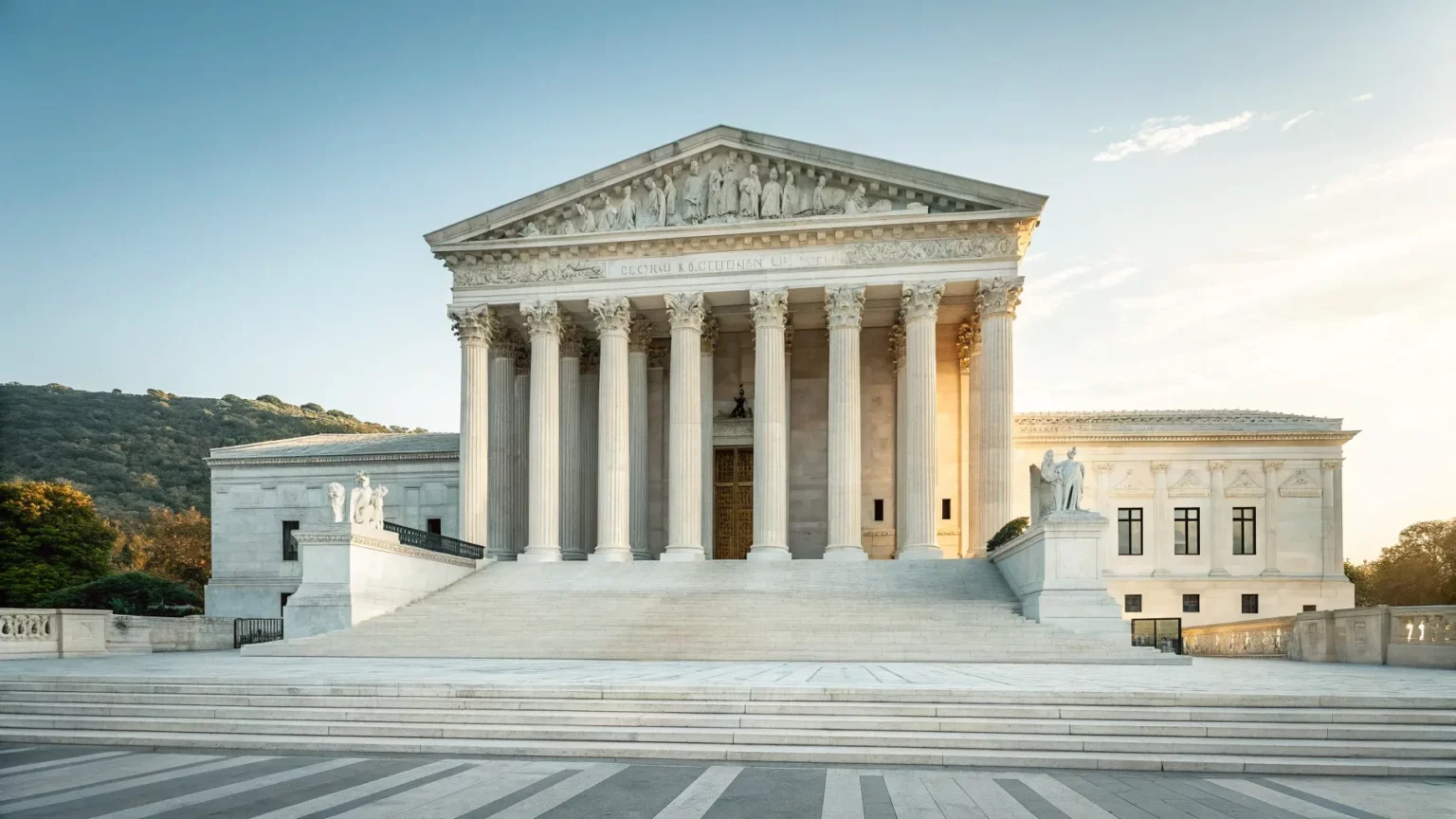
The U.S. Supreme Court has cleared California to use a new, voter-approved congressional map for this year’s elections, handing Democrats an edge and rejecting an emergency challenge from state Republicans and the Trump administration. The decision, issued ahead of key filing deadlines, locks in district lines that will shape control of the House in November.
The ruling effectively ends a last-minute bid to pause the map and throws cold water on claims that the plan unfairly tilts the field. It also spares election officials from a chaotic redraw months before primaries and the general election.
“The Supreme Court has allowed California to use a new voter-approved congressional map that is favorable to Democrats in this year’s elections, rejecting a last-ditch plea from state Republicans and the Trump administration.”
How California Draws Its Lines
California’s maps are produced by an independent redistricting commission, a structure created by voters to take line-drawing away from lawmakers. The commission is charged with following population shifts from the census, protecting voting rights, and keeping communities intact where possible.
While the process aims for fairness, the political effects can still favor one party. California has a strong Democratic voter base, and suburban realignment over recent cycles has added to that tilt.
Republican challengers argued the new map magnifies partisan advantage and violates federal standards. The state defended the plan as lawful, transparent, and built on public input and demographic data.
Why the Court Stepped Back
The Court often resists altering election rules close to voting. That practical concern—keeping ballots on schedule and avoiding voter confusion—has guided recent emergency decisions. By declining to intervene, the justices signaled that the harms claimed by challengers did not outweigh the disruption a late change would cause.
Legal scholars note that emergency appeals rarely succeed without clear violations of federal law. Here, the map emerged from a voter-directed process with public hearings, detailed criteria, and published drafts—factors that can carry weight when courts weigh last-minute requests.
What Changes on the Ground
The map is expected to create safer seats for some Democratic incumbents and make several swing districts slightly bluer. Republicans still have targets, especially in inland and rural areas, but the path gets steeper.



- Democrats gain favorable margins in a handful of suburban districts.
- Republicans may need stronger candidates and more money to compete.
- Turnout operations in close seats become even more important.
Fundraising and recruiting decisions often hinge on district lines. With the map set, both parties can lock in strategies, book ads, and finalize ground games without the whiplash of a redraw.
The Stakes for the House
Control of the House could swing on a few seats. California, with its large delegation, can make or break the majority. A map that nudges two or three districts left can ripple far beyond the state line.
Democratic strategists argue the outcome reflects voter preferences and demographic trends. Republican officials say the plan dilutes their influence and ignores communities where they have grown. Expect both narratives to drive messaging through November.
Legal and Political Fallout
The failed plea from the Trump administration and state Republicans highlights a broader fight over maps across the country. In recent years, courts have waded into disputes over racial representation, partisan advantage, and late-cycle changes. The California decision adds to a pattern: emergency relief is hard to win without a clear, immediate legal breach.
Election officials, often whipsawed by lawsuits, get clarity for this cycle. Voters get districts that will not change midstream. Candidates can file, debate, and campaign with the rules set.
“Rejecting a last-ditch plea” closes the door on further pre-election challenges to the map and signals the Court’s preference to avoid late shake-ups.
For now, the takeaway is simple. California’s voter-approved plan is in place. Democrats gain a small but real advantage. Republicans pivot to persuasion and turnout. Watch the handful of competitive seats where a few thousand votes could decide the House.