




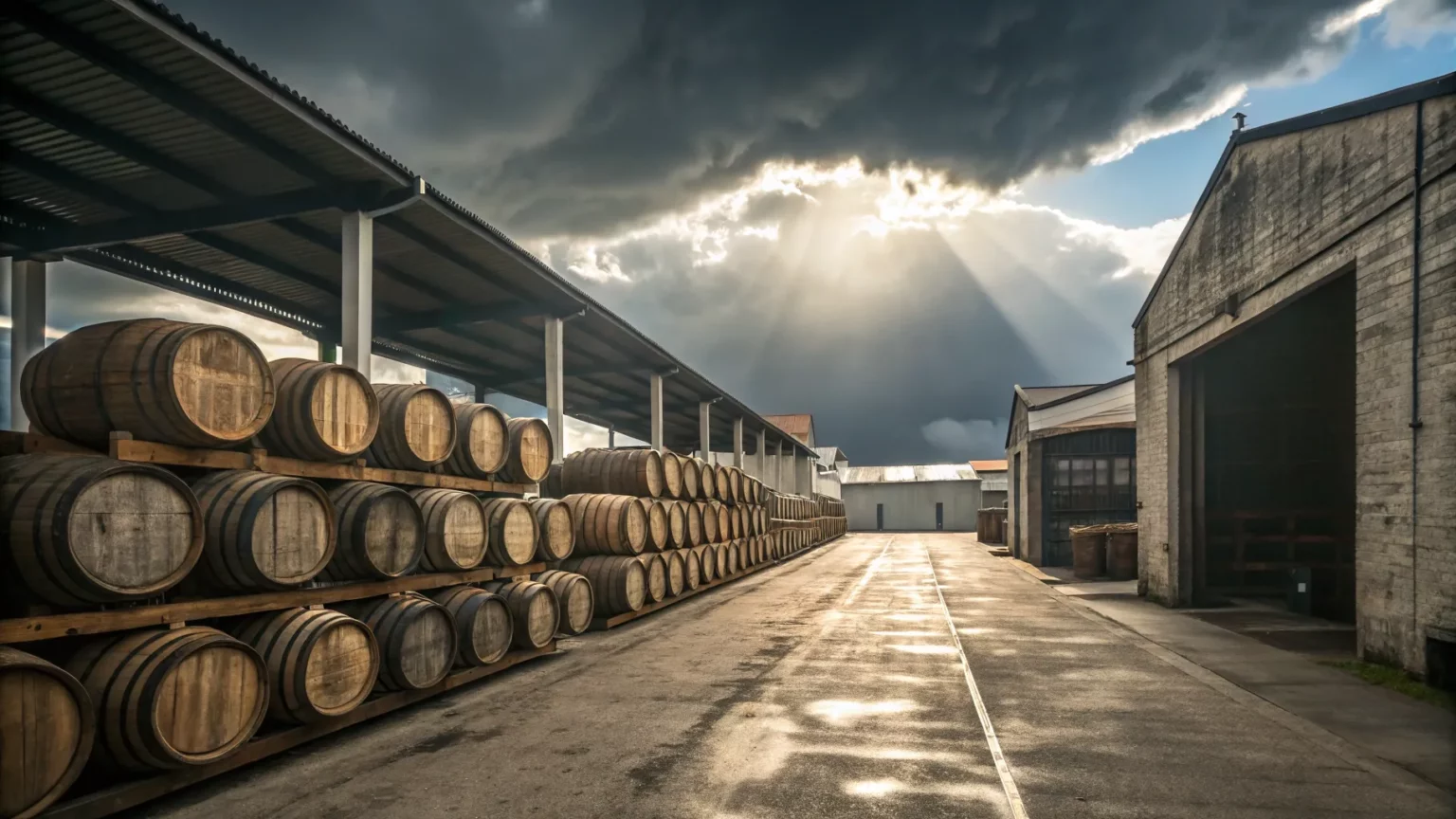
American distillers are bracing for new trade friction after President Donald Trump imposed tariffs on trade partners worldwide, raising fears of fresh retaliation on spirits. The move revives a fight that once hit bourbon and other American whiskeys hardest, and it comes as producers enter peak shipping months for global holiday sales.
The industry worries that foreign governments could answer with new taxes on U.S. bottles, as they did during the last tariff dispute. Export-heavy producers in Kentucky, Tennessee, and across the Midwest face the most risk. Smaller craft makers say they have fewer options to absorb price shocks or re-route shipments.
US distillers face uncertainty after President Trump imposed tariffs on countries around the world.
How Past Tariffs Hit the Barrel
When the United States levied steel and aluminum tariffs in 2018, the European Union, China, Canada, and others responded with duties on U.S. spirits. American whiskey became a target, with the EU slapping on a 25% charge. Industry groups reported a sharp drop in shipments to Europe during the dispute.
Data from trade associations show American whiskey exports to the EU fell by roughly a fifth during the tariff period. Some producers raised prices to cover costs. Others ate the hit, trimming margins and delaying expansion. Several craft distillers paused plans to enter Europe, citing new paperwork and unpredictable pricing.
Relief arrived when the U.S. and EU agreed to suspend the retaliatory spirits tariffs. Exports then rebounded, with some categories posting double-digit growth after the suspension. The memory of those swings now fuels concern that new tariffs could reopen old wounds.
Costs, Supply Chains, and Pricing Pressures
Tariffs often ripple across the supply chain. Spirits makers rely on glass, grain, cork, and packaging, much of which is imported or priced off global markets. A levy on industrial inputs can raise bottling costs even before a bottle leaves the warehouse.
Distributors and retailers add another layer. If a foreign market imposes a retaliatory duty, the final shelf price can jump well above the tariff’s headline rate after taxes and markups. That threatens market share that took years to build.
- Higher input costs: glass, paper, and closures can get pricier.
- Export duties: retaliatory tariffs raise shelf prices abroad.
- Delays: customs checks and rule changes slow shipments.
Small Producers Face Tight Margins
Large distillers may shift volumes between markets. Smaller brands rarely can. Many rely on one or two import partners in the EU or Asia. A sudden duty can erase profits on those routes.


Craft operators also have less leverage with suppliers. They pay more for materials and freight, so any added cost bites deeper. Some report holding back inventory rather than risk a shipment that might get priced out on arrival.
Kentucky and Tennessee in the Crosshairs
Kentucky bourbon and Tennessee whiskey anchor U.S. spirits exports. State officials have tied these products to local jobs, tourism, and agriculture. Corn growers and cooperages felt the earlier tariff shock alongside distillers, as production slowed and investment plans shifted.
Trade lawyers say even short tariff windows can distort a year’s sales. Buyers overseas may switch to Scotch or local spirits if prices jump, and they do not always switch back quickly. Regaining shelf space can take multiple selling seasons.
What to Watch Next
Industry groups are seeking clarity on which countries face new U.S. tariffs and what retaliation could follow. The response from the European Union will be key. Asia is another focus, given growing demand for premium American whiskey in Japan, South Korea, and parts of Southeast Asia.
Economists caution that tariff cycles create planning problems that outlast any single policy. Distillers typically age whiskey for years before sale. If export routes turn uncertain, producers may cut future barrel fills, affecting farmers and warehouses down the line.
Outlook and Possible Paths
Several options could soften the blow. The U.S. could negotiate exemptions or staged rollouts. Trading partners could narrow retaliatory lists. Distillers might hedge by expanding in tariff-free markets or by promoting ready-to-drink cocktails that face different codes.
Still, risk remains. A fresh round of duties would meet an industry that has only recently recovered from the earlier fight. Trade policy decisions in the coming weeks will determine whether that recovery holds.
American distillers want stable rules and predictable costs. Without them, shipments slow, prices rise, and investments stall. The next signals from Washington and major capitals will guide production plans, and likely the price of a favorite bottle on shelves worldwide.