



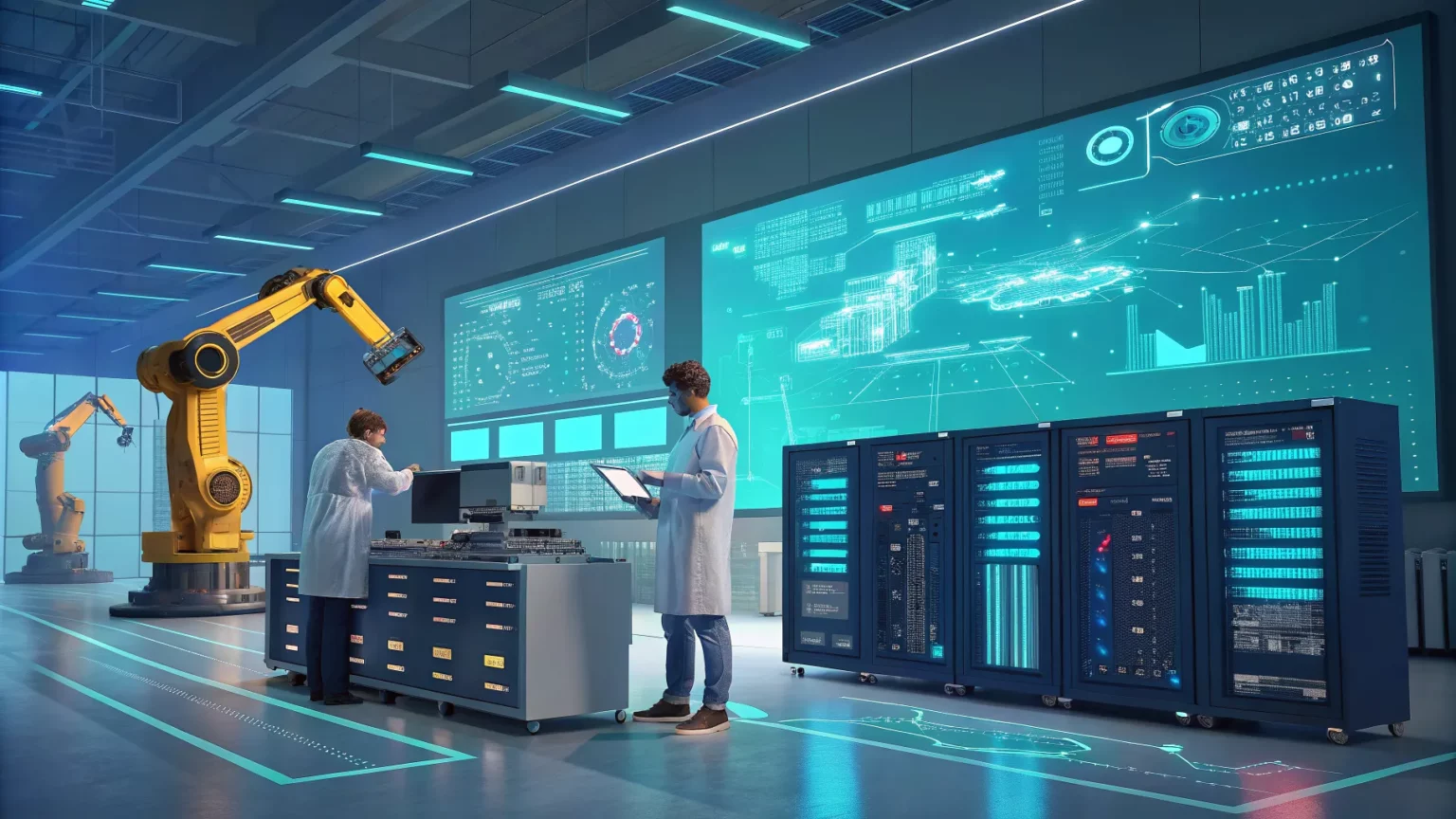
Major AI labs and chipmakers are pouring money and talent into a single goal: creating software that can predict and act in the physical and digital world. Companies in the United States and Europe are moving fast this year to turn research on “world models” into products for video, robotics, and autonomous agents.
The push spans labs known for large language models as well as teams focused on robots and simulation. Leaders say these systems could plan steps, learn from video, and transfer skills to real tasks. Investors see a path to practical tools for factories, home robots, and creative media.
“The race to build world models is on.”
What World Models Aim To Do
World models learn how scenes and actions unfold, frame by frame. They try to forecast what happens next and use that to plan. That is different from chatbots, which predict the next word.
Researchers train these models on video, sensor data, games, and robot logs. The goal is a system that can reason about objects, physics, and cause and effect. If accurate, the same model could guide a robot arm, generate video that obeys physics, or help an agent plan steps to finish a task.
Why The Momentum Now
Three trends fuel the surge. First, access to massive compute has grown, helped by GPU clusters and new AI chips. Second, video and robotics datasets have expanded, from internet clips to factory telemetry. Third, model designs that mix language, vision, and action have matured.
- Generative video models, such as those announced in early 2024, claim stronger physical consistency and longer scenes.
- Robotics transformers have shown that vision-language pretraining can transfer to real-world manipulation.
- Self-supervised methods, including predictive and masked modeling, reduce the need for costly labels.
Who Is In The Lead
OpenAI’s video work drew attention with clips that appear to follow simple physics, like shadows and object motion. Google’s teams have advanced multimodal models and have published on game-based pretraining and long-context reasoning. Meta’s research leaders have pushed predictive learning with JEPA-style objectives and vision models that learn from raw video. DeepMind’s efforts in control and agents, including robotics and games, continue to feed shared toolkits and benchmarks. Nvidia has announced foundation models for humanoid learning and is courting robotics firms at its developer events.
Startups are also active. Some focus on training agents in simulated homes and warehouses before transfer. Others build datasets from fleets of robots doing pick-and-place, inspection, or mobile navigation.
What Success Would Mean
If world models work as advertised, they could help in three areas. First, planning: an agent could test many futures in its head before acting. Second, transfer: skills learned in simulation could move to real devices faster. Third, safety: a model that predicts hazards could prevent costly errors.



Industrial firms watch these claims closely. A reliable predictor could shorten cycle times on assembly lines or improve warehouse throughput. In media, better physics could make video generation look more natural, with fewer glitches in body motion or lighting.
Open Questions And Risks
Key challenges remain. Models often overfit to training data and break in new settings. Sim-to-real transfer can fail when sensors drift or lighting changes. Evaluation is hard: a clip can look good but still violate conservation laws or object permanence.
Safety teams warn about emergent behavior in agents that can plan. Guardrails, audit trails, and restricted action spaces are under study. There are also concerns about training data rights and the energy costs of large-scale video training.
How Progress Will Be Measured
Researchers are moving toward clearer tests. They include:
- Physical plausibility scores for video, such as trajectory accuracy or contact timing.
- Embodied benchmarks in simulated homes and labs with repeatable tasks.
- Real-world trials that track success rates, task time, and recovery from errors.
Case studies in warehouses and small factories could be early proof points. Short-horizon tasks like sorting and inspection are likely to lead. Long-horizon household help remains a stretch goal.
What To Watch Next
Expect more demos that tie video prediction to simple actions, such as grasping or pushing. Watch for tighter links between language instructions and physical plans. Partnerships between AI labs and robotics makers will signal where field tests are headed.
Regulators and standards bodies may step in with guidance on testing, data use, and safety claims. Insurance and liability frameworks for autonomous systems will also shape adoption.
The coming months will show whether these systems can move from striking demos to dependable tools. For now, investment and hiring suggest the contest will intensify, with real-world trials as the judge.