




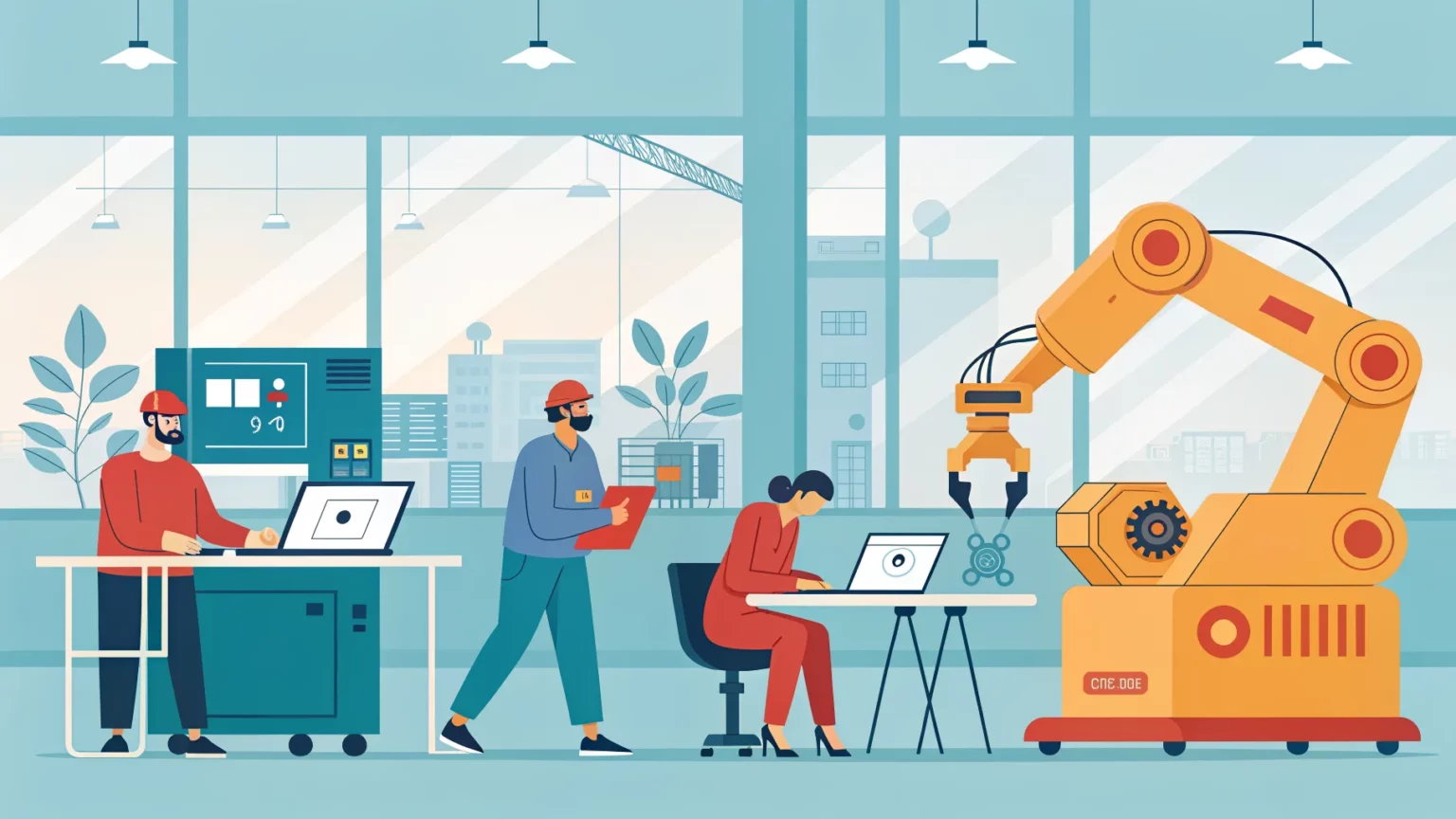
Leaders across sectors are signaling a shift: new tools are poised to widen what teams can do and make their work more valuable. In recent briefings and meetings, executives and analysts said intelligent software and automation are changing jobs by adding duties, not just replacing them. The push is aimed at serving more customers, cutting routine work, and lifting quality.
The message comes as organizations weigh slower growth, higher costs, and rising service demands. Many are testing systems that draft documents, summarize records, and flag risks. Early users say the gains show up in speed and accuracy, but only when paired with training and clear rules.
Background: Lessons From Earlier Waves
Past waves of automation offer clues. When digital design arrived, engineers moved faster from concept to prototype. In hospitals, electronic records reduced paperwork and made patient data easier to find. In both cases, work shifted to higher judgment tasks.
- Digital tools often reduce time on routine steps.
- Teams then add services, raise throughput, or improve quality.
- Outcomes depend on training, workflow design, and oversight.
Research groups have long noted this mix of change. Studies show that some tasks vanish while new ones appear around coordination, review, and customer care. The end result can be higher productivity if teams adapt their roles.
What Expansion Looks Like on the Ground
Managers describe a simple pattern. Software takes first drafts or pre-screens data. People review, fix edge cases, and handle exceptions. That frees time for outreach, planning, and new lines of service.
“The technology will expand their scope and raise their value.”
One executive said teams that once closed tickets now prevent issues by spotting trends. A public service director said staff use auto-summaries to serve more residents per day while spending more time on complex needs.
Firms are also bundling services. A small law office that used to file basic forms can now add compliance checklists and client education. A clinic can extend remote follow-ups. The extra capacity comes from shaving minutes off each step, then reinvesting that time.
Concerns: Displacement, Quality, and Oversight
Workers and labor advocates warn that gains can hide job cuts or wage pressure. They argue that tools must support people, not replace them without a plan. They also stress the risk of errors, bias, and unclear accountability.



Experts recommend guardrails. That includes human review for sensitive calls, audits of model performance, and clear logs of decisions. They say the safest early wins are in drafting, sorting, and search. Higher stakes uses need trials and close monitoring.
Measuring Value, Not Hype
Leaders are setting concrete targets. They track cycle time, error rates, and customer satisfaction. Some compare teams that use tools with those that do not. Where results hold up, they scale the change in steps.
Case examples show why measurement matters. A support desk cut response time but saw follow-up tickets rise. After adding human checks for tricky cases, both speed and resolution improved. A finance team boosted monthly closes by automating reconciliations, then used freed time to strengthen controls.
Skills and Training Take Center Stage
Training is a make-or-break factor. Teams need to know when to trust a draft and when to start fresh. They also need basic data skills and a process for feedback. Managers report the best results when frontline staff help design the workflow.
Organizations are updating job paths. New roles focus on prompt craft, model oversight, and risk review. Pay and progression reflect added judgment and scope.
What to Watch Next
Three questions loom. Will gains spread past early adopters? Can small firms access tools at fair cost? And will quality safeguards keep up with speed?
- Expect more pilots tied to clear metrics.
- Shared standards for audits and disclosures are likely.
- Vendors will face pressure to explain limits and fixes.
The promise is straightforward: use machines for the boring parts so people can tackle the hard parts. If leaders pair tools with smart design, workers can take on more, and their work can matter more. If not, the risks—errors, distrust, and burnout—will eclipse the gains. The next year will show which path wins.