




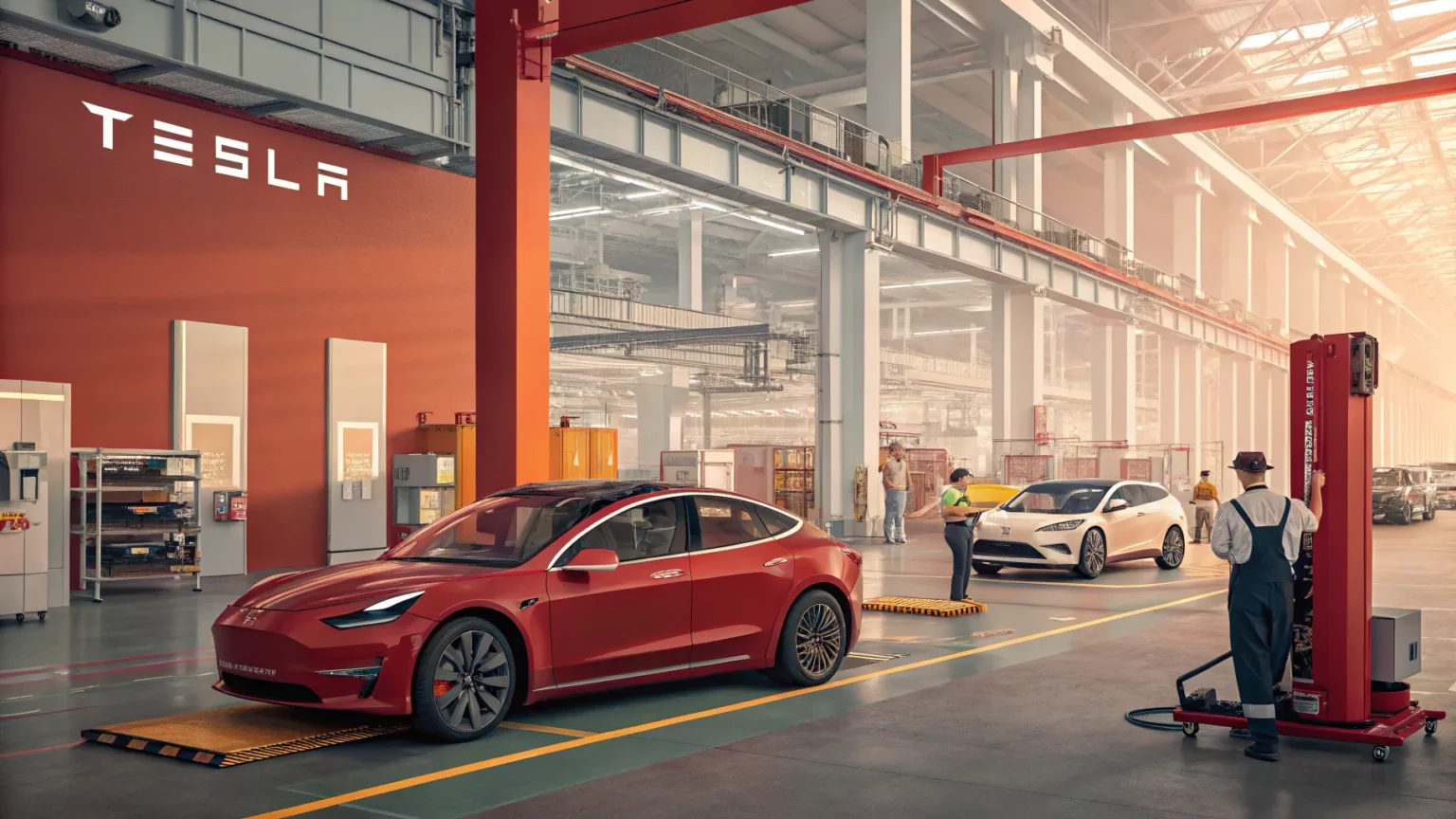
Tesla plans to more than double its capital spending to over $20 billion this year, signaling a sharp reordering of priorities inside the world’s most valuable electric-car maker.
The company expects only a small share of that record outlay to support its traditional business of selling electric vehicles to human drivers. The move points to a broader strategy that could redefine how Tesla grows, what it builds, and where it competes.
“Tesla plans to more than double capital spending to a record high of more than $20 billion this year – but little of it will go to its traditional business of selling electric vehicles to human drivers.”
The plan lands at a time when global EV sales growth has cooled in some markets and competition has intensified. It raises key questions for customers and investors about where Tesla is placing its biggest bets next.
Spending Surge Signals a Strategic Bet
Record spending suggests Tesla sees larger opportunities outside its core car sales. The company has long presented itself as both a manufacturer and a technology firm. A budget of more than $20 billion could fund ambitious projects that take years to pay off.
Shifting capital away from the showroom floor can also mean doubling down on software, automation, and services. Those areas often offer higher margins once scaled, though they require heavy upfront investment.
Investors will want clarity on how much goes to new manufacturing methods, computing infrastructure, and expanded facilities. They will also look for milestones that show early returns on this spend.
Background: From Factory Buildouts to New Frontiers
Tesla rose to prominence by scaling factories and batteries while pushing down costs. Plants in the United States, Europe, and China helped the company increase output and reach more customers.
Now, the planned shift suggests less emphasis on traditional production growth and more on capabilities that could change how Tesla delivers value. History shows that large reallocation of capital can reshape a business model.



Past cycles in autos reveal a pattern: hardware growth reaches a plateau, then companies invest in software, services, and manufacturing efficiency to drive the next leg of growth.
Implications for Customers and Investors
For drivers, the near-term impact may be subtle. Fewer dollars pointed at classic car programs could slow new trim lines or refreshes, but it may not affect service or existing features.
For shareholders, the message is mixed. Larger, longer-term bets can unlock new revenue streams, yet they can also bring execution risk. Timelines may stretch, and payoffs may come later than hoped.
- Potential benefits: higher-margin software and services, stronger long-term moat, expanded recurring revenue.
- Key risks: delays, regulatory hurdles, and weaker momentum in core vehicle sales if attention shifts too far.
Industry Context and Competitive Pressure
Rivals have stepped up with lower prices and more models, putting pressure on premium EV makers. Meanwhile, interest rates have weighed on big-ticket purchases, challenging growth plans industrywide.
Companies often respond by investing in technology that cuts costs or adds sticky services. Tesla’s size and brand give it room to try bold moves, but the bar for success is high.
Regulators also shape the opportunity. Rules on driver-assistance systems, data use, and energy storage can either speed adoption or slow it. Capital deployed now will need to account for that uncertainty.
What to Watch Next
Investors will watch the company’s next updates for a breakdown of the spending plan. They will look for details on capacity, software development, and any new platform commitments.
Analysts will track delivery trends to see if traditional car sales hold steady while new bets mature. Any sign of softer demand could raise questions about timing and balance.
Clear targets will help. Timelines for product rollouts, software milestones, and cost reductions can show whether this record budget is on track.
Tesla’s plan marks a high-stakes turn at a sensitive moment for the EV sector. The spending surge offers a path to new growth engines, but it requires patience and precise execution. The next few quarters should show whether this realignment strengthens the company’s lead or stretches it thin. Watch for clearer capital plans, early returns on new programs, and steady delivery numbers to gauge how this strategy lands.