




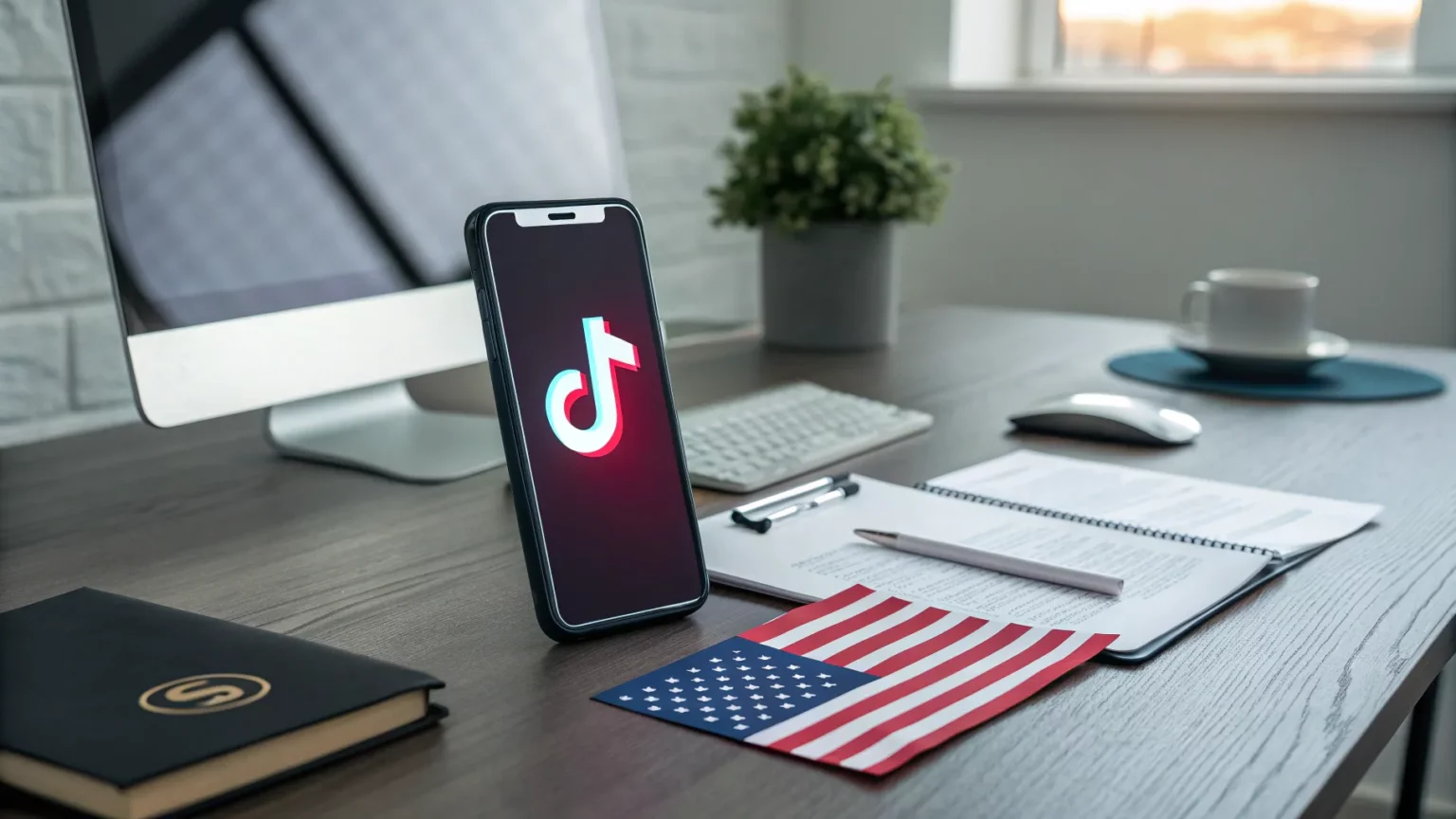
TikTok has reached an agreement to create a new U.S.-based version of the app, a move aimed at quieting long-running calls for a ban and securing its future in a key market. The company has signed agreements with Oracle, Silver Lake, and MGX to form a separate entity referred to as TikTok U.S. The deal signals a bid to satisfy data security concerns raised by Washington while keeping the platform available to millions of American users and creators.
“TikTok has finalized a deal to create a new American version of the app, avoiding the looming threat of a ban in the U.S. that has been in discussion for years. The social video platform company signed agreements with major investors including Oracle, Silver Lake and MGX to form the new TikTok U.S.”
Years of Pressure Over Data and Control
U.S. officials have pressed TikTok for years, citing risks that American user data could be accessed by foreign authorities. In 2020, a proposed forced sale under the previous administration stalled in court. Since then, policy makers have pushed for either a divestment or a nationwide ban.
The company responded with a program known as Project Texas, placing U.S. data on servers managed by Oracle and expanding compliance teams. Despite those steps, lawmakers advanced new measures in 2024 that sought a sale under deadlines. A separate state-level ban in Montana was blocked by federal courts, but national pressure continued to build.
TikTok says it serves more than 170 million users in the United States. That reach has made it central to creator incomes, small business marketing, and election-year messaging, heightening the stakes of any service disruption.
What the New Structure Signals
Details of the new entity were not disclosed, but the inclusion of Oracle suggests data storage and oversight will remain a core feature. Silver Lake has long invested in technology firms, while MGX adds another capital partner to stabilize the venture. The design appears aimed at placing American operations under U.S. governance and infrastructure.
Key questions include ownership levels, the scope of operational independence, and whether U.S. executives will control moderation and algorithmic decisions inside the American unit. Clear answers on those points will likely determine how regulators view the transaction.
- Data security: Expect Oracle to continue hosting U.S. user data.
- Governance: A U.S.-based board and leadership may oversee core functions.
- Compliance: Independent audits and reporting could be part of ongoing oversight.
Regulatory and Legal Hurdles Remain
The agreement could still face review from the Committee on Foreign Investment in the United States (CFIUS) and other agencies. Courts may be asked to assess whether the structure meets statutory requirements in any divest-or-ban laws. Enforcement timelines could hinge on how fast corporate and technical shifts take place.
Civil liberties groups have warned that broad bans risk speech rights. National security officials argue that corporate promises are not enough without structural change and enforceable rules. The new deal is meant to bridge that divide, but it will need legal clarity to endure.


Impact on Creators, Advertisers, and Rivals
For creators, the agreement offers a path to stability after years of uncertainty. Many rely on TikTok for income through brand campaigns and in-app commerce. Advertisers, who paused or hedged budgets during policy flare-ups, may restart larger campaigns if they gain confidence in the platform’s future.
Rivals such as Instagram Reels, YouTube Shorts, and Snapchat could feel pressure if TikTok’s U.S. unit clears regulatory review and ramps up growth. If conditions force product changes or stricter data rules, competitors may benefit from any gaps in features or targeting.
What to Watch Next
Observers will look for filings that spell out ownership, voting rights, and independent controls. The pace of technical migration to Oracle-managed systems, audit schedules, and transparency reports will also matter. Continued cooperation with federal agencies could set a template for other cross-border tech platforms.
Investors will track revenue trends in advertising and commerce, as well as user growth through 2026. Creators and brands will watch for policy updates on content moderation and recommendation systems, which drive reach and earnings.
The agreement marks a major step in a long policy fight. It offers a plan to avoid a nationwide shutdown while responding to security demands. The next phase will test whether the new structure can satisfy regulators without dulling the product that made TikTok popular. If it holds, the model could reshape how global apps operate in the U.S. market. If it falters, the ban debate will return, and with greater force.