




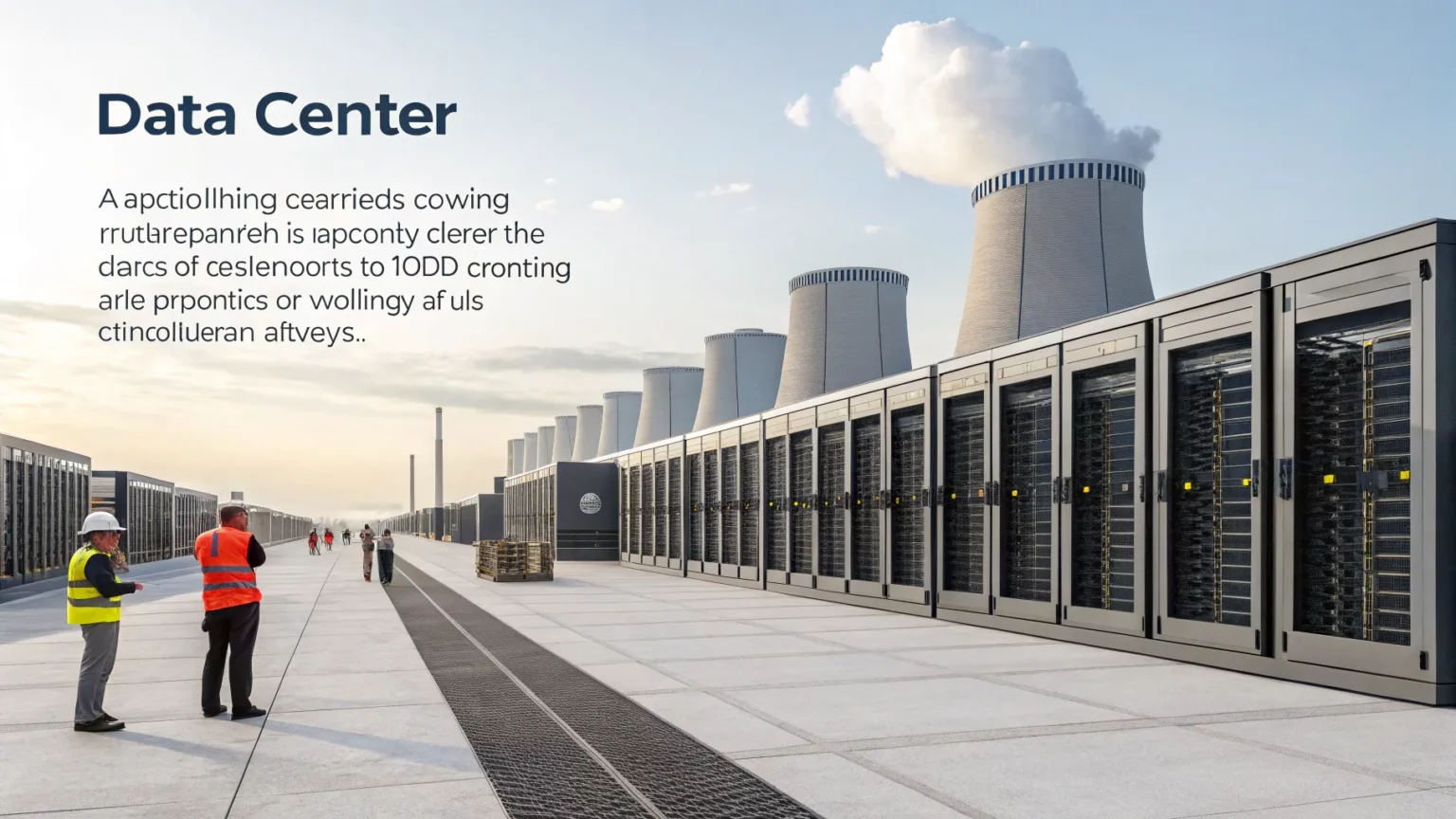
A plan valued at $1.5 trillion is being expanded to include data centers, signaling a major shift in scope and priorities. The move, discussed this week, would link the project to the rapid buildout of digital infrastructure that powers cloud computing and artificial intelligence. Details remain limited, but the change suggests a larger bet on long-term demand for computing capacity and the jobs and power needs that come with it.
“The $1.5 trillion project may now include data centers.”
Planners are weighing sites, energy supply, and timelines, according to people briefed on the update. The expansion could reshape negotiations with utilities, permitting agencies, and local communities.
Why Data Centers, and Why Now
Data centers have become the backbone of modern services, from streaming to AI training. Demand is rising fast. The International Energy Agency (IEA) estimates data centers, AI, and crypto could use roughly 1,000 terawatt-hours of electricity by 2026, near 4% of global power demand. That growth is driving a scramble for land, grid access, and water.
The proposed change ties the project to this surge. It also raises immediate questions about power procurement, water use, and cooling methods. Some facilities now seek on-site generation or long-term clean power contracts to meet climate targets while keeping servers running.
Economic Promise Meets Infrastructure Limits
Supporters point to construction jobs, long-term technical roles, and tax revenue. They argue that adding data centers could anchor related investments in fiber networks and energy infrastructure. “This can bring durable employment and training pipelines,” said one person familiar with the planning.
But communities often face trade-offs. Large data halls can strain local grids and complicate housing and traffic. Power-hungry loads may crowd out other industrial growth if upgrades lag. Water use for cooling can add pressure in drought-prone areas. These concerns have led to tighter zoning and environmental reviews in many regions.
Energy, Emissions, and Siting Choices
Energy is the central issue. Operators typically seek high-voltage connections, stable power, and fast timelines. That can be difficult where transmission is constrained or where coal and gas still dominate the mix.
To address emissions, operators are testing cleaner options:


- Long-term renewable contracts: Wind and solar backed by storage to match demand profiles.
- On-site generation: Solar plus batteries, and pilot projects for low-carbon fuels.
- Grid upgrades: New substations and lines to relieve bottlenecks and add resilience.
Cooling is also evolving. Air and liquid cooling designs aim to cut energy use. Heat reuse, where server heat warms nearby buildings, is gaining attention in colder climates. These steps can reduce operating costs and emissions if planned early.
Community Impact and Public Oversight
Local leaders will weigh the benefits against the footprint. Public hearings often focus on tax incentives, noise, diesel backup generators, and visual impact. Clear community benefits—such as training programs, public broadband, or grid investments—can shape outcomes.
Experts suggest linking permits to measurable targets. These can include energy efficiency metrics, limits on water withdrawals, and reporting on hourly carbon intensity. Such terms provide accountability and help align the project with regional climate plans.
What Industry Trends Suggest
Analysts expect AI workloads to drive higher power densities per rack and larger campuses. Lead times for transformers and switchgear have grown, extending delivery schedules. As a result, developers pursue parallel tracks: securing land, grid interconnection, and long-lead equipment at the same time.
Investors will look for signs the project can secure power without delays. Long interconnection queues could pose risks to timelines and budgets. Clear agreements with utilities and suppliers will likely be central to financing.
Key Questions for the Next Phase
Several issues will shape the path ahead:
- Where will sites be located, and how close are they to major transmission nodes?
- What share of power will come from low-carbon sources, and how will it be verified?
- How will water use be managed during heat waves and droughts?
- What community benefits and job training plans will be provided?
- Can procurement timelines for grid equipment meet target launch dates?
The project’s expansion hints at the scale of digital demand now sweeping the economy. If data centers are included, the plan could unlock new jobs and infrastructure upgrades. It could also test how fast regions can add clean power and modernize grids. The next updates to siting, energy strategy, and local agreements will show whether the vision can move from concept to construction on schedule—and with public support.