




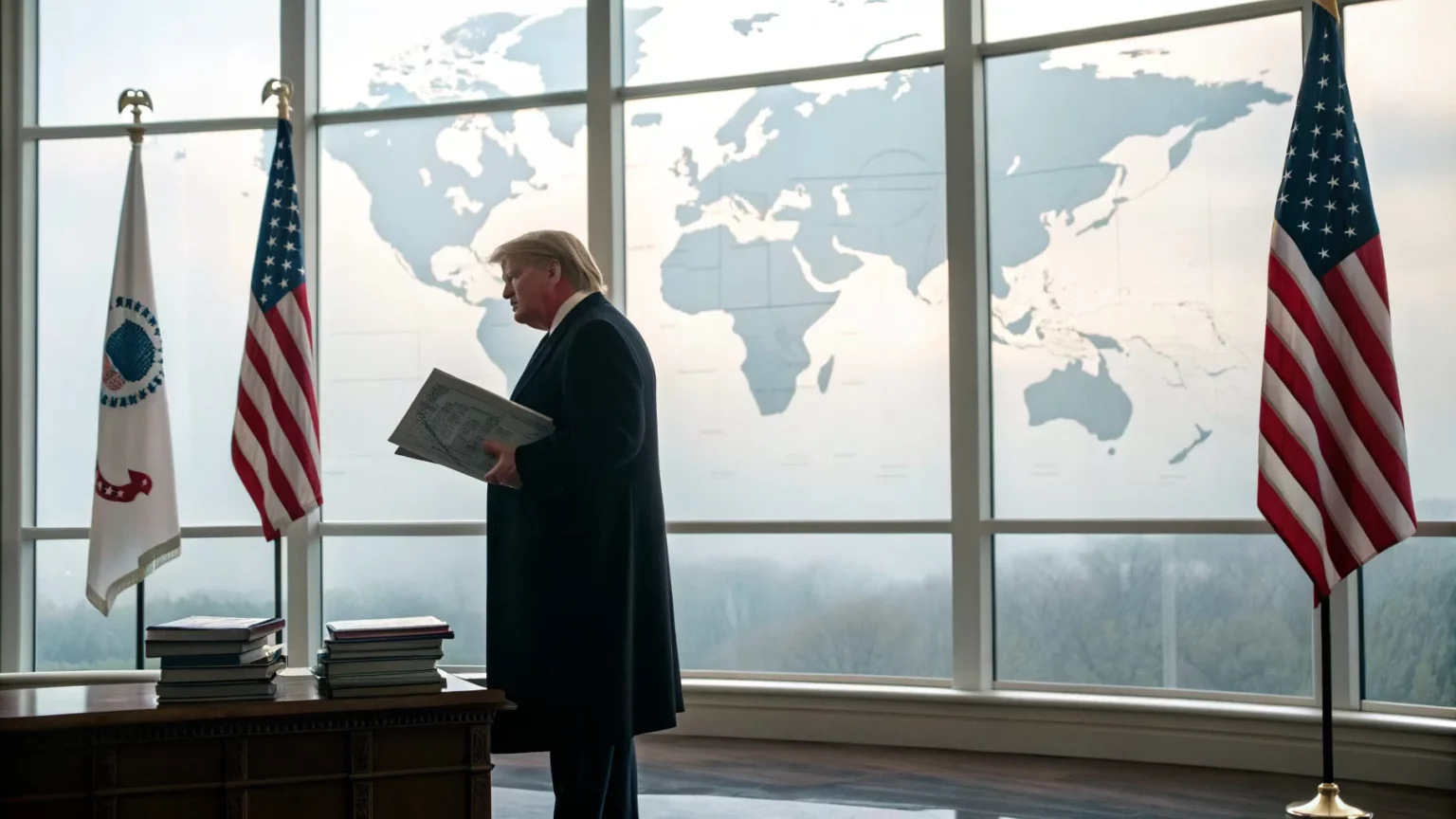
President Trump has not yet formally approved an agreement to extend the economic cease-fire with China, leaving the status of trade negotiations between the world’s two largest economies in limbo.
The delay comes amid ongoing trade tensions between Washington and Beijing that have rattled global markets and created uncertainty for businesses on both sides of the Pacific. The economic cease-fire, which temporarily halted the escalation of tariffs, was seen as a critical step toward resolving the broader trade dispute.
Background of the Trade Standoff
The United States and China have been locked in a trade conflict for several years, with both nations imposing billions of dollars in tariffs on each other’s goods. The economic cease-fire was initially negotiated as a temporary measure to create space for more comprehensive trade talks.
During this pause in tariff escalation, negotiators from both countries have been working to address key issues including:
- Intellectual property protections
- Forced technology transfers
- Market access for U.S. companies
- Agricultural purchases
The existing agreement has helped stabilize markets and provided relief to farmers and manufacturers caught in the crossfire of retaliatory tariffs. However, without formal presidential approval for an extension, that stability is now in question.
Implications for Global Trade
The uncertainty surrounding the cease-fire extension has significant implications for international trade. Financial markets have reacted with caution as investors await clarity on whether the trade truce will continue.
“The lack of a formal signature creates unnecessary uncertainty at a time when global supply chains are already under pressure,” said a trade policy expert familiar with the negotiations.
For American farmers who have faced significant challenges selling their products to China during the trade dispute, the delay represents another obstacle. Many agricultural producers had hoped the cease-fire would lead to increased purchases of soybeans, corn, and other commodities by Chinese buyers.



Similarly, manufacturers with operations in both countries are struggling to make long-term investment decisions without knowing whether new tariffs might be imposed.
White House Considerations
Sources close to the administration suggest the president is weighing several factors before giving his approval. These include China’s compliance with previous commitments, progress on structural reforms in the Chinese economy, and domestic political considerations.
The administration has maintained that any agreement must include verifiable enforcement mechanisms to ensure China follows through on its promises. This has been a sticking point in previous negotiations.
“The president wants to make sure we get a deal that’s good for American workers and businesses,” a White House official stated. “He won’t sign off on something that doesn’t protect American interests.”
Congressional leaders from both parties have urged the administration to secure meaningful concessions from China before extending the cease-fire, particularly regarding intellectual property theft and forced technology transfers.
As negotiations continue behind closed doors, businesses and investors remain on edge, waiting for a signal that the economic relationship between the United States and China will stabilize rather than deteriorate further. Without presidential approval soon, the fragile trade peace could be at risk of collapsing.