



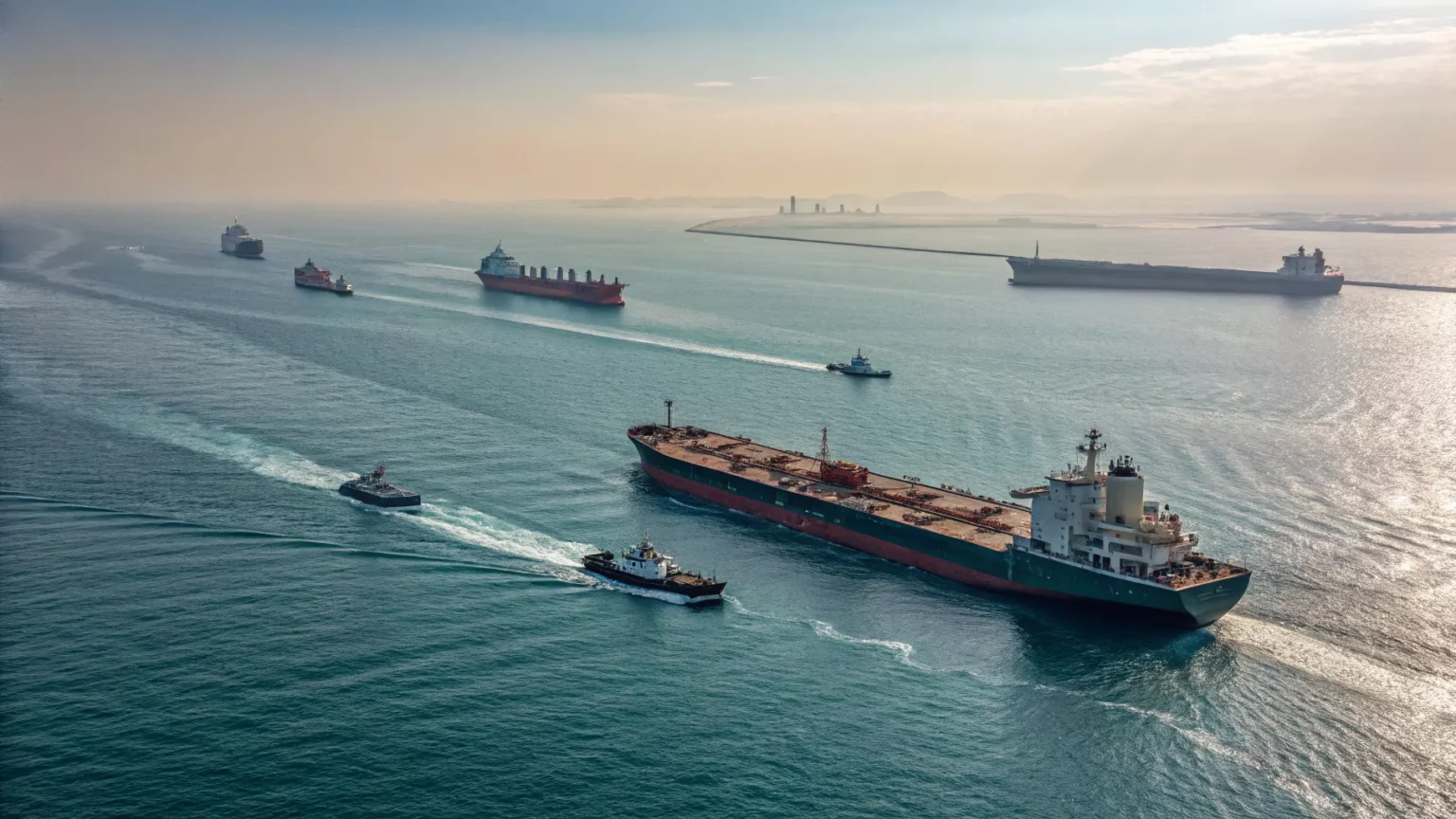
President Donald Trump announced an extension of a pause on Iranian energy attacks until April 6, saying the move followed the safe passage of 10 ships through the Strait of Hormuz. The decision, framed as a step to keep oil and gas shipments moving, comes as global trade routes remain sensitive to security threats and geopolitical pressure.
Trump did not provide further details on enforcement or terms. But the announcement signals an effort to hold fire on energy targets while traffic moves through one of the world’s most important maritime chokepoints.
“President Trump says he will extend a pause on Iranian energy attacks to April 6 after 10 ships were allowed passage through the Strait of Hormuz.”
Why the Strait of Hormuz Matters
The Strait of Hormuz links the Persian Gulf to global markets. It is narrow, busy, and vital for oil and liquefied natural gas exports from Gulf producers. According to the U.S. Energy Information Administration, roughly one-fifth of global petroleum liquids trade has moved through the strait in recent years, making any disruption a threat to energy prices and supply security.
When tensions rise around the strait, insurers raise premiums, shippers adjust routes, and buyers plan for delays. Even short interruptions can move markets, since many refiners depend on steady flows to meet demand.
The Announcement and Its Immediate Signals
The message linked the extension to the recent transit of 10 vessels. That suggests a short-term easing of pressure as ships complete scheduled passages. It also extends a window for negotiation or de-escalation.
Officials did not specify the types of ships or their cargoes. Still, any increase in safe transits reduces the risk of a supply squeeze. The April 6 date creates a clear checkpoint for assessing whether flows remain stable.
- The pause now runs through April 6.
- Ten ships reportedly passed safely through the strait.
- No additional terms or monitoring details were disclosed.
Energy Markets and Shipping Impacts
Traders often watch the Strait of Hormuz for signs of risk. A pause in attacks can cool near-term price spikes by lowering the odds of sudden outages. But uncertainty still weighs on costs. War-risk insurance can remain elevated, and some carriers may continue to stage convoys or adjust schedules until the threat level changes for longer.
Refiners and utilities tend to use short-term stockpiles to manage delays. If transit remains open, inventories can be rebuilt and freight rates may ease. If threats resume, importers could face higher costs and longer lead times, especially in Asia and Europe.



Security, Diplomacy, and the Road Ahead
Security in the strait depends on a mix of naval patrols, regional coordination, and political signals. The extension gives room for talks and confidence-building measures, but it does not resolve core disputes. Any incident at sea could reverse the calm.
Regional states often seek to keep energy trade separate from other conflicts, since their own revenues and domestic stability depend on reliable exports. For outside powers, keeping the route open remains a strategic goal tied to economic stability.
What to Watch Next
With April 6 set as the new marker, shippers and buyers will look for consistent, verified passages. They will also watch for signs of reduced insurance rates, steadier freight pricing, and routine scheduling. Monitoring agencies and commercial satellite data can offer clues if traffic volumes rise or stall.
Key indicators include daily tanker counts, reported maritime incidents, and any guidance from major producers about export volumes. An orderly flow could lower risk premiums. A single disruption could raise costs again.
The extension signals an attempt to keep energy supplies moving during a fragile moment. It buys time, stabilizes expectations, and ties policy to a measurable outcome: ships moving safely through the Strait of Hormuz. Whether that holds after April 6 will shape shipping plans, market pricing, and diplomatic engagement in the weeks that follow.