



President Donald Trump tied U.S. national security to Greenland, telling reporters the island is a strategic concern. He spoke Sunday aboard Air Force One, reviving a debate that blends Arctic security, diplomacy, and resources.
The comments come amid wider U.S. interest in the Arctic and rising competition with Russia and China. They also recall the 2019 uproar over Trump’s interest in acquiring Greenland, an autonomous part of the Kingdom of Denmark.
“We need Greenland from the standpoint of national security,” Trump said Sunday on Air Force One.
Arctic Stakes and U.S. Interests
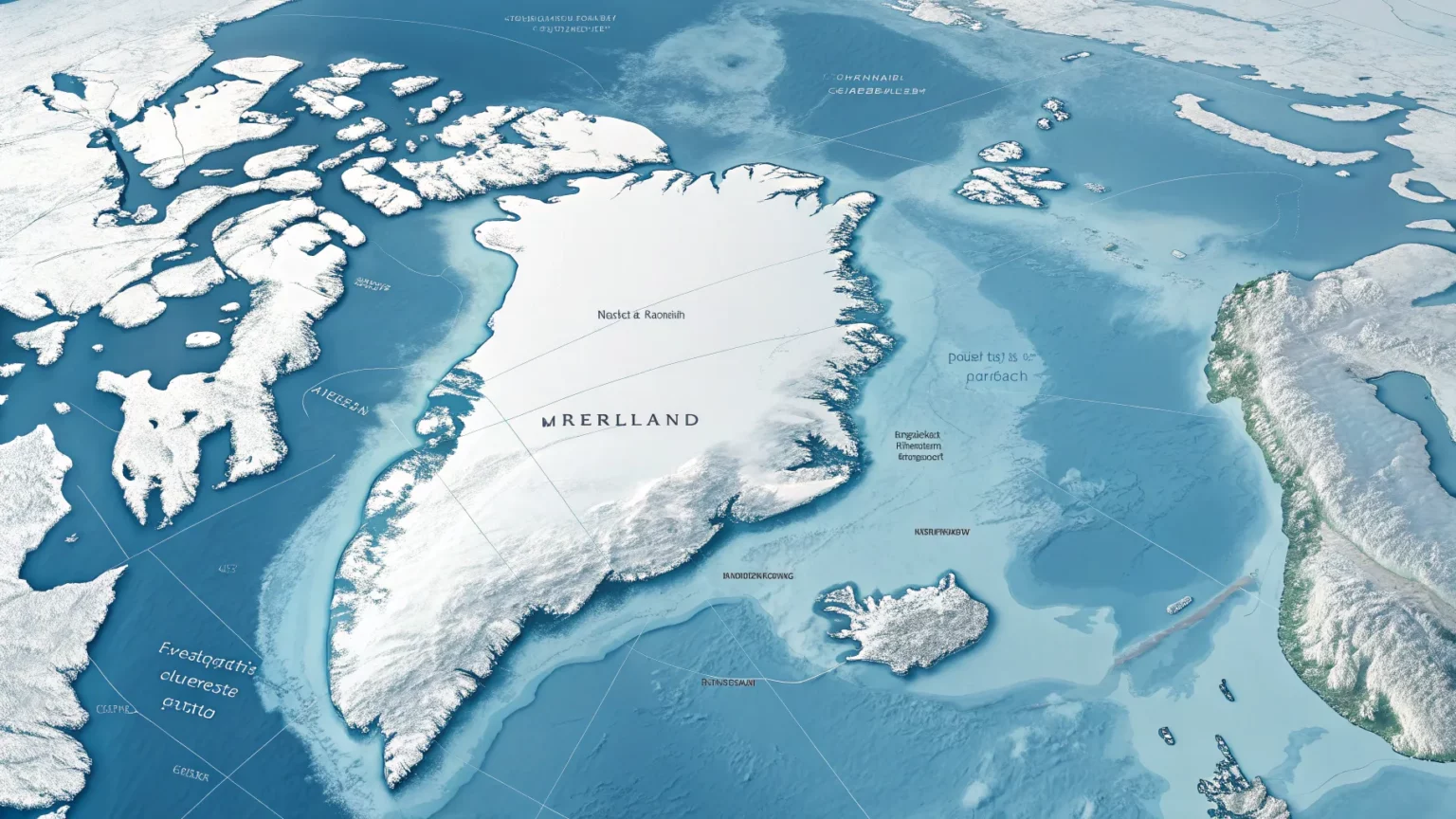
The U.S. military has long operated in Greenland. Thule Air Base, opened in the 1950s, hosts missile warning and space surveillance assets. Its location offers access to Arctic air and sea routes.
As summer ice recedes, shipping lanes are opening more often. That shift shortens travel between the Atlantic and the Pacific. It also increases the need for search and rescue, monitoring, and defense planning.
Greenland also holds minerals used in electronics, energy, and defense systems. Rare earth elements have drawn interest as supply chains shift. The island’s small population, about 56,000, faces pressure to balance economic growth with self-rule.
A History of U.S. Offers and 2019 Tensions
Washington’s interest in Greenland is not new. In 1946, the United States proposed buying the island from Denmark for $100 million, according to historical records. Denmark declined.
In 2019, Trump confirmed he had directed aides to study a purchase. He said the idea was a “large real estate deal” and framed it as strategic. The notion angered Danish officials and surprised Greenland’s leaders.
Danish Prime Minister Mette Frederiksen called the idea “absurd.” After the remark, Trump canceled a planned trip to Copenhagen. Greenland’s foreign ministry responded at the time, “We’re open for business, not for sale.”



Allies, Autonomy, and Legal Limits
Greenland governs its own domestic affairs under a self-rule arrangement. Denmark handles defense and foreign policy. Any shift in status would require agreement across multiple governments and Greenlandic voters.
Analysts say U.S. objectives in Greenland can advance through investment, science, and defense cooperation. That approach aligns with NATO ties and respects local self-government. It also avoids a fight with a close ally.
Denmark has increased Arctic spending and patrols. Greenland is seeking more control over mineral projects and fisheries. Both want economic development that fits local goals and the environment.
Russia, China, and the Arctic Competition
Russia has expanded Arctic bases and deployed new icebreakers. It treats the region as a key military frontier and trade route. Moscow also manages the Northern Sea Route along its coast.
China calls itself a “near-Arctic state” and has invested in research stations and mining. U.S. officials have warned about strategic leverage from such projects. They prefer allied investment with clear security safeguards.
Trump’s framing of Greenland as a security need reflects these concerns. It places the island at the center of an emerging great-power contest.
Economic Promises and Local Concerns
Greenland’s leaders support jobs and infrastructure but want control over terms. Mining and ports can bring revenue and risk. Fisheries remain the backbone of the economy.
Experts say stable rules and local consent are critical. Projects face scrutiny over environmental impact and outside influence. U.S. and European financing could offer alternatives to state-backed loans from rivals.
- Thule Air Base anchors U.S. early warning systems.
- Rare earths and critical minerals attract investors.
- New Arctic routes demand more patrols and safety infrastructure.
What To Watch
Washington has reopened a consulate in Nuuk and funded Arctic projects. More joint exercises and science programs are likely. Denmark and Greenland will press for respect of autonomy and law.
Trump’s new statement signals continued interest in Greenland’s role. The question is how to turn that interest into practical steps that support allies and local communities. Any proposal will be judged by its benefits and its respect for self-rule.
The next steps may center on defense upgrades, civilian infrastructure, and mineral partnerships with transparent terms. That path would address security concerns without another diplomatic clash. It would also signal that cooperation, not ownership, is the guiding idea.