




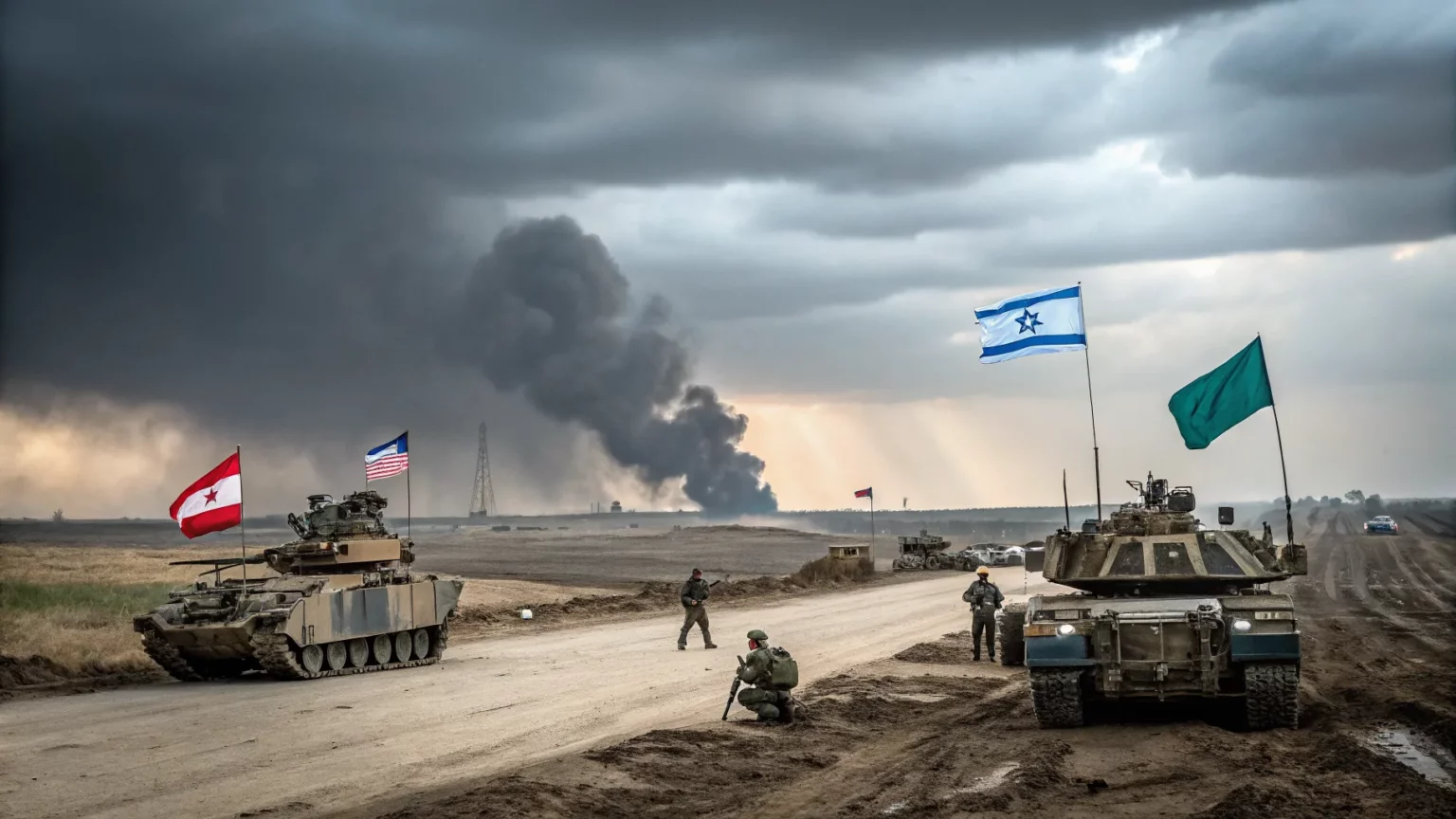
The confrontation involving the United States, Israel, and Iran has stretched into a third day, with all sides signaling they will raise the stakes. The latest exchanges point to a dangerous cycle that could widen into a broader regional crisis.
While details remain limited, the core message is firm. Each party appears unwilling to step back. The timing is sensitive. The region is tense. Many fear a misstep could trigger a larger clash that draws in neighbors and global powers.
“The U.S.-Israel conflict with Iran is extending into its third day with each side pledging escalation.”
Long Tensions Shape the Current Moment
The three countries have a long record of disputes and proxy confrontations. Israel views Iran as a security threat due to Tehran’s support for armed groups that oppose Israel. Iran sees Israel and the United States as adversaries that limit its influence and threaten its sovereignty.
This friction often appears in strikes, covert operations, cyberattacks, and sanctions. The United States backs Israel’s defense and seeks to limit Iran’s military reach. Iran pushes back through political pressure, regional partners, and asymmetric tactics.
Past flare-ups have sparked brief but intense exchanges. They have also prompted hurried diplomacy behind the scenes. This history suggests new incidents can widen quickly, even when none of the sides intend a large war.
Signals, Deterrence, and Domestic Pressures
Each side is sending signals to deter the others. Public vows to escalate can be read as warnings. They may also serve domestic audiences that expect resolve in a crisis.
For Washington, the priority is preventing a large regional war while protecting personnel and allies. For Israel, the focus is deterring attacks and curbing Iran’s reach. For Tehran, the aim is to show it cannot be pressured without cost.
These goals often clash. And they can lock all sides into postures that are hard to unwind without losing face.


Military and Non-Military Fronts
Escalation does not always look the same. It can include open military moves or deniable actions. It may also include steps that avoid gunfire but still raise pressure.
Possible fronts include:
- Air and missile responses that test defenses and resolve.
- Cyber operations against military or infrastructure targets.
- Maritime incidents that challenge shipping or oil flows.
- Sanctions, seizures, and legal steps that squeeze finances.
Each path carries risk. Military moves can trigger immediate retaliation. Cyber operations can spill over to civilian systems. Maritime pressure can rattle global markets. Financial steps can harden positions instead of forcing talks.
Regional and Global Stakes
The stakes go beyond the immediate players. Energy markets are sensitive to any hint of supply risk. Insurance rates for shipping can jump fast during crises. Travel advisories can affect trade and tourism in nearby states.
Allies and competitors will watch for signs of miscalculation. A larger conflict could pull in partners on both sides. That would raise costs and complicate any path to de-escalation.
Past crises in the region have shown that quick moves can have long echoes. A single strike can change calculations for months. A single misread message can set off a chain of unintended steps.
What to Watch Next
Several indicators will hint at where the standoff is heading and how fast it could change:
- Shifts in public rhetoric, including threats or offers of restraint.
- Visible military movements or alerts by any side.
- Attacks on infrastructure, cyber disruptions, or maritime incidents.
- Signals of third-party mediation or back-channel talks.
- Market reactions, including oil prices and shipping rates.
Clear communication can help lower the chance of a rapid slide into a wider fight. But the current tone suggests caution is needed. Vows to escalate leave little room for compromise in public view.
For now, the crisis remains fluid. It is at a point where one move can shape the next day’s choices. A pause for talks could open a path out of the cycle. A hard hit could close it.
The next steps by Washington, Jerusalem, and Tehran will set the course. The region will brace for the outcome, and the world will watch for any sign that pressure gives way to restraint.