




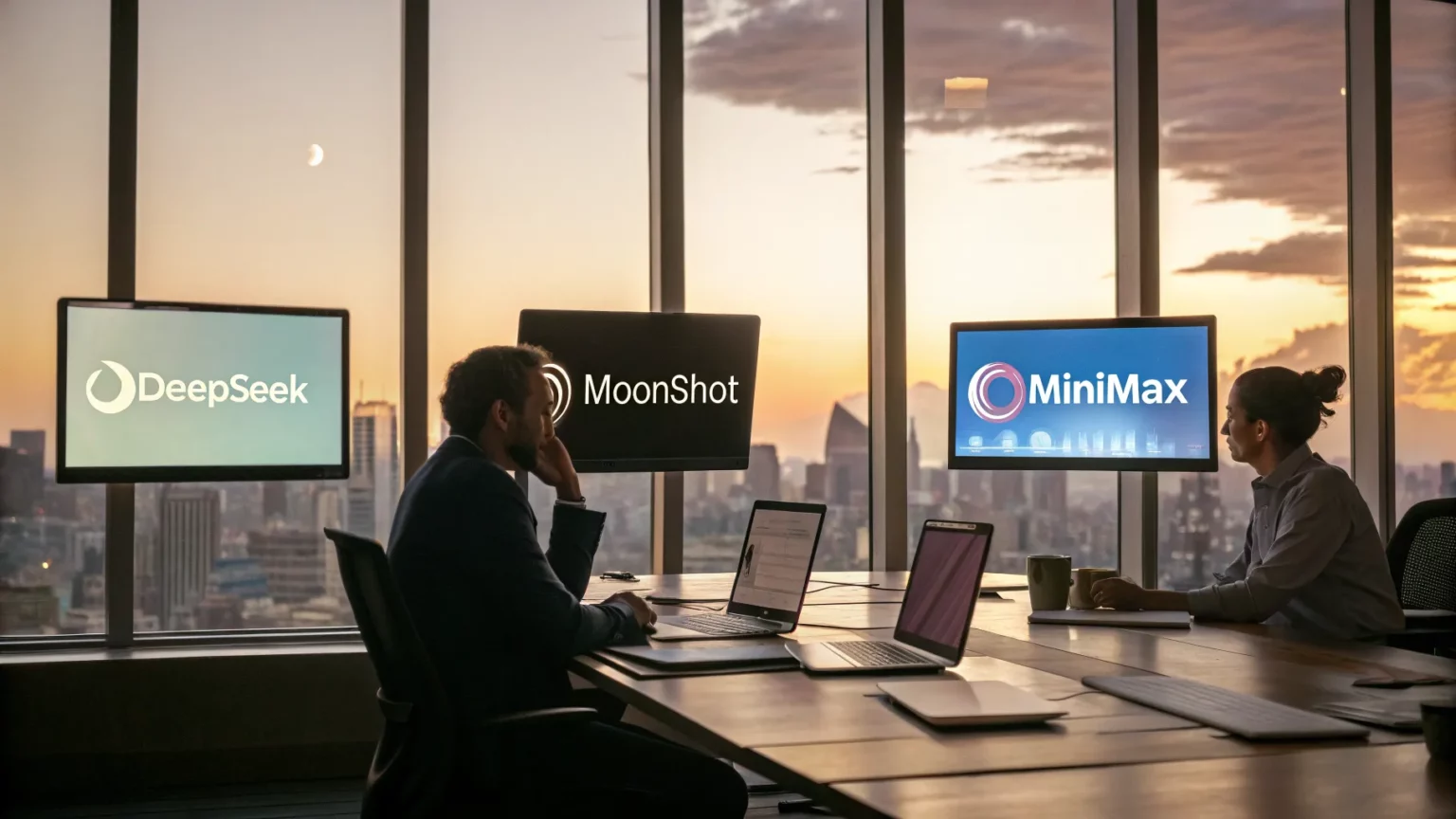
A United States technology company says it has identified actions by three competitors, DeepSeek, Moonshot, and MiniMax. The claim raises new questions about competition and conduct in the fast-growing artificial intelligence sector. The company did not release full details, but signaled that the findings prompted internal reviews and outreach to industry partners.
The statement arrives amid intense rivalry among AI developers. Many firms are racing to gain users, talent, and data. That pressure has driven rapid launches and bold tactics, and it has also brought new disputes over fair play and security.
What the Company Says It Found
“US company says it identified actions by rivals DeepSeek, Moonshot and MiniMax.”
The company’s description of the issue was brief. It did not specify what the actions were, how they were detected, or when they occurred. It also did not say whether it has contacted the firms named or notified regulators. Without those details, the scope and impact remain unclear.
Still, naming three direct competitors was a striking step. It suggests the company believes the activity had some business or security relevance. The firm also hinted that more information could follow once reviews conclude.
Context: A High-Stakes AI Contest
AI developers are competing to train larger models, ship new features, and win enterprise deals. That race can blur lines between acceptable competitive research and conduct that crosses legal or ethical limits. Companies also face pressure to protect their code, systems, and training pipelines.
Disputes in this area often touch on a few recurring themes. While the company did not tie its claim to any specific behavior, industry flashpoints tend to include:
- Unauthorized scraping or automated traffic hitting services
- Use of rivals’ outputs to train or benchmark models without permission
- Intrusions into developer tools, APIs, or evaluation frameworks
- Aggressive recruiting that risks misuse of confidential know-how
The brief statement may reflect legal caution. Publicly making detailed accusations can carry risk if evidence is still being gathered.
Responses and Reputational Stakes
DeepSeek, Moonshot, and MiniMax were not immediately quoted in connection with the claim. Each of these firms has worked to build brand trust while chasing rapid growth. For them, how they respond could matter as much as the facts. Clear answers and prompt engagement often ease market concerns.



For the US company, naming rivals without details also carries risk. Investors and users may press for documentation. If the company backs the claim with technical proof, it could reshape partnerships or prompt audits. If it does not, the move could be seen as pressure in a tight market.
What Experts Will Watch
Security analysts will look for evidence such as network logs, API telemetry, or model evaluation anomalies. They will also watch for third-party validation. Independent confirmation can turn a one-sided claim into a broader industry test case.
Legal observers will track any formal complaints. Those could go to regulators, courts, or industry bodies. The specifics—method, intent, and harm—will matter in deciding whether any rules were broken.
Customers will ask whether services were affected. Even minor disruptions or data exposure can change procurement decisions, especially in regulated sectors.
Possible Industry Effects
This dispute could speed up adoption of stricter access controls and rate limits on AI services. It may also push companies to publish clearer rules for model training and automated testing. Shared standards, while hard to craft, can reduce conflict and build buyer confidence.
Firms may increase red-team exercises focused on misuse by competitors, not just by threat actors. That would reflect a view that business rivalry can produce risks similar to classic cyber incidents.
Looking Ahead
The company said it had identified actions by DeepSeek, Moonshot, and MiniMax, but it has yet to share a technical brief. The next steps are key. Detailed evidence, neutral review, and direct engagement with the named firms would set the tone for what comes next.
If substantiated, the claim could spark tighter controls across AI platforms and more cautious collaboration. If not, it may fade as a symptom of a crowded market. In the near term, watch for documentation, any regulatory filings, and on-the-record replies from the three named companies.