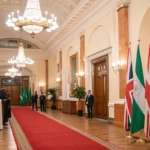
The United States raised its flag over its embassy in Caracas on Saturday for the first time since 2019, signaling a sharp turn in relations with Venezuela. The move comes amid fast-moving political changes and growing questions about the next phase of engagement between Washington and Caracas.
The ceremony marked a symbolic reopening after years of estrangement. It follows months of diplomatic talks and shifting positions on sanctions, migration, and energy. Officials offered few details on the scope of consular services or the pace of a full return, but the step suggests a new effort to manage ties after years of crisis.
What Happened
“The U.S. flag was raised Saturday over its embassy in Venezuela for the first time since 2019.”
Witnesses reported a small ceremony at the compound in eastern Caracas. There was no immediate release of a full staffing plan. U.S. officials have said in recent months that talks focused on public safety, humanitarian channels, and energy stability. Venezuelan authorities have signaled interest in renewed consular services for travel and family reunification.
Why It Matters Now
The return of an embassy presence could ease travel documentation and legal processes for Venezuelans. It may also give Washington more direct access to civil society, business, and humanitarian groups on the ground. For regional partners, an open diplomatic channel reduces the risk of miscalculation and helps coordinate responses to migration and security challenges.
- Consular services can support separated families and urgent legal cases.
- On-the-ground diplomacy can speed humanitarian coordination.
- Direct dialogue may help manage disputes before they escalate.
Years of Strained Ties
Relations broke down in 2019 when the United States withdrew diplomats and recognized opposition leader Juan Guaidó. Sanctions widened on state oil company PDVSA and senior officials. The embassy in Caracas shut, and consular matters shifted to third countries, complicating visas and emergency assistance.
By late 2022 and 2023, talks in Mexico and later in Bridgetown sought confidence-building steps. Washington offered targeted sanctions relief tied to electoral guarantees and prisoner releases. The Treasury issued limited licenses for energy companies to manage existing assets and support debt restructuring. Some measures were paused or adjusted as both sides traded accusations of noncompliance.
Energy and Regional Effects
Venezuela holds some of the world’s largest oil reserves, though output has fallen due to years of underinvestment, sanctions, and infrastructure failures. Even modest increases in supply can steady markets. A staffed embassy can help companies navigate compliance and safety as they assess risks and timelines.
Neighboring countries have pressed for a calmer relationship between Washington and Caracas. They face migration pressures, cross-border trade disruptions, and security concerns. A formal U.S. presence may improve information sharing with Colombia, Brazil, and Caribbean states on policing, port security, and humanitarian routes.

Humanitarian and Migration Considerations
Millions of Venezuelans have left the country in the past decade, creating one of the largest displacement crises in the Western Hemisphere. Aid groups say that reliable consular services and clearer legal pathways reduce exploitation and dangerous journeys. A reopened embassy could also help process humanitarian waivers and support health and education programs.
Rights monitors caution that lasting improvements depend on consistent access for independent observers and safeguards for journalists and activists. They argue that a durable thaw requires steps on due process, electoral rules, and the release of detainees.
Open Questions and Next Steps
The timeline for full services remains unclear. It is also uncertain how sanctions policy will evolve and what specific conditions will be tied to any future relief. Analysts say both governments have incentives to keep talking, but trust is thin and domestic politics in each country could complicate deals.
Key issues to watch in the coming weeks include:
- The scope of visa and passport services and emergency assistance.
- Any new licenses for energy operations and related compliance rules.
- Signals on election procedures, international observation, and judicial safeguards.
- Coordination with regional partners on migration and border security.
Raising the flag does not resolve years of strain, but it sets a practical channel for hard conversations. If both sides follow with clear steps on elections, humanitarian access, and legal protections, the opening could endure. If not, the embassy will be a symbol without momentum. Markets, migrants, and neighbors will be watching what comes next.