



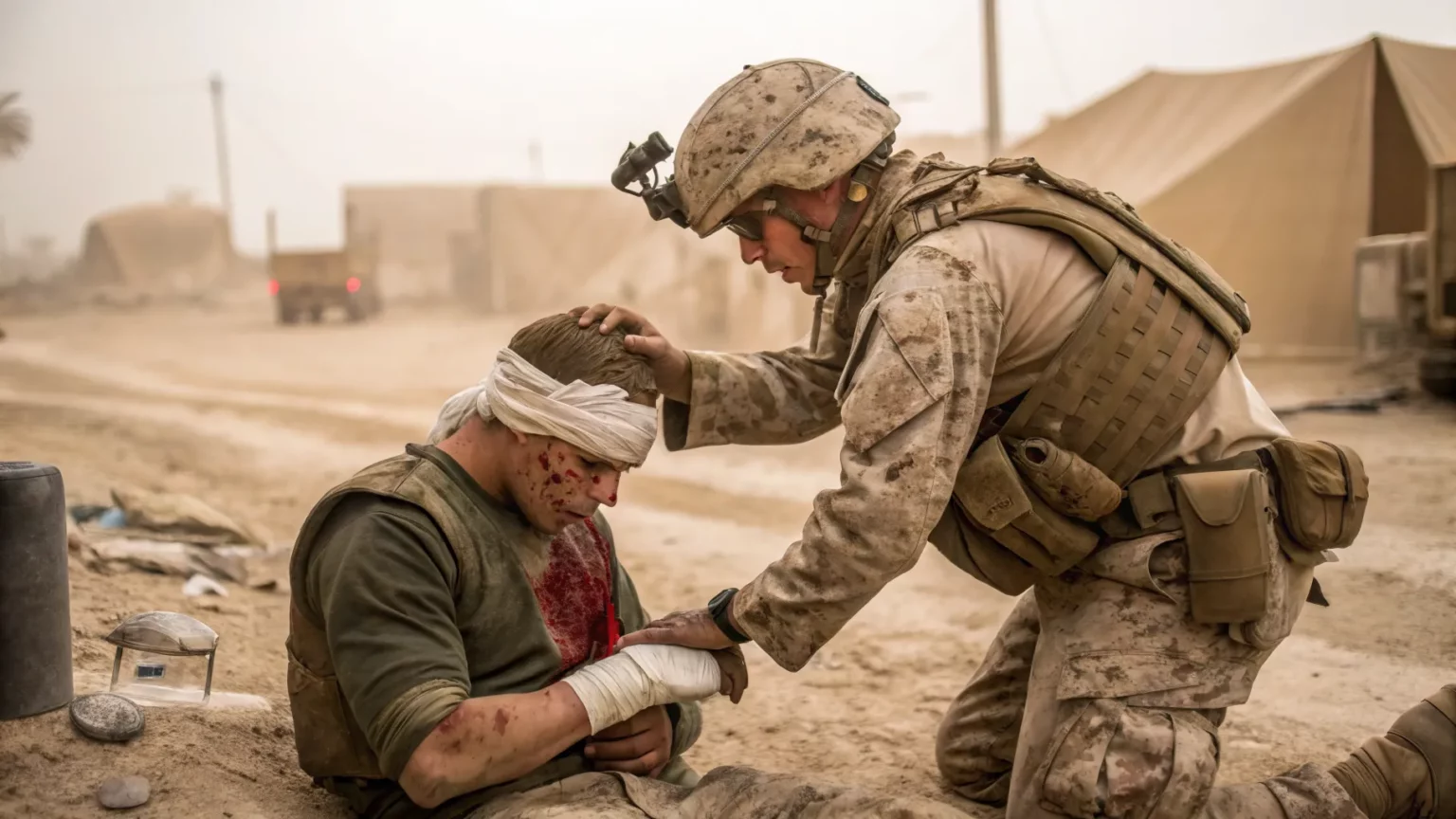
More than 300 Americans have been wounded in the Iran war, with over two dozen troops injured this week in strikes on a Saudi air base, according to reports. The renewed attacks, hitting a key hub that hosts U.S. personnel, have intensified pressure on Washington and its regional partners to protect forces while avoiding a wider conflict.
“The number of Americans wounded in the Iran war has grown beyond 300, with more than two dozen troops injured this week from attacks on a Saudi air base.”
The latest injuries highlight a grinding campaign of strikes and counterstrikes stretching across the Gulf. They also raise questions about base defenses, medical capacity, and the political will to absorb mounting casualties.
Rising Toll and Immediate Concerns
The figure of more than 300 wounded signals a sustained pace of risk for deployed units. This week’s hits on a Saudi installation show that threats can reach facilities once seen as relatively secure. Even non-fatal injuries can sideline experienced troops, stress medevac chains, and strain families back home.
Military planners will now reassess perimeter security, early-warning systems, and shelter infrastructure. The injuries also suggest shrapnel, blast concussions, and traumatic brain injuries may be a recurring pattern, which often require long-term care and careful screening.
Why These Bases Matter
U.S. forces operate across the Gulf to deter threats, protect sea lanes, and support partners. Saudi bases are key for logistics, surveillance, and rapid response. When these hubs come under fire, the effect is twofold: operations slow down, and the risk calculus shifts for commanders deciding where to stage aircraft, munitions, and personnel.
Attacks on high-value facilities also aim to send a political message. They test defense systems and probe for gaps. Each successful strike, even without fatalities, can erode confidence and invite copycat tactics.
Context and Escalation Risks
U.S.-Iran tensions have flared repeatedly over the past decade, from nuclear talks and sanctions to strikes on energy sites and militia activity across the region. Patterns from earlier flare-ups show that proxy groups often target bases, fuel infrastructure, and ships to apply pressure without triggering direct state-on-state war.
Analysts warn that sustained injuries can shift public opinion and harden policy. Leaders face a narrow path: deter further attacks, protect troops, and keep diplomatic channels open enough to prevent a spiral.



What the Numbers Tell Us
More than 300 wounded is not just a statistic. It means recurring medevacs, rotating care teams, and increased costs for treatment and rehab. It also hints at the tempo of attacks. If more than two dozen were hurt in a single week at one location, other sites may face similar pressure.
- Logistics: Added armor, shelters, and base hardening will be prioritized.
- Medical care: Expanded screening for blast injuries and faster triage protocols.
- Operations: Dispersed basing and more frequent movement to reduce predictability.
Regional and Global Stakes
Saudi Arabia’s role is central. It hosts U.S. assets, shares intelligence, and faces its own risks when bases are targeted. Attacks on its soil can strain ties, prompt new security demands, or accelerate upgrades to air defenses. For global markets, any hint of instability around critical energy routes can nudge prices and unsettle investors.
Allies in Europe and Asia will watch how Washington responds. A measured reply that boosts protection without widening the war could calm partners. A sharp escalation, on the other hand, might draw in more actors and complicate diplomacy.
The Road Ahead
Commanders will likely intensify base defenses, rotate units to ease strain, and widen surveillance for drones and rockets. They may also adjust rules for dispersing aircraft and munitions to make high-impact hits less likely.
Policymakers must weigh deterrence against the risk of miscalculation. Clear communication, steady defensive upgrades, and a focus on protecting personnel are the immediate tasks. Reducing the injury rate, even by small increments, would signal progress without forcing a broader fight.
The latest injuries are a stark reminder: the costs of this conflict are growing in human terms. The next few weeks will show whether tighter defenses and careful diplomacy can slow the pace of attacks, or whether the tally keeps climbing.