

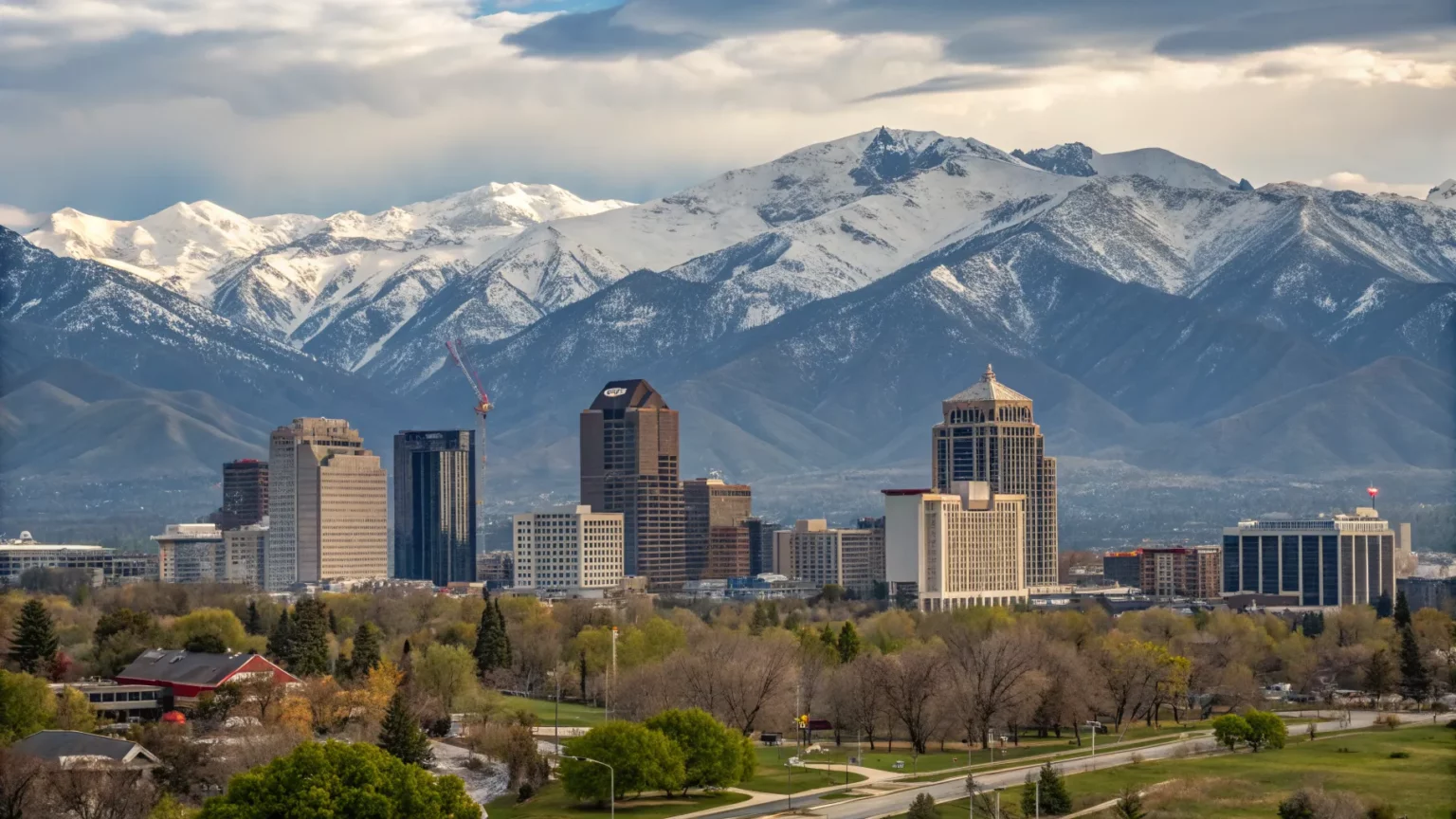
Salt Lake City’s image as a calm, scenic capital is colliding with a period of fast growth and rising environmental concern, raising a simple question with bigger stakes: can the city stay serene while it gets busier? The conversation touches tourism, housing, and air quality in Utah’s seat of government, where snow-capped peaks frame a maturing downtown.
“The capital of Utah is scenic and serene.”
The city sits between the Wasatch Range and the Great Salt Lake, a setting that draws hikers, skiers, and conference crowds alike. Yet residents also face winter inversions that trap pollution, summer heat that pushes ozone higher, and a housing crunch fueled by a growing economy. Officials and longtime locals say the city’s future depends on how it handles these twin realities: stunning outdoors and growing pains.
Scenery Meets Daily Life
From the steps of the State Capitol, visitors can see ridgelines and a grid of tree-lined streets. Trails begin a short drive from downtown, and several ski resorts sit within an hour. That easy access feeds a steady stream of visitors and a thriving outdoor industry.
City planners highlight transit expansions, new bike lanes, and public space upgrades meant to keep streets welcoming. Neighborhoods have added small parks and shaded paths to make summertime more bearable. The city’s draw, they say, is not only the view but the day-to-day comfort it offers.
Growth Pressures Test Serenity
With more people moving in, the cost of living has climbed. Apartments near transit hubs have filled quickly, and single-family neighborhoods—once quiet—now see more traffic and teardowns. Residents at community meetings often back new housing but want it designed to fit the scale and feel of their blocks.
Air quality remains a sticking point. Winter inversions can turn blue skies gray, and summer wildfire smoke from the West can drift into the valley. Health groups urge tighter emissions rules and less driving on bad-air days. City leaders say cleaner buses, more rail trips, and energy-efficient buildings are part of the answer.
The Great Salt Lake’s Big Shadow
Environmental scientists warn that the shrinking Great Salt Lake carries health and economic risks. Exposed lakebed can send dust into nearby communities, while a smaller lake threatens habitats and tourism tied to its unique waters. State agencies have pressed conservation and smarter water use, while farmers, cities, and businesses debate how to share a limited supply.
Local advocates argue that the city’s calm reputation depends on a healthier lake. Without it, they say, winds will kick up more dust, and views will lose some of their draw.



Culture, Faith, and Public Spaces
Salt Lake City’s identity is shaped by its pioneer past and the headquarters of The Church of Jesus Christ of Latter-day Saints. Temple Square draws visitors year-round, and festivals fill city blocks in spring and summer. That mix of heritage and public life gives downtown a civic heartbeat that out-of-towners might not expect from a capital known for quiet streets.
Business leaders point to the convention center’s busy calendar and a tech corridor to the south as signs of a wider regional boom. They pitch the city as a place where teams can take a morning meeting and still catch a sunset on a trail.
What To Watch Next
- New housing near transit stops, built to ease costs while keeping neighborhoods walkable.
- Clean-air steps, including transit upgrades and building standards that cut emissions.
- Water policy changes aimed at stabilizing the Great Salt Lake.
Salt Lake City’s appeal is not in doubt. But keeping it scenic and serene will take steady choices about growth, water, and clean air. The next few years will show whether the capital can hold its calm while it adds new homes and jobs. For residents and visitors alike, the stakes are simple: clear skies, open trails, and a city that still feels like itself.