




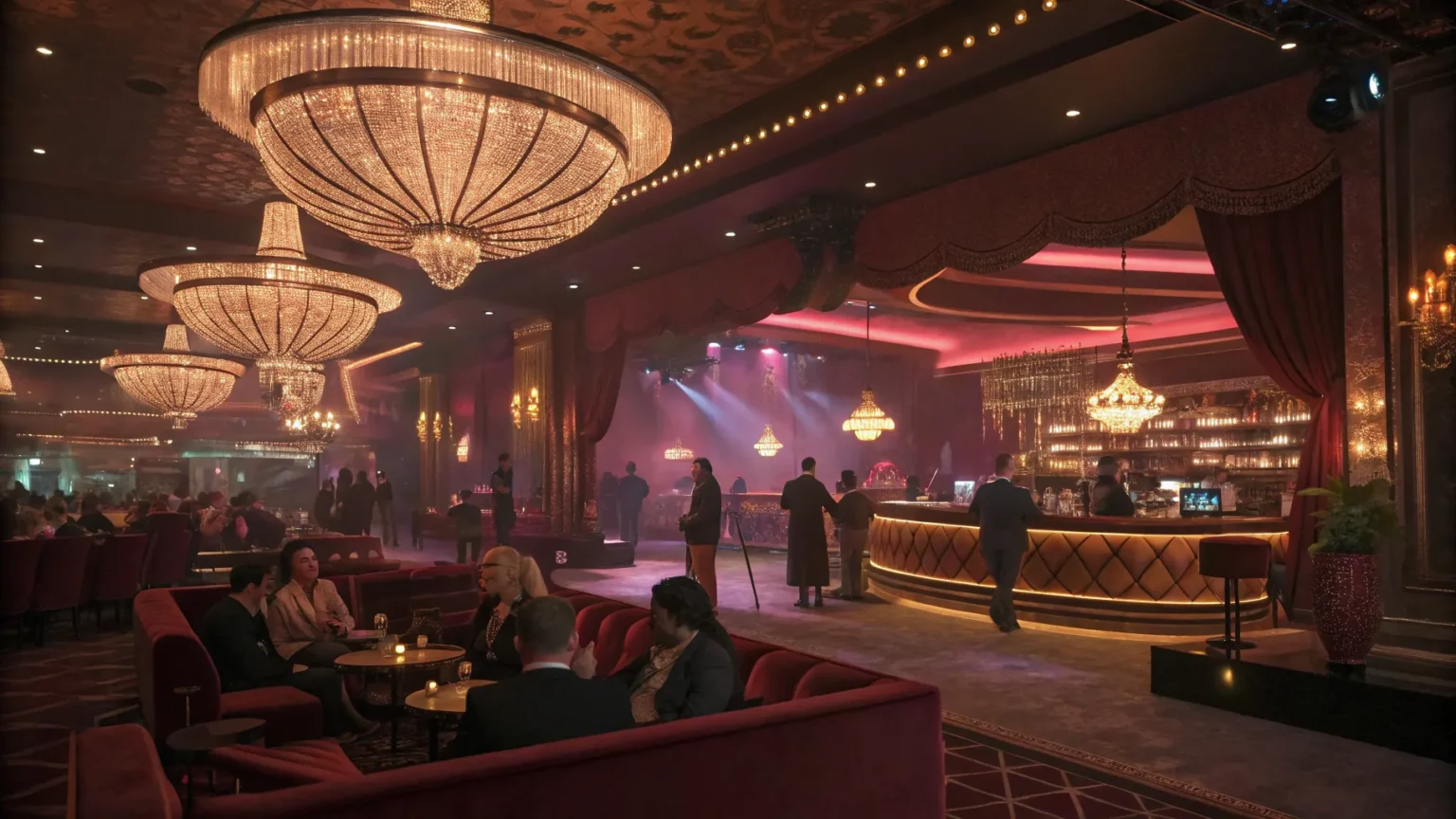
A new magazine profile has reignited interest in Hollywood’s wild noughties, promising fresh details on the A-list party circuit and a rare look at Prince’s extravagant daily routine. The story lands as Los Angeles wrestles with its past and rewrites its social playbook, raising questions about who benefited, who was harmed, and why this era still holds such pull.
The piece arrives amid a wave of nostalgia for the early 2000s, when paparazzi trailed starlets from velvet ropes to valet stands and gossip blogs turned nightlife into a spectator sport. It also hints at the private world of Prince, the visionary artist whose work ethic, mystique, and strict control over his image set him apart even in a decade known for excess.
“A new Vanity Fair profile pulls back the curtain on Hollywood’s legendary party scene during the noughties – along with a glimpse of what Prince’s epic lifestyle.”
The Scene: Bottle Service, Flashbulbs, and Power Lists
In the noughties, Los Angeles club culture ran on exclusivity and spectacle. Entry lines were social rungs. Publicists brokered access. A table wasn’t a table without bottles and a camera-ready crowd. The arrival of smartphones and TMZ in the mid-2000s turbocharged the feedback loop. Every night out risked becoming tomorrow’s headline.
This era minted new kinds of fame. Reality TV stars shared space with legacy actors and pop icons. VIP rooms turned into stages, and the sidewalk outside became the arena where images were made and unmade. The profile’s timing taps a familiar appetite: a look back at how influence and nightlife fed each other before social media took full control.
Prince, Privacy, and the Myth of Effortless Excess
The profile’s suggested look at Prince’s routine carries special weight. Few artists guarded their privacy as closely while still dominating culture. He worked at a relentless pace and demanded precision from collaborators. Parties, for him, often doubled as performance and rehearsal, blurring the line between leisure and labor.
Across the decade, Prince’s gatherings—when they happened—were curated affairs, more salon than free-for-all. He used space, dress codes, and late-night start times to control energy and attention. The result was a sense of wonder without losing discipline. That balance separates him from the caricature of noughties debauchery.
Reassessment After the Hangover
Revisiting this period is not only about glamour. It is also about accountability. The power dynamics that controlled the door sometimes mirrored deeper inequities in the business. Since 2017, the industry has faced a public reckoning. Standards have shifted. Consent, safety, and workplace rules now shape what used to be dismissed as “just nightlife.”
Wellness culture and sobriety movements gained ground in the 2010s, changing how stars socialize. Many now favor private dinners, charity events, and tightly managed house parties. The decline of open paparazzi ecosystems reduced the incentive to turn every night out into a brand stunt.



Why This Story Lands Now
Pop culture is in a full noughties revival. Fashion trends from that time are back. Playlists are stacked with decade hits. Streaming series revisit the era’s scandals with a cooler eye. A marquee feature on the party circuit helps explain how fame was manufactured before TikTok—when a club cameo could shape a career.
- Mid-2000s: rise of gossip sites and camera phones.
- 2010s: social media takes over image-making.
- Late 2010s onward: cultural reckoning reshapes norms.
The article also feeds a growing interest in process over spectacle. Prince’s example—discipline wrapped in enigma—offers a counterpoint to empty excess. Readers are less interested in who stayed out late and more in how power, art, and image were engineered.
What to Watch Next
If renewed attention sparks fresh reporting, expect deeper dives into the economics of nightlife: who paid, who profited, and how pay-to-play guest lists shaped coverage. Archival photo agencies, former promoters, and publicists could provide receipts. There is also room to track how today’s invite-only creator houses echo the old VIP room, with algorithms replacing doormen.
For music fans, any added detail on Prince’s routines will draw keen interest. His legacy remains defined by unmatched output and strict creative control. A sober view of his schedule—rather than mythmaking—could help explain how he sustained decades of reinvention.
The new profile’s promise is simple: not just nostalgia, but insight. The noughties were about image, access, and stamina. The city has changed, yet the questions remain. Who gets in, who sets the rules, and what does the party cost when the lights come up?