

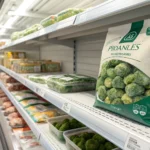



In a move that could reset expectations in the grocery aisle, Walmart said it will remove synthetic dyes from its private label foods across multiple categories, including pantry items, frozen foods, and cereals. The retailer, the largest in the United States, described itself as the first major store to take this step across its own brands, signaling a shift in how additives are handled in mass-market products.
The decision arrives as parents, health advocates, and regulators debate the role of artificial colors in food. It also places pressure on suppliers and rival chains to follow suit or explain why they will not. Walmart’s private brands have a broad reach, making this change significant for everyday shoppers.
“Walmart, the nation’s largest retailer, will become the first major store to remove synthetic dyes from its private label food brands across multiple categories including pantry, frozen and cereals.”
What Walmart Plans To Change
The retailer’s pledge covers a wide range of everyday items. Pantry staples, frozen meals, and breakfast cereals are among the first targets. While Walmart has not detailed the timeline or every product involved, the scope suggests a major reformulation effort across store-brand lines that sit on millions of shelves.
Removing synthetic colors requires new recipes, supply chain adjustments, and frequent testing to keep taste and appearance consistent. Food scientists often turn to natural alternatives like beet juice, spirulina, and paprika extracts to achieve similar shades. These alternatives can raise costs and present stability challenges, especially in products that face heat or long storage.
Why Synthetic Dyes Face Rising Scrutiny
Artificial colors such as Red 40, Yellow 5, Yellow 6, Blue 1, and Red 3 are approved by the U.S. Food and Drug Administration when used within set limits. Yet research over several decades has examined possible links between some dyes and hyperactivity or behavioral concerns in children. Findings vary, but public pressure has grown, particularly among parents seeking fewer additives in school snacks and breakfast foods.
- Common synthetic dyes include Red 40, Yellow 5, Yellow 6, Blue 1, Blue 2, Green 3, and Red 3.
- Natural color sources include beet, turmeric, spirulina, annatto, and paprika extracts.
Consumer groups have urged clearer labeling and safer substitutions. Several major brands have already reduced or removed some artificial colors in selected items. Walmart’s plan goes further by extending the policy across its private-label portfolio.
Regulatory And Market Context
Regulators in the U.S. continue to review color additives, while some states have acted on related ingredients. California’s recent law targeting certain food additives has kept attention on what goes into packaged foods, even though most synthetic colors remain permitted at the federal level. In Europe, some dyes require warning labels about possible effects on activity and attention in children, prompting earlier product changes by manufacturers there.
Private label products are a growing part of customer baskets across the grocery sector. During periods of high inflation, shoppers often trade down from national brands to store brands. As a result, changes to private labels can quickly affect millions of households. Analysts say Walmart’s move may shape expectations across discount, club, and traditional supermarkets.



Impact On Suppliers And Shoppers
Suppliers that make Walmart’s store-brand products will face reformulation costs and new sourcing needs. Some may need to secure natural color concentrates, revise packaging, and navigate new quality checks. The scale of Walmart’s purchasing could speed up supply of natural colorants and push prices down over time.
For shoppers, the most visible change may be subtler colors in items like cereal or snacks. Flavor and texture are not directly tied to color additives, but perception matters. Companies will aim to keep taste profiles steady while adjusting hues. If costs rise, the retailer will face pressure to keep prices stable in a competitive grocery market.
What To Watch Next
Key questions still open include the timeline for the full phase-out and whether national brands sold at Walmart will follow. Rival chains could announce similar plans or narrower policies targeting children’s foods or high-sugar items first. Testing and transparency will be critical, as families look for clear ingredient lists and consistent labeling.
Public health experts will watch how manufacturers replace synthetic colors and whether new ingredients trigger allergy or sourcing issues. Regulators may also review fresh data on additives as industry practices change.
Walmart’s shift marks a strong response to customer concerns and market trends. If successful, it could accelerate a broader move toward fewer artificial colors in mainstream packaged foods. The next few product cycles will show how fast the change reaches the shelf—and whether competitors choose the same path.