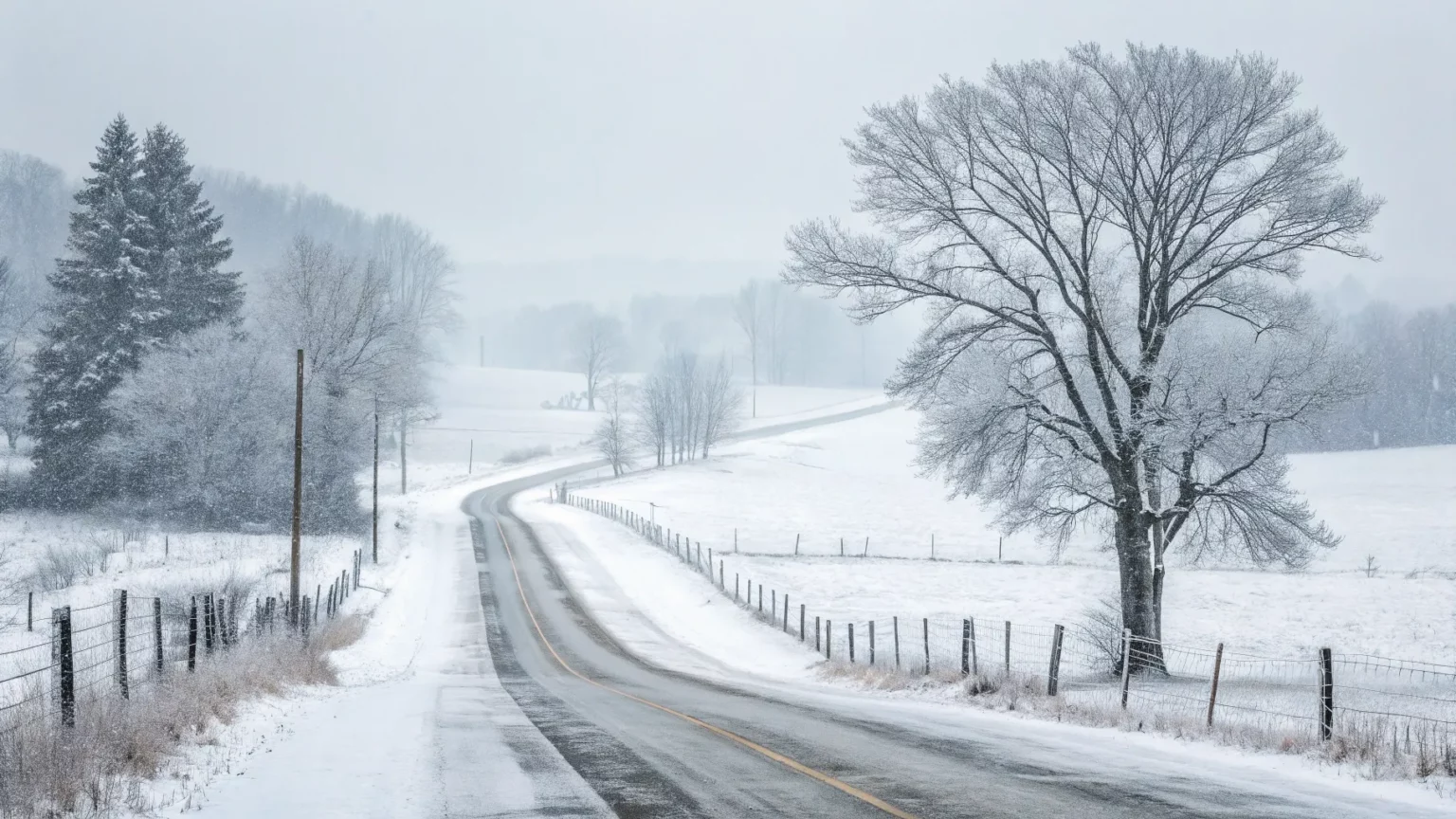
Michigan drivers were urged to slow down and stay alert as state officials warned of a day filled with dangerous snow and near-zero visibility. The advisory covered major roadways and local streets, where fast-changing conditions turned commutes into a guessing game. The core message was clear: stay off the roads if possible.
“Severe snowy weather, causing whiteouts and poor road conditions throughout the day.”
That was the warning from Michigan state officials, who said visibility dropped without warning and plows struggled to keep up. The alert followed hours of steady snowfall and strong winds sweeping across open stretches of highway.
Why Conditions Deteriorated So Quickly
Whiteouts happen when wind lifts snow into the air, erasing the horizon and making brake lights disappear. Even short bursts can cause chain-reaction crashes. Michigan’s wide fields and long highway corridors can make drifting worse, especially near overpasses and open farmland.
Plow crews can clear lanes, but wind can refill them in minutes. Salt loses effectiveness as temperatures fall, which turns slush into ice. That mix can catch even careful drivers off guard.
Impact On Travel And Daily Life
Officials cautioned that road speeds should drop well below posted limits. They warned that black ice may sit under fresh powder. Emergency responders often see spinouts at ramps and on bridges first, where elevated surfaces ice up faster.
Commuters faced longer travel times and unexpected detours. Delivery schedules slipped. Schools and offices weighed early dismissals or remote options. The message from the state was steady and simple: do not rush.
“Whiteouts and poor road conditions throughout the day.”
What Drivers Can Do Right Now
Safety steps remain straightforward, but they matter most when visibility vanishes. Small choices can prevent big crashes.
- Slow down and leave extra space.
- Use low beams, not high beams, in heavy snow.
- Avoid sudden braking; steer gently to correct.
- Keep the gas tank at least half full.
- Carry a scraper, blankets, and a phone charger.
How This Fits Michigan’s Winter Pattern
Michigan winters often bring gusty squalls that change minute to minute. Even a few inches can cause trouble when wind speeds rise. Lake-effect bands can set up quickly, then shift miles in an hour. Communities just down the road can see entirely different conditions.



Transportation crews train for this. They pre-treat surfaces when they can, then cycle plows through high-traffic routes first. But during an active burst, the snow wins the race for a while. That’s why officials stress patience more than anything.
What To Watch In The Hours Ahead
Officials said conditions will remain variable until wind eases and road chemicals can work. Visibility may swing from clear to near-zero in seconds. Drivers should plan for slower commutes and check local alerts before heading out.
If wind relaxes, plows can widen cleared lanes and improve traction. If it stays strong, drifting will keep lanes narrowed and hide ice at intersections. The first clear sign of improvement will be steady pavement lines and fewer snow plumes crossing roads.
Balancing Speed And Safety
There’s a simple tradeoff every winter driver knows: speed up, and risk goes up with it. Officials urged drivers to treat posted limits as a ceiling, not a goal. They added that four-wheel drive helps you go, but it does not help you stop on ice.
The sharper takeaway is this: whiteouts remove the one thing drivers need most—time to react. Slowing down gives that time back.
As plows work and winds shift, the picture should improve, but caution will pay off well after the last flakes fall. Expect uneven conditions, watch for sudden drops in visibility, and check road alerts before leaving. The safest strategy today is simple: take it slow, keep your distance, and let the storm pass.