




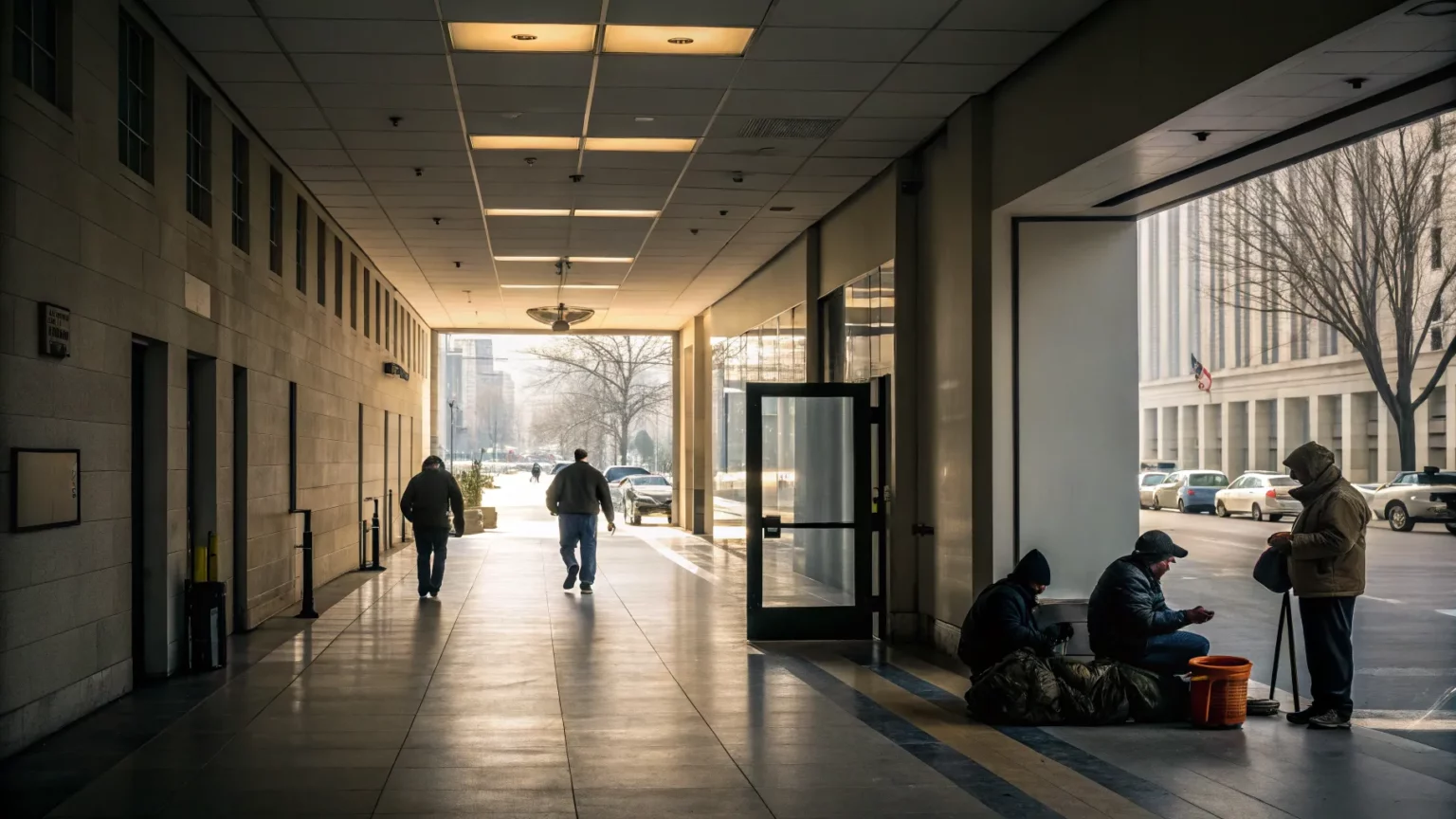
The federal government shutdown that began Wednesday is drawing fresh concern about the U.S. economy, as questions mount about how long it will last and who gets hurt first. An Associated Press reader, Ryan S., asked how the stoppage might affect growth. Early signs suggest this shutdown could be tougher than recent ones, with ripple effects reaching workers, businesses, and state programs that rely on federal support.
“Shutdowns of the federal government usually don’t leave much economic damage. But the one that started Wednesday looks riskier.”
Most past shutdowns have been short and ended with limited long-term harm. This time, the timing, the size of affected agencies, and the potential for a longer standoff raise the stakes for households and markets.
What Makes This Shutdown Riskier
Economists say the impact turns on three factors: duration, breadth, and confidence. The longer the stoppage, the more paychecks are delayed, the more contracts pause, and the more households pull back on spending.
When large agencies are hit, delays spread quickly across the economy. Permits stall, research grants stop, and loans slow. Each delay can add costs for private companies and local governments.
Confidence can fall even before paychecks stop. Households and businesses tend to hold off on big purchases when the outlook is unclear. That drag can show up in sales, hiring plans, and investment decisions within weeks.
Immediate Hits to Growth and Services
During a shutdown, hundreds of thousands of federal workers are furloughed or work without pay. Contractors often receive no back pay, which can lead to more permanent income loss in local communities.
- Delayed pay weighs on spending in retail, dining, and travel.
- Small Business Administration loans can get stuck, slowing expansions and hiring.
- Permitting and inspections pause, affecting housing, energy, and transport projects.
- Research funding and clinical trials may be disrupted, risking delays in health and science.
Even if workers receive back pay later, missed bills and late fees can linger. For contractors and gig workers tied to federal sites, lost income is often permanent, which means no catch-up spending after the shutdown ends.
Lessons From Past Shutdowns
History shows shutdowns can leave a dent, especially if they drag on. In 2013, S&P estimated the 16-day shutdown reduced fourth-quarter GDP by about $24 billion. In 2018-2019, the Congressional Budget Office said the five-week shutdown lowered output by $11 billion, with $3 billion never recovered. Those episodes show that some losses are not made up, particularly for contractors and missed business activity.


Past disruptions also highlight uneven effects. Tourist communities near national parks saw steep drops in bookings. Airports reported longer lines when screening staff shortages grew. Scientific work paused at labs and universities reliant on federal grants. While broad gauges often bounced back, many local impacts lasted longer.
Small Businesses and Markets Brace
Small firms, which rely on SBA loans, government contracts, or timely permits, face early pressure. A week or two can force owners to delay payroll or shelve projects. Lenders may tighten standards as uncertainty rises, increasing borrowing costs for Main Street.
Financial markets usually treat shutdowns as noise if investors expect a quick deal. But a long impasse can raise volatility. Delayed economic data releases also make it harder for investors and the Federal Reserve to judge the economy, feeding swings in rates and stocks.
What to Watch Next
The most important signal is duration. A few days would likely mean a small, reversible dip in growth. Several weeks would deepen the hit to spending and investment. Another key factor is which services get exceptions. The more staff deemed essential, the smaller the initial damage, though unpaid work still weighs on households.
Consumer sentiment bears close watching. Confidence can weaken faster than output, and it is crucial for holiday retail and travel seasons. State and local budgets may also feel pressure if federal reimbursements or grants pause.
If a deal arrives soon, much of the lost activity could return. If not, the U.S. could see slower growth this quarter, weaker hiring in exposed sectors, and tighter financial conditions.
For now, the guidance is cautious. The economy can absorb a short stoppage. A long one could strain families, stall small business plans, and chill investment, with losses that do not fully come back. The next few days—who returns to work, which services resume, and whether negotiations progress—will signal how deep the damage runs and how quickly the recovery can begin.