


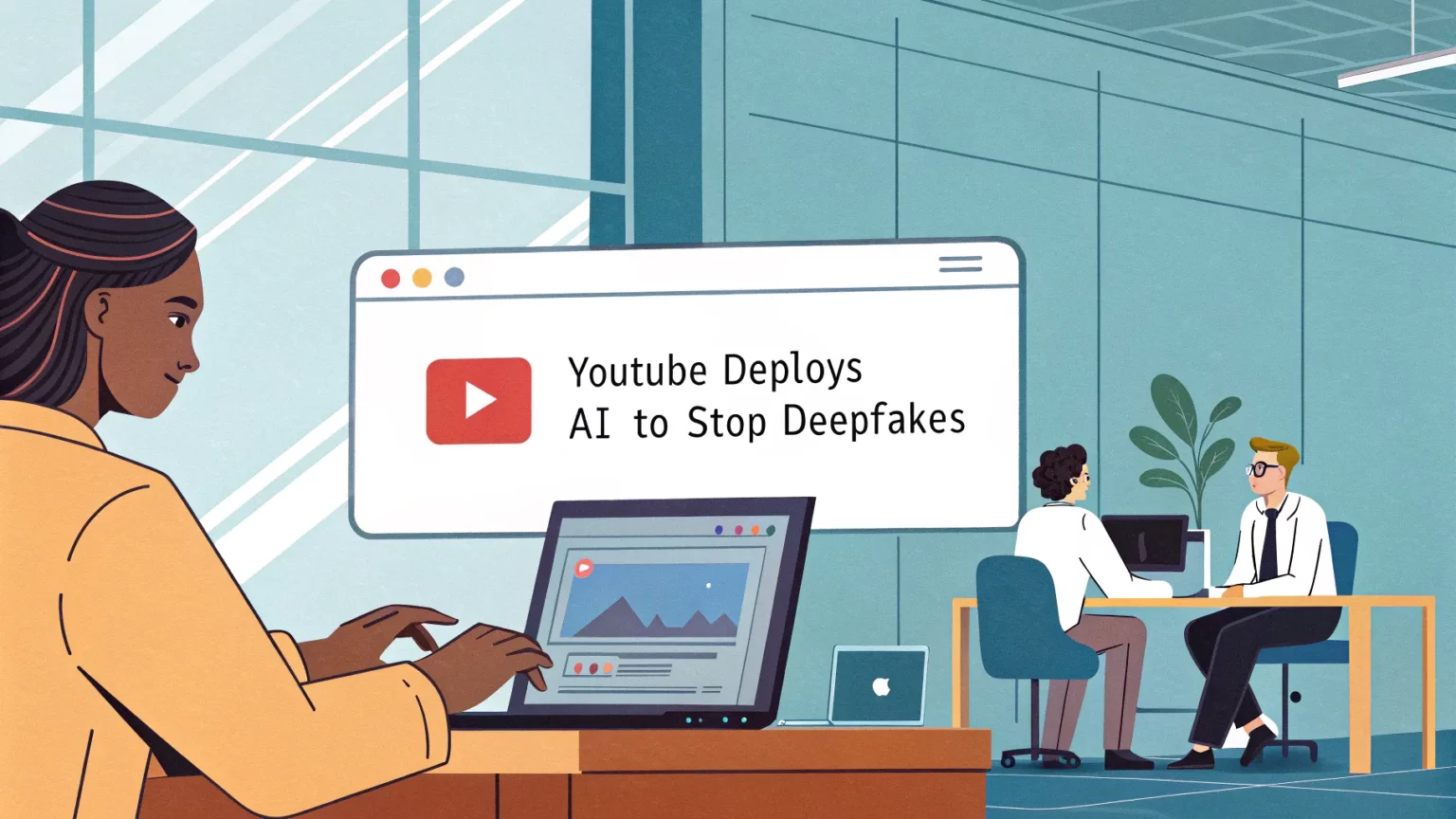
YouTube said it is rolling out artificial intelligence tools to help creators spot and remove AI-made videos that misuse their likeness. The move aims to protect identities and set clearer limits on synthetic media across the platform. The announcement comes as creators face a surge in deepfakes and as regulators weigh new rules on the use of generative tools online.
“YouTube is using AI to help creators detect and remove AI-generated videos that misuse their likeness, protecting identities and promoting responsible innovation.”
What YouTube Announced
The company said it will use AI to flag videos that copy a person’s face or voice without permission. The tools are designed to help channel owners report abuse faster and support removal when a video appears to impersonate someone. While details on the product’s interface were not provided, the focus is on detection and enforcement rather than creative features.
The promise is twofold: limit harmful impersonation and set a clearer standard for how synthetic media should be labeled and shared. The company framed the effort as a safety feature for creators who worry about unauthorized clones spreading online.
Why It Matters for Creators
Deepfakes can damage reputations, mislead fans, and erode trust with advertisers. Creators have reported cloned voices used in scam promotions and fake endorsements. For smaller channels, fighting such uploads can be slow and costly.
By moving detection into the platform, YouTube is signaling that creators should not face this alone. Faster takedowns could reduce the reach of harmful clips and the time creators spend filing complaints.
How Detection and Takedown Could Work
YouTube did not outline technical specifics, but platform-led detection typically looks for patterns common in synthetic media, such as visual artifacts or audio mismatches. The system could surface likely matches to a creator’s known content and provide a streamlined report path.
- Flag suspected face or voice clones for review.
- Allow creators to submit claims with supporting links.
- Remove or label content that violates policy.
Human review remains key. Automated systems can make errors, and appeals processes are important to avoid over-removal of satire, commentary, or clearly labeled parody.
Legal and Policy Context
Lawmakers are tightening rules on deceptive deepfakes. Several U.S. states restrict AI-made impersonations in election ads, and some have civil remedies for victims of non-consensual deepfakes. The European Union’s AI Act includes transparency duties for synthetic content, including labeling obligations for deepfake material.



Industry groups have pressed for consent standards around voice and likeness, especially after disputes in film, TV, and music over digital replicas. Clear consent and clear labels are fast becoming baseline expectations.
Industry Reaction and Next Steps
Advocates for digital rights generally support tools that give individuals control over their image and voice. They also warn that platforms must avoid sweeping removals that chill satire or news reporting. The balance hinges on consent, context, and clear labels.
For advertisers, stronger impersonation controls may reduce brand risk. Agencies have pulled campaigns in the past when fake endorsements spread on social video. Better detection could keep ads from appearing next to misleading content.
For viewers, labels and rapid removals can help sort real from fake. Clear signals reduce confusion and slow the spread of hoaxes that rely on shock value. Still, detection will be a moving target as new generation tools improve.
What To Watch
Expect questions about accuracy, appeals, and transparency. Creators will want metrics on detection rates and time-to-removal. Civil society groups will push for public reporting on takedown outcomes and mistakes. Rights holders will test the system with known impersonation cases. And regulators will watch how the platform enforces consent and labels during major news events and elections.
The plan marks a step toward platform-level defenses against misuse of AI. The details—how fast, how fair, and how transparent—will decide its impact. If the tools reduce harm without sweeping away lawful speech, creators may gain a safer space to work. If false positives pile up or appeals lag, pressure will build for changes. Either way, the push to curb deepfakes is now squarely on the platform’s agenda.