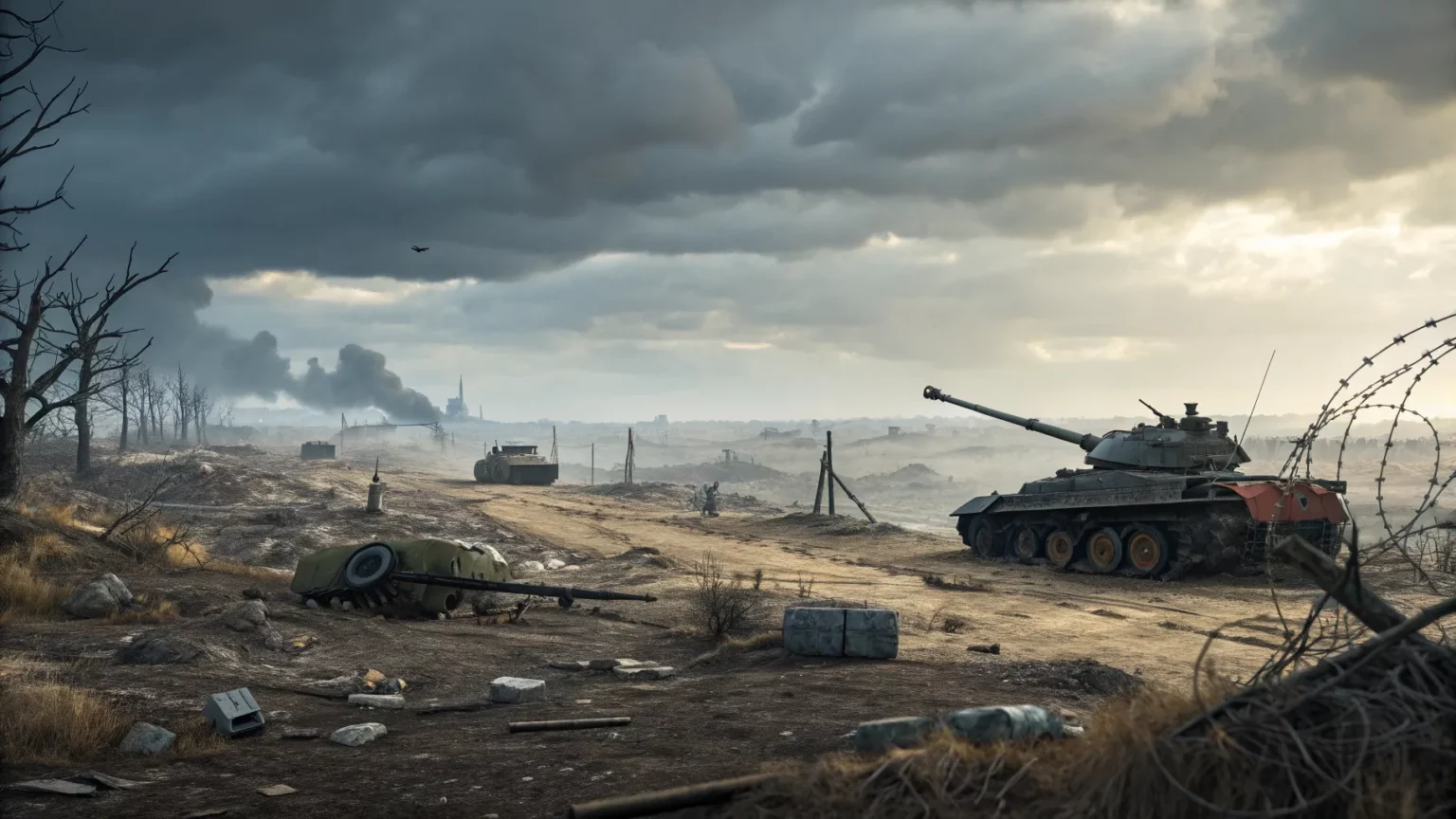
The Russia-Ukraine conflict has now stretched to 1,294 days, marking one of Europe’s longest and most devastating modern military confrontations. What began as Russia’s invasion of Ukraine in February 2022 has evolved into a protracted war with global implications for security, economics, and humanitarian concerns.
As the war continues through its fourth year, both sides remain locked in a grinding conflict that has reshaped European security architecture and challenged international norms regarding territorial sovereignty. The milestone underscores the enduring nature of a conflict many analysts initially predicted would be resolved within weeks or months.
Humanitarian Crisis Deepens
The human cost of the 1,294-day war continues to mount. United Nations estimates suggest tens of thousands of civilian casualties, while military losses on both sides have reached staggering numbers. More than 6 million Ukrainians remain displaced outside their country, with millions more internally displaced.
Infrastructure damage across Ukraine has been extensive. Russian strikes have targeted power stations, water facilities, and civilian buildings, leaving many areas without basic services, particularly during winter months. Reconstruction costs are estimated in the hundreds of billions of dollars.
International aid organizations report growing concerns about:
- Psychological trauma among civilians, especially children
- Healthcare system collapse in frontline areas
- Food security challenges in eastern and southern regions
Military Situation Remains Fluid
After more than three and a half years of fighting, the front lines have stabilized in many areas, though intense combat continues in eastern Ukraine. Russian forces maintain control over approximately 20% of Ukrainian territory, including Crimea and portions of the Donbas region.
Ukrainian forces have demonstrated resilience despite being outmatched in terms of military size and equipment. Western military aid has proven crucial, though debates about the scope and speed of assistance continue among Ukraine’s allies.
Military analysts note that neither side appears positioned for a decisive victory in the near term. Russia has mobilized significant resources for a war of attrition, while Ukraine continues to rely on Western support to maintain its defensive capabilities.


International Response Evolves
The international community’s response to the conflict has shifted over time. Initial unity among Western nations has faced challenges as the war has dragged on, with some countries experiencing “Ukraine fatigue” and domestic political pressures to reduce support.
Sanctions against Russia remain in place, though their effectiveness has been mixed. The Russian economy has proven more resilient than expected, adapting to isolation from Western markets by pivoting toward China and other partners not participating in sanctions.
Diplomatic efforts to end the conflict have yielded little progress. Peace talks have stalled repeatedly, with fundamental disagreements about territorial control and Ukraine’s future security arrangements presenting seemingly insurmountable obstacles.
Looking Forward
As the war passes day 1,294, the path to resolution remains unclear. Ukrainian officials maintain that territorial integrity is non-negotiable, while Russian leadership shows no signs of abandoning its territorial claims or military objectives.
Military experts suggest the conflict may continue for years, potentially becoming a frozen conflict along current battle lines. The sustainability of Western military aid and the ability of both countries to maintain their war efforts will likely determine the medium-term trajectory.
For Ukrainian civilians, the daily reality of air raid sirens, power outages, and security concerns has become normalized—a stark reminder of how a conflict once considered unthinkable in 21st century Europe has become an entrenched reality with no clear end in sight.